Experiencing a varicose vein at 30 might seem surprising, but it’s more common than many realize. These twisted veins can affect confident young adults by causing discomfort and visible changes in the skin. Understanding their causes and management options is key to addressing this issue effectively.
Understanding Varicose Veins at 30
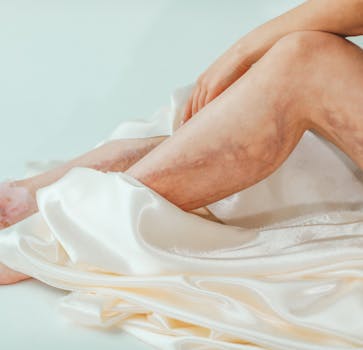
Varicose veins occur when veins become enlarged, dilated, and overfilled with blood. They often appear as swollen, raised veins that are blue or purple. Occurrence is common in the legs due to pressure from walking and standing.
In your 30s, risk factors such as genetics, pregnancy, or prolonged standing may contribute to their development. Seeking remedies early can prevent complications and improve your quality of life, allowing you to engage fully in various activities without discomfort.
Causes and Risk Factors
Numerous factors may increase the likelihood of developing varicose veins at this age. Heredity plays a significant role, as family history of vein issues raises your risk. Hormonal changes during pregnancy or from birth control pills can also contribute.
Occupations requiring long hours of standing, like nursing or teaching, add pressure on leg veins. Furthermore, lifestyle choices, including obesity and lack of exercise, may exacerbate the condition.
Lifestyle Changes to Manage Symptoms
Implementing certain lifestyle changes can help alleviate discomfort and prevent worsening of varicose veins. Regular exercise, especially activities like walking or cycling, boosts circulation and vein health. Maintaining a healthy weight is vital to reduce strain on your veins.
Elevating legs at the end of the day and avoiding long periods of sitting or standing without a break can also ease symptoms. Wearing compression stockings is another commonly recommended practice for relief and support.
For those curious about body contouring options that may impact vein prominence, [understanding the cost and implications of cosmetic procedures](http://wellnesshq.net/skin-care-beauty/how-much-does-tummy-tuck-orlando-cost/) can guide informed decisions.
Medical Treatments and Options
If lifestyle modifications aren’t enough, medical treatments are available for more severe cases. Sclerotherapy involves injecting a solution directly into the vein, causing it to scar and fade over time.
For larger varicose veins, endovenous laser therapy uses heat from a laser to reduce the size of the veins. In some instances, surgery may be considered, especially if the veins cause significant pain or medical problems.
Always consult with a healthcare provider to discuss these options and determine the most suitable approach for your condition.
Prevention Tips for Varicose Veins
While some risk factors are unavoidable, certain practices may help prevent varicose veins or slow their progression. Exercise regularly to maintain strong calf muscles and good circulation.
Maintain a balanced diet rich in fiber to avoid constipation, which can indirectly pressure veins. Additionally, include vitamin C and flavonoids in your diet to help strength and elasticity in blood vessels.
Avoid wearing tight clothing that can constrict veins and limit circulation. Choosing loose, comfortable clothing supports better blood flow, reducing the severity of varicose veins.
For more detailed general health information, you can explore these topics further at Health – Wikipedia.
Varicose Vein at 30: A Manageable Condition
Managing a varicose vein at 30 may seem daunting, but with the right strategies, it can be controlled effectively. Whether you choose lifestyle changes or medical treatment, prioritizing your vein health allows you to continue enjoying an active, healthy life.
- Varicose veins are common and manageable at any age.
- Lifestyle changes and medical treatments can alleviate symptoms.
- Prevention strategies include exercise, healthy diet, and circulation-friendly clothing.
- Consult a healthcare provider for personalized advice.
- Explore comprehensive approaches for a better quality of life.
Can varicose veins lead to complications?
Yes, if left untreated, varicose veins can lead to ulcers, bleeding, and other skin conditions. Seeking early treatment can prevent these complications.
Are there natural remedies for easing varicose vein symptoms?
Elevating the legs, regular exercise, and wearing compression stockings are natural methods that may help reduce discomfort associated with varicose veins.
How can I differentiate varicose veins from other vein issues?
Varicose veins are often visibly swollen, twisted, and can be blue or purple. Consult a medical professional for an accurate diagnosis if you’re uncertain.
Is surgery necessary for all cases of varicose veins?
No, surgery is not necessary for all cases. It’s typically reserved for severe cases or when other treatments have not been successful.
Can varicose veins reoccur after treatment?
While treatment can alleviate existing varicose veins, new ones may develop over time. Continuous prevention and monitoring are essential.