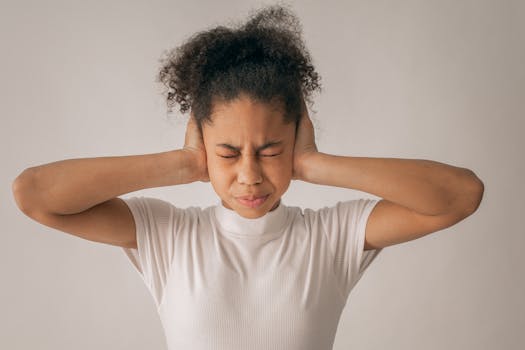
If you’ve ever experienced ear pressure and discomfort, you’re certainly not alone. Many people face this common issue, which can result from various causes including sinus congestion, altitude changes, and even airplane travel. Understanding the reasons behind ear pressure and exploring the strategies to alleviate it can help improve your comfort and overall ear health.
Understanding Ear Pressure and Its Causes
Ear pressure often occurs when there is an imbalance between the air pressure in the middle ear and the atmospheric pressure outside. This imbalance can lead to the sensation of fullness or discomfort in the ears. Several factors can contribute to this condition:
- Sinus Congestion: Sinus infections or allergies can cause mucus buildup, leading to ear pressure.
- Altitude Changes: Rapid changes in altitude, such as during flying, driving in mountainous areas, or diving, can result in ear pressure.
- Ear Infections: Infections can cause inflammation and fluid buildup, contributing to pressure.
- Eustachian Tube Dysfunction: This tube connects the middle ear to the back of the nose and throat, helping to regulate ear pressure. Dysfunction can lead to a sensation of fullness in the ear.
Effective Strategies to Relieve Ear Pressure and Discomfort
Dealing with ear pressure can be frustrating, but a variety of methods are available to alleviate this discomfort. Here are some effective strategies:
- Yawning and Swallowing: Simple acts like yawning or swallowing can help equalize pressure in your ears.
- Chewing Gum: Chewing can stimulate swallowing, which helps balance ear pressure.
- Use of Over-the-Counter Decongestants: Decongestants may help reduce sinus congestion that can cause ear pressure.
- Manage Stress and Anxiety: Sometimes, reducing anxiety, which can exacerbate physical symptoms, may help relieve ear pressure sensations.
- Warm Compress: A warm compress applied to the affected ear can promote drainage and relieve discomfort.
Professional Treatments for Persistent Ear Pressure
If home remedies do not resolve the issue, it might be time to consult a healthcare provider. Professional treatments may include:
- Ear Infections Treatment: Antibiotics or other medications might be prescribed if an infection is the underlying cause.
- Eustachian Tube Balloon Dilation: This minimally invasive procedure can help open the Eustachian tubes, equalize pressure, and reduce symptoms.
- Myringotomy: A small incision in the eardrum can relieve pressure and drain fluids from the middle ear.
Precautionary Measures to Avoid Ear Pressure and Complications
While managing ear pressure and discomfort, taking precautionary measures can help prevent future occurrences:
- Avoid Smoking: Smoking can irritate the nasal passage and worsen ear symptoms.
- Stay Hydrated: Adequate hydration helps maintain mucus dilution, reducing congestion risks.
- Protect Your Ears During Altitude Changes: Use earplugs or special filters when flying or changing altitudes rapidly.
Monitoring Symptoms and Seeking Medical Advice
It’s essential to monitor your symptoms and seek medical guidance if necessary. Persistent ear pressure accompanied by severe pain, fever, or hearing loss may indicate a more serious condition needing professional evaluation.
For more information on ear health and related topics, consider visiting credible sources like the Wikipedia Health page for a broad understanding of maintaining general health and wellness.
Understanding ear pressure and addressing it promptly can significantly improve your comfort and avoid potential complications.
- Ear pressure can be caused by sinus congestion, altitude changes, or infections.
- Effective relief methods include yawning, swallowing, and using decongestants.
- Consult healthcare professionals for persistent or severe symptoms.
- Preventive measures like staying hydrated and protecting ears during flights can help.
- Seek medical advice if experiencing severe pain, fever, or hearing loss with ear pressure.
What are common causes of ear pressure?
Common causes include sinus congestion, altitude changes, ear infections, and Eustachian tube dysfunction.
How can I relieve ear pressure naturally?
You can try yawning, swallowing, chewing gum, using warm compresses, or over-the-counter decongestants.
When should I see a doctor for ear pressure?
If you experience severe pain, fever, or hearing loss, it’s important to seek medical attention to rule out serious conditions.
Can anxiety contribute to ear pressure?
Anxiety can amplify the perception of physical symptoms, including ear pressure. Managing anxiety may help alleviate some discomfort.
Is it safe to fly with ear pressure?
Flying with ear pressure is generally safe, but precautions like using earplugs and staying hydrated can help minimize discomfort and potential issues.