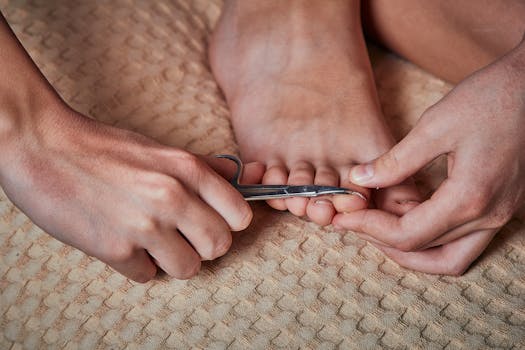
If you’re dealing with the discomfort of an ingrown toenail, you may be searching for a natural solution to alleviate the pain. One home remedy that many find effective is soaking your foot in Epsom salt. The process is simple, yet it offers the soothing relief you seek, reducing swelling and tenderness associated with ingrown toenails. Let’s explore how the ingrown toenail epsom salt method can become part of your self-care routine.
Why Use Ingrown Toenail Epsom Salt Soaks?
Epsom salt, or magnesium sulfate, is known for its ability to reduce inflammation and swelling. When used in a warm water soak, it can soften the skin around the toenail, making it easier to manage and less painful. This treatment provides a gentle way to address the symptoms of an ingrown toenail at home.
How to Prepare an Epsom Salt Soak
Creating an Epsom salt soak is simple and can be done with items you likely already have at home:
- Fill a bathtub or large basin with warm water—enough to cover your foot.
- Add about half a cup of Epsom salt to the water and stir until it dissolves.
- Submerge your foot and soak for 15 to 20 minutes.
- Gently dry your foot with a clean towel afterward.
For optimal results, repeat this process two to three times a week until the ingrown toenail improves.
Additional Tips for Ingrown Toenail Care
While Epsom salt soaks can significantly relieve swelling and pain, consider these additional tips to enhance treatment effectiveness:
- Keep your toenails trimmed straight across, avoiding rounded edges that can grow into the skin.
- Wear shoes with ample room in the toe area to prevent unnecessary pressure on your toes.
- Avoid harsh chemical treatments that can irritate or dry out your skin.
- Consult a podiatrist if the condition does not improve or if there are signs of infection such as increased redness, swelling, or pus.
Potential Benefits of Ingrown Toenail Epsom Salt Soaks
In addition to soothing pain, Epsom salt soaks may help soften the skin and nail, potentially making it easier to treat an ingrown toenail. Regular soaks may also reduce the risk of infection by maintaining cleanliness. Over time, using this method can support overall foot health, especially in conjunction with proper toenail hygiene and care.
According to a source from Health Wikipedia, Epsom salt is widely used for its health benefits, making it a popular choice in managing minor foot ailments.
When to Seek Medical Attention
While Epsom salt soaks can be an effective home remedy, they are not always a complete solution. If your ingrown toenail is persistent, causes severe pain, or shows signs of infection, it is essential to consult a healthcare professional. They can provide tailored advice or treatments that may alleviate the condition more effectively.
For more informative articles on innovative approaches to health treatments, check out our research on immunotherapy techniques.
Soaking your foot with ingrown toenail epsom salt can be a beneficial addition to your foot care routine. With consistent use, it may help ease discomfort and prevent future issues. Remember, if complications arise, seeking professional medical advice is crucial.
- Epsom salt soaks can relieve the discomfort of ingrown toenails.
- It’s important to combine soaks with proper toenail hygiene.
- Consistent use may reduce pain and prevent infection.
- Seek medical advice if symptoms persist or worsen.
- Foot care routine consistency is key for long-term health.
FAQ
What is Epsom salt?
Epsom salt is a chemical compound known as magnesium sulfate. It is used in various home remedies, known for its anti-inflammatory properties.
How often should I do an Epsom salt soak for ingrown toenails?
It is recommended to soak your foot in Epsom salt two to three times a week until there is an improvement in your symptoms.
Can Epsom salt cure an ingrown toenail?
While Epsom salt soaks can alleviate pain and inflammation, they do not cure ingrown toenails. It’s best used as part of a comprehensive care strategy.
Are there any side effects of using Epsom salt soaks?
Most people do not experience side effects from Epsom salt soaks, but some may have skin that feels dry afterward. Moisturizing after soaking can help prevent dryness.
When should I see a doctor about an ingrown toenail?
Consult a doctor if you have severe pain, your symptoms worsen, or if there are signs of infection such as pus or fever.