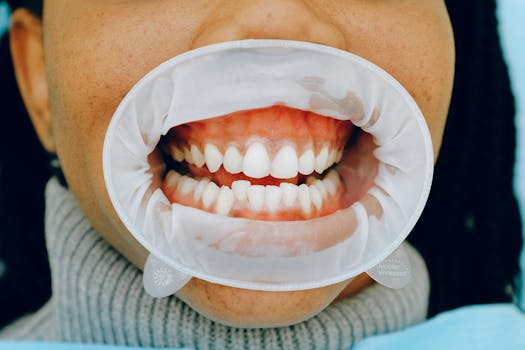
Receding gums, also known as gingival recession, is a common dental issue that can cause discomfort and affect your smile. If you’re seeking procedures for receding gums, understanding your options is an important first step in restoring your oral health. The right procedure can help prevent further damage and improve the aesthetics of your gums.
Understanding Procedures for Receding Gums
When it comes to oral health, gum recession can be a serious concern. Not only can it cause sensitivity and discomfort, but it can also expose the roots of your teeth to damage and decay. Fortunately, several procedures are available to treat receding gums effectively.
Gum Grafting
Gum grafting is a common surgical procedure used to cover exposed roots and enhance the appearance of your gums. It involves taking tissue from another part of your mouth, usually the palate, and attaching it to the affected area. This procedure helps protect the roots of your teeth and can significantly improve your smile.
Scaling and Root Planing
Scaling and root planing is a deep cleaning technique that targets the areas below the gum line to remove plaque and tartar buildup. This non-surgical procedure helps reduce gum inflammation and encourages reattachment of the gums to the teeth. Often recommended for individuals with mild gum recession, it’s an effective way to prevent further progression of the condition.
Regenerative Procedures
In some cases, dentists may recommend regenerative procedures to encourage the growth of gum tissue and bone. These may involve the use of grafts, membranes, or proteins that stimulate tissue regeneration. Regenerative treatments aim to restore the supporting structures of the teeth and enhance gum health in individuals with significant loss.
Guided Tissue Regeneration
Guided tissue regeneration involves placing a special material between the gums and bone to promote natural tissue growth. This procedure can help in regenerating lost bone and tissue, addressing both aesthetic and functional issues associated with gum recession. It’s often used in combination with other treatment options.
Pinhole Surgical Technique
This less invasive option involves a small pinhole created in the gum tissue. Through this opening, the dentist uses special instruments to loosen the gum and reposition it to cover the exposed roots. The pinhole surgical technique offers a quicker recovery time compared to traditional gum surgery.
Preventing Further Recession
Preventing further gum recession is as important as addressing existing issues. Good oral hygiene practices, such as regular brushing and flossing, can significantly reduce your risk. It’s also vital to visit your dentist regularly for check-ups and cleanings. For parents, learning how to get your child excited about brushing their teeth can set a foundation for lifelong oral health.
Deciding on the Right Procedure
Choosing the right procedure for receding gums depends on the severity of your condition and your overall oral health. Consultation with a dental professional is crucial to determine the best course of action. They will evaluate the extent of gum recession and recommend treatment options tailored to your specific needs.
Moreover, understanding the benefits and limitations of each procedure will help you make an informed decision. The goal is not only to address gum recession but also to prevent future issues and ensure a healthier, more beautiful smile.
In addition to these treatments, some individuals explore alternative therapies and home remedies to support gum health. While such methods might offer some benefit, they should complement, not replace, professional care advised by your dentist.
Research is ongoing into various treatments and approaches for dealing with receding gums, emphasizing the importance of staying informed about new developments in dental care. For more comprehensive information about gum health, you might find this resource on Health valuable.
By considering the available procedures for receding gums, and engaging with your dental care team, you can make choices that support both the health and integrity of your gums.
- Receding gums require prompt attention to prevent further dental issues.
- Gum grafting, scaling, and root planing are common procedures for treatment.
- Consultation with a dental professional is essential for personalized care.
- Preventive oral hygiene can reduce the risk of gum recession.
- Stay informed about advances in dental procedures and treatments.
What causes gum recession?
Gum recession is primarily caused by periodontal disease, aggressive tooth brushing, and inadequate oral hygiene. However, genetics, hormonal changes, and tobacco use can also play a role.
Can receding gums grow back?
Once gums have receded, they do not grow back naturally. However, certain procedures can reconstruct gum tissue and restore the appearance of the gums.
Are there any non-surgical treatments for receding gums?
Yes, non-surgical treatments like scaling and root planing can be effective in managing early stages of gum recession by removing plaque and promoting gum reattachment.
How painful are procedures for receding gums?
Pain levels vary depending on the procedure and the individual’s pain tolerance. Dentists use numbing agents and sometimes sedation to ensure comfort during the procedures.
What is the cost of treating receding gums?
The cost varies widely depending on the specific procedure, the severity of the recession, and the geographic location. Dental insurance may cover a portion of the costs, especially if the procedure is deemed medically necessary.