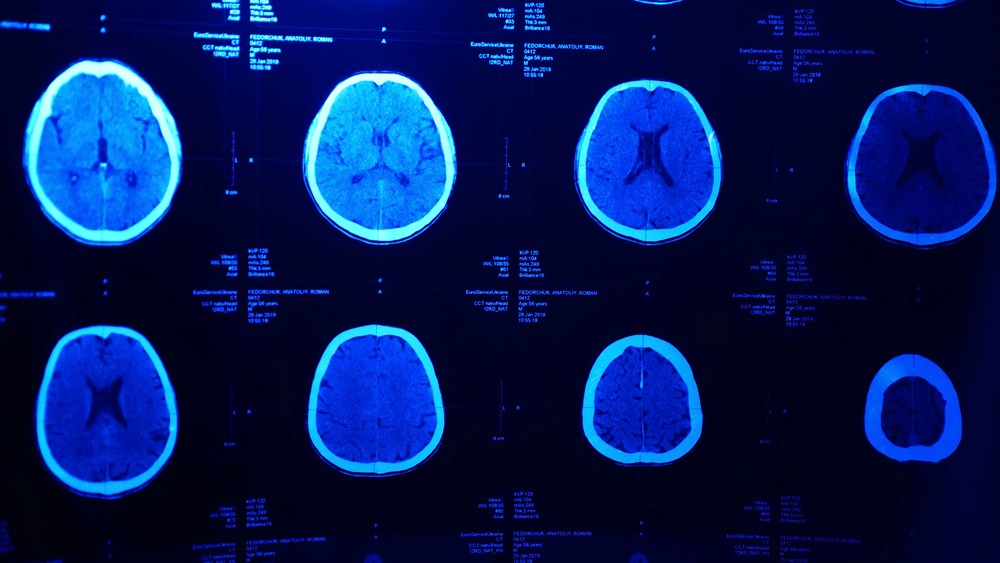
After a traumatic brain injury, the path to recovery is rarely simple. Many patients leave the hospital still needing significant support—but not the level of care provided in an acute setting. This is where sub acute rehab becomes essential.
Sub acute rehabilitation provides a structured, medically supervised environment where patients recovering from traumatic brain injuries can rebuild strength, improve cognitive function, and begin the transition back to daily life.
Why Sub Acute Rehab Is Critical After a Brain Injury
Traumatic brain injuries (TBI) affect more than just physical health. Patients may experience:
- Memory loss
- Difficulty concentrating
- Impaired coordination
- Changes in speech or behavior
These challenges require more than basic care—they require a coordinated rehabilitation approach.
Sub acute rehab bridges the gap between hospital treatment and independent living by offering consistent therapy, skilled nursing, and personalized recovery plans tailored specifically to neurological conditions like TBI.
What Makes Sub Acute Rehab Different for TBI Patients
Not all rehabilitation programs are equipped to handle the complexities of brain injury recovery. Sub acute rehab programs that focus on neurological care provide:
- Structured cognitive rehabilitation
- Physical therapy tailored to neurological recovery
- Speech and communication therapy
- Ongoing medical supervision
This combination allows patients to make steady, measurable progress in a safe and supportive environment.
A Personalized Approach to Traumatic Brain Injury Rehabilitation
Every brain injury is different. Recovery depends on the severity of the injury, the patient’s overall health, and the level of support they receive during rehabilitation.
In a high-quality sub acute rehab setting, care plans are customized to address:
- Cognitive function and memory
- Mobility and coordination
- Daily living skills
- Emotional and behavioral health
For patients and families seeking a program designed specifically for this level of recovery, exploring a dedicated sub acute rehab program focused on traumatic brain injury rehabilitation can provide the structure and expertise needed for meaningful progress.
The Role of Therapy in Brain Injury Recovery
Therapy is the foundation of sub acute rehab, especially for TBI patients.
Physical Therapy
Helps restore balance, strength, and coordination—key areas often impacted by brain injury.
Occupational Therapy
Focuses on helping patients regain independence in daily activities like dressing, cooking, and personal care.
Speech and Cognitive Therapy
Addresses communication challenges, memory issues, and problem-solving skills.
Together, these therapies support both physical and cognitive recovery, helping patients rebuild essential life skills.
A Structured Environment That Supports Healing
Consistency is critical in brain injury recovery. Sub acute rehab provides a structured daily routine that reinforces progress and builds confidence.
Patients benefit from:
- Regular therapy sessions
- Ongoing medical monitoring
- A stable, supportive environment
This structure allows patients to focus fully on recovery without the uncertainty of managing care on their own.
Skilled Nursing Care for Complex Recovery Needs
Traumatic brain injury patients often require close medical supervision. Sub acute rehab includes skilled nursing care to:
- Monitor neurological status
- Manage medications
- Prevent complications
This level of care ensures that patients receive immediate attention when needed, supporting both safety and recovery outcomes.
Preparing for Life After Rehab
The ultimate goal of sub acute rehab is to help patients return to daily life with as much independence as possible.
Before discharge, care teams work with patients and families to:
- Assess readiness for home
- Provide guidance for continued care
- Recommend ongoing therapy if needed
This transition planning is especially important for TBI patients, whose recovery may continue long after leaving the facility.
Choosing the Right Sub Acute Rehab Program
When selecting a sub acute rehab provider for traumatic brain injury recovery, it’s important to look for:
- Experience with neurological rehabilitation
- A multidisciplinary care team
- Individualized treatment plans
- A strong focus on long-term outcomes
The right program can significantly impact recovery speed, quality of life, and overall confidence moving forward.
Final Thoughts
Recovering from a traumatic brain injury requires time, expertise, and the right level of care. Sub acute rehab provides the essential bridge between hospital treatment and independent living, offering patients the support they need to heal and rebuild.
With the right rehabilitation program, patients are not just recovering—they are regaining control, rebuilding confidence, and moving forward with a stronger foundation for the future.