When considering hair restoration options, many people wonder, “Are hair plugs bad for your health?” With hair loss affecting millions, it’s natural to seek solutions that restore not just hair but confidence as well. While hair plugs have been a longstanding procedure to address thinning hair, concerns about their impact on health, effectiveness, and appearance often arise.
Are Hair Plugs Bad?
Hair plugs were once a popular choice for those experiencing hair loss. However, advancements in technology and techniques have significantly transformed the approach to hair restoration. Despite these improvements, questions remain about whether hair plugs are bad for your health.
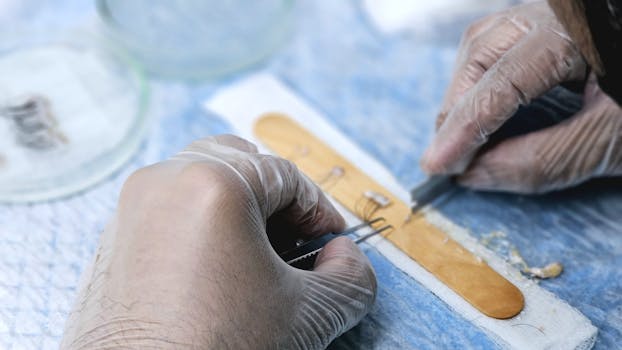
Traditionally, hair plugs involved transplanting small groups of hair follicles to thinning or bald areas. This method has evolved into more refined techniques such as follicular unit transplantation (FUT) and follicular unit extraction (FUE), which offer a more natural look and better outcomes.
Potential Risks and Side Effects
It’s essential to understand the potential risks and side effects associated with any medical procedure, including hair restoration. Some people may experience:
- Swelling or bruising of the scalp
- Infection at the site of transplantation
- Scarring or unnatural-looking hair placement
- Temporary loss of transplanted hair, known as “shock loss”
While these side effects may occur, they are usually temporary and can be managed with proper care and follow-up with a healthcare provider. Always discuss potential risks with a qualified professional before undergoing any procedure.
Benefits of Modern Hair Restoration Techniques
Modern hair transplant methods such as FUT and FUE provide several advantages over traditional hair plugs. These techniques offer:
- A more natural appearance with precise hairline design
- Minimized scarring compared to older methods
- Quicker recovery times
These advancements have made hair restoration a more appealing and viable option for many seeking to combat hair loss. To understand what a successful outcome may look like, explore whether hair plugs look natural and who can benefit from them.
Choosing the Right Practitioner
Ensuring a safe and successful hair restoration procedure largely depends on choosing a qualified and experienced practitioner. Look for a board-certified dermatologist or plastic surgeon who specializes in hair restoration. Research their experience, review previous patient outcomes, and consult multiple practitioners to find one who aligns with your expectations.
Alternative Solutions to Hair Plugs
If you’re hesitant about traditional hair plugs, other non-surgical options may support hair health. Topical treatments, such as minoxidil, and oral medications like finasteride are widely used to promote hair growth and slow hair loss. Additionally, lifestyle changes such as a balanced diet and stress management may support hair health naturally. More information about prevention and treatment options can be found on reliable sources like the Hair Transplantation Wikipedia page.
Conclusion: Evaluating the Decision
In summary, while concerns about hair plugs bad for your health are understandable, advancements in medical techniques provide safer and more effective options for hair restoration today. Whether considering surgery or alternative methods, it’s crucial to be informed and consult with healthcare providers to find the best solution tailored to your needs. As with any healthcare decision, understanding the benefits, risks, and the ever-evolving landscape of available treatments will guide you toward the most appropriate course of action.
- Hair plugs have evolved into more refined techniques.
- Modern methods offer more natural results.
- Consult qualified specialists for personalized advice.
- Understand and weigh potential risks and benefits.
- Consider non-surgical options for hair health.
FAQ
What are the primary concerns with hair plugs?
The main concerns include unnatural appearance, risks of infection and scarring, and complications from outdated methods. Modern techniques have mitigated many of these issues.
Are modern hair transplants considered safe?
Yes, when performed by qualified professionals, modern hair transplants such as FUE and FUT are considered safe and effective with minimal risks.
Can I expect a natural look with hair restoration today?
With advancements in techniques, achieving a natural look is highly possible. Careful design of the hairline and selection of the correct follicle units contribute to this.
Is there a recovery time following a hair transplant?
Most patients can return to normal activities within a week, although complete healing can take longer. Follow your healthcare provider’s specific recovery instructions.
What if I’m not ready for a surgical option?
Non-surgical treatments, like topical solutions and medications, can be effective in managing hair loss and may defer the need for surgical intervention.