Dandruff and hair loss are common concerns that many individuals face. A frequent question that arises is, can dandruff cause hair loss? While dandruff itself may not directly cause hair loss, the relationship between the two is more complex. By understanding how dandruff impacts the scalp and hair health, we can address concerns more effectively.
Understanding Dandruff and Its Causes
Dandruff occurs when the scalp sheds dead skin cells at an accelerated rate. This can be due to a variety of factors, including dry skin, an irritated oily scalp, or a condition known as seborrheic dermatitis. Other potential causes include sensitivity to hair care products or the presence of the Malassezia yeast, which lives on the scalp in most adults.
Does Dandruff Cause Hair Loss?
While dandruff itself does not directly lead to hair loss, complications arising from it might. When the itchiness associated with dandruff leads to excessive scratching, it can result in damage to hair follicles. This damage may cause temporary hair shedding. Additionally, the inflammation associated with scalp conditions like seborrheic dermatitis can sometimes contribute to hair thinning.
Can Dandruff Cause Hair Loss?
To fully answer the question, can dandruff cause hair loss?, it is essential to understand that while dandruff might not be the root cause, it can exacerbate existing conditions that lead to hair loss. For instance, persistent scratching over time can weaken hair strands, which may be mistaken for dandruff-induced hair loss.
Preventing Hair Loss Due to Dandruff
Addressing dandruff is an important step in minimizing potential hair loss. Here are a few strategies:
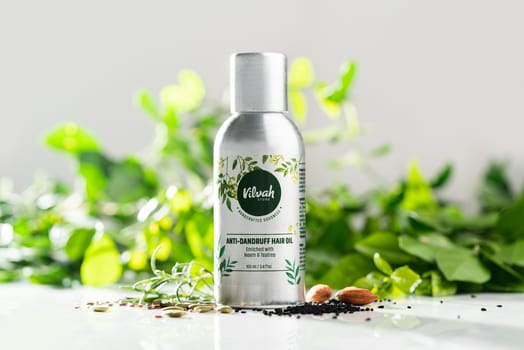
- Use Anti-Dandruff Shampoos: Look for shampoos containing zinc pyrithione, selenium sulfide, or ketoconazole. These ingredients target the fungus associated with dandruff.
- Manage Stress: High stress levels can exacerbate dandruff. Incorporate stress-reducing practices such as meditation or yoga into your routine.
- Balanced Diet: Nutrient deficiencies, especially in zinc and B vitamins, can impact scalp health. Ensure a balanced diet to maintain hair and scalp health.
Steps to Improve Scalp Health
Improving scalp health is key to reducing both dandruff and the risk of hair loss. Gentle scalp care is important, including regular cleansing to prevent the buildup of sebum and dead skin.
It is also beneficial to understand why hair might thin in the first place. Our article on why hair might be thinning provides comprehensive insights into this concern.
Treatment Options and When to See a Specialist
If standard treatments are ineffective, it might be time to consult a healthcare provider or a dermatologist. Certain prescription treatments or therapies may be necessary for more severe or persistent cases. Understanding the underlying cause is crucial for effective management.
More information on skin conditions and treatments can be found on reliable sources like the Health article on Wikipedia.
Common Myths About Dandruff and Hair Loss
- Dandruff Only Affects Dry Scalps: Both oily and dry scalps can experience dandruff.
- All Flaking is Dandruff: Other scalp conditions can cause flaking, requiring different treatments.
- Dandruff is Contagious: It is not a contagious condition but a common scalp issue.
In summary, exploring the relationship between dandruff and hair loss sheds light on the importance of scalp health. By addressing dandruff and maintaining a healthy scalp, potential hair loss can be minimized. Understanding the underlying causes and implementing appropriate scalp care routines are essential steps in managing these concerns. With this knowledge, you may better manage your scalp health and alleviate worries about hair loss related to dandruff.
- Dandruff doesn’t directly cause hair loss, but complications from it might.
- Managing dandruff involves tailored shampoos and maintaining overall scalp health.
- Addressing underlying causes is crucial for effective hair and scalp care.
- Consult healthcare professionals if standard treatments are ineffective.
- Regular care and a balanced diet are pivotal in promoting a healthy scalp.
FAQ
Can dandruff itself lead to bald spots?
No, dandruff alone is not known to cause bald spots. However, excessive scratching or an underlying skin condition can contribute to temporary hair thinning.
Are there lifestyle changes that can reduce dandruff and hair loss?
Yes, managing stress, maintaining a healthy diet, and using appropriate hair care products can help reduce dandruff and minimalize hair loss.
How often should I wash my hair if I have dandruff?
Frequency depends on individual scalp conditions, but generally, washing with an anti-dandruff shampoo two to three times a week is recommended.
Is it necessary to see a dermatologist for dandruff?
While mild cases can be managed with over-the-counter solutions, persistent or severe cases should be evaluated by a dermatologist.
Do natural remedies work for dandruff?
Some natural remedies may provide temporary relief, but they are not proven to be as effective as medical treatments. Always consult a healthcare provider for persistent issues.