
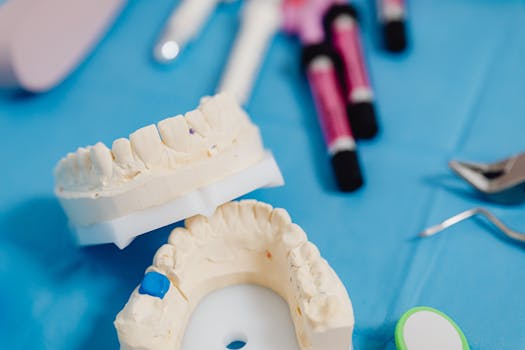
When it comes to dental restorations like crowns, choosing the right dental glue is crucial for ensuring both durability and comfort. Dental glue for crowns serves as the adhesive that holds the crown in place, keeping it secure and functional over time. Whether you’ve recently received a new crown or you’re exploring options for a replacement, understanding the different types of dental adhesive can be highly beneficial.
Understanding Dental Glue for Crowns
Dental glue, known as dental cement, is designed to bond the crown to the existing tooth structure. There are various types available, each with specific properties suited to different dental needs. Selecting the right adhesive requires considering factors such as the type of crown material, the location of the crown in your mouth, and your individual health conditions.
Types of Dental Glue
There are several types of dental glue used for crowns, each with its unique advantages and suitable applications:
- Resin Cement: This adhesive is known for its strong bonding capabilities and is often used for all-ceramic and some metal crowns. Its strong adherence provides long-term stability.
- Glass Ionomer Cement: Beneficial for its fluoride-releasing properties, this cement can help prevent further decay and is often used for crowns on back teeth where more strength is needed.
- Zinc Polycarboxylate Cement: Known for being less irritating to the pulp of the tooth, making it a good choice for sensitive mouths.
- Zinc Phosphate Cement: This traditional choice offers high strength and longevity, making it suitable for metal-based crowns.
Factors to Consider When Choosing Dental Glue
When selecting dental glue for crowns, several factors should be considered:
- Material Compatibility: The adhesive must be compatible with both the crown material and the tooth it adheres to. Some glues work better with ceramic, while others are designed for metal or composite crowns.
- Location of the Crown: Crowns that are placed on molars may require a stronger adhesive to withstand the pressure from chewing.
- Sensitivity and Health Conditions: Individuals with sensitivity or specific dental health conditions should choose glues that minimize irritation and are fluoride-releasing for added protection against decay.
Application Process
The process of applying dental glue involves several steps, carefully executed by a dental professional:
- The dentist prepares the tooth surface and the inner surface of the crown.
- The chosen dental adhesive is then applied to the crown.
- The crown is placed onto the tooth and carefully adjusted to ensure proper alignment and comfort.
- Excess cement is removed, and the glue is allowed to set, securing the crown in place.
The Role of Dental Glue in Crowns’ Longevity
Properly applied, the right dental glue can significantly contribute to the longevity of your crown. It provides a stable bond that withstands the forces of biting and chewing, preventing the crown from becoming loose or dislodging over time.
For more information on other dental restoration options, explore understanding different types of dental implants.
Care and Maintenance
To ensure the longevity of your crown, regular dental check-ups and proper at-home care are necessary. Using a soft-bristled toothbrush, avoiding hard foods, and wearing a protective guard during sports can prevent damage to both the crown and the adhesive bond.
Conclusion: Secure Your Smile with the Right Dental Glue for Crowns
Choosing the right dental glue for crowns not only supports the integrity of the crown but also contributes to your overall dental health. By understanding the types of adhesives available and considering your specific needs, you can ensure your dental restorations last as long as intended. As always, consult with your dentist for the most suitable options tailored to your individual health requirements. For further detail on dental health topics, consider visiting Wikipedia’s health information.
- Understand the types of dental glue to choose the most appropriate one.
- Consult your dentist to tailor the choice according to your dental health needs.
- Proper application and care can increase the longevity of your crown.
- Consider regular check-ups to maintain the health of your crowns.
- Explore additional dental solutions if needed for comprehensive care.
FAQs
What is dental glue for crowns made of?
Dental glue for crowns typically consists of compounds like resins, glass ionomer, or zinc-based ingredients designed to bond dental restorations securely to your teeth.
How long does dental glue for crowns last?
While the longevity of dental glue can vary depending on the type and application, it generally lasts several years. Regular dental check-ups help ensure its durability.
Can I fix a loose crown at home?
It’s best to see a professional if your crown becomes loose. Temporary fixes can be applied with over-the-counter dental adhesive, but a dentist should address the issue to prevent complications.
Does dental glue contain fluoride?
Some dental glues, such as glass ionomer cements, release fluoride, which can help in preventing further decay at the crown’s edge.
Are there any risks associated with dental glue?
Generally safe, dental glue may occasionally cause sensitivity or allergic reactions in some individuals. It is important to discuss any known allergies with your dentist before application.
