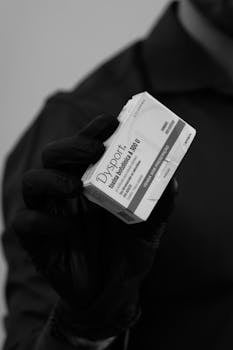
Dysport, a popular cosmetic treatment, has gained substantial attention for its effectiveness in reducing facial wrinkles. For those curious, what is Dysport used for? Primarily, Dysport is used to address moderate to severe frown lines between the eyebrows in adults. It also serves both cosmetic and therapeutic purposes, similar to other botulinum toxin products. Understanding Dysport’s use cases, mechanism, and potential benefits can help individuals determine if it’s the right choice for their needs.
What is Dysport Used For?
Dysport is primarily injected to smooth out facial wrinkles, specifically glabellar lines, which run between the eyebrows. The procedure involves injecting small amounts into targeted muscles, effectively relaxing them to soften lines and wrinkles. This treatment is especially popular for those seeking a non-surgical approach to a youthful appearance.
Beyond Cosmetic Use
Dysport’s applications extend beyond aesthetics. In medical contexts, it can be used to manage various muscular conditions. For instance, Dysport is employed to treat cervical dystonia, a condition characterized by involuntary muscle contractions that cause neck pain and abnormal head positioning.
How Does Dysport Work?
Much like Botox, Dysport operates by blocking the communication between nerves and muscles. The active ingredient, botulinum toxin type A, temporarily inhibits nerve signals, which reduces muscle activity and prevents wrinkles from forming. Those interested in further details may refer to our comprehensive article on how Botox works on forehead wrinkles.
Why Choose Dysport?
People choose Dysport for several reasons, including its fast-acting nature and natural-looking results. Patients often report seeing improvements within 24 hours, with full effects visible by the second week. The results tend to last about three to four months, setting it apart for those wanting quick and noticeable changes without the permanence of surgical alternatives.
Possible Side Effects
While generally well-tolerated, Dysport does have potential side effects. Common reactions include mild pain at the injection site, headaches, or temporary drooping of eyelids. As with any medical treatment, discussing potential risks with a healthcare provider is crucial to making an informed decision.
Who Should Consider Dysport?
Candidates for Dysport include adults under 65 who desire an effective solution for facial wrinkles. It is also suitable for individuals with medical conditions like cervical dystonia, upon consultation and prescription from a qualified healthcare professional.
Comparing Dysport and Botox
Dysport and Botox are often compared because of their similar compositions and uses. The main differences lie in their molecular structures and spread. Dysport may diffuse more, covering a broader area, which can be advantageous in certain treatments. The decision between Dysport and other treatments should involve a discussion with a practitioner experienced in both products.
Overall, “what is Dysport used for” extends beyond merely cosmetic enhancements. It offers both beauty and therapeutic benefits, making it a versatile option for varied needs. Dysport’s fast action and effective results continue to make it a popular choice not only for aesthetic improvements but also in managing specific medical conditions.
For further reading about health interventions and therapies, consider visiting this valuable resource on Wikipedia.
- Dysport is mainly used for reducing facial wrinkles and treating certain muscular conditions.
- It acts by relaxing targeted muscles, which softens lines and wrinkles.
- Effects of Dysport can be seen within 24 hours, lasting three to four months on average.
- Discuss with a healthcare provider to understand possible side effects and tailor treatment to individual needs.
- Comparison between Dysport and Botox often depends on treatment areas and desired outcomes.
FAQs
Is Dysport safe?
Yes, Dysport is considered safe when administered by a trained healthcare professional. It is FDA-approved for cosmetic and therapeutic use.
How long does a Dysport treatment session take?
A Dysport session often takes less than 20 minutes, making it a convenient option for those with busy schedules.
Can I return to work after Dysport treatment?
Most people can return to daily activities immediately after treatment, as the procedure requires minimal downtime.
Is Dysport suitable for all skin types?
Yes, Dysport is suitable for all skin types. However, discussing individual skin conditions with a healthcare professional is advisable.
How often should I schedule Dysport treatments?
Dysport treatments are typically scheduled every three to four months, but your provider may recommend a personalized schedule based on your needs.