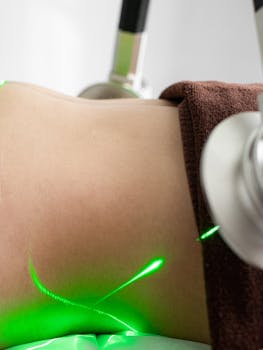
Liposuction on tummy has become a popular choice for individuals seeking to enhance their body contour and achieve a flatter abdominal area. This cosmetic procedure targets excess fat deposits resistant to diet and exercise, providing a tailored solution for body transformation. As interest in body contouring rises, understanding the nuances of tummy liposuction is essential for making informed decisions about your health and aesthetic goals.
What is Liposuction on Tummy?
Liposuction on tummy, or abdominal liposuction, is a surgical procedure that removes unwanted fat from the abdominal area using a suction technique. This procedure is typically performed by a qualified plastic surgeon and can be customized to each patient’s needs, whether the goal is reducing upper, lower, or entire abdominal fat. It is important to note that liposuction is not a weight-loss procedure but a contouring method that may support overall health goals.
Benefits of Tummy Liposuction
The benefits of liposuction on the tummy extend beyond aesthetics, potentially impacting overall well-being and confidence. Here are some of the key benefits:
- Improved Body Contour: One of the primary benefits is achieving a more defined abdomen, enhancing the body’s silhouette.
- Boost in Confidence: A flatter abdomen can lead to increased self-esteem and positivity in personal and social situations.
- Permanent Fat Reduction: Once fat cells are removed, they do not regenerate, offering long-term results if a stable weight is maintained.
- Complementary to Healthy Lifestyle: Encourages individuals to maintain healthy lifestyle habits post-procedure for optimal results.
Understanding the Procedure
The tummy liposuction procedure typically starts with a consultation to discuss goals, evaluate health status, and create a personalized plan. On the day of the surgery, the surgeon will make small incisions in inconspicuous areas, through which a cannula is inserted to remove fat deposits. Local or general anesthesia is used, depending on the extent of the procedure and patient preference.
Recovery time varies, but most individuals can expect to resume normal activities within a few weeks. It’s essential to follow post-operative care instructions to ensure optimal healing and result longevity. Visit our expert tips on liposuction and BBL for further advice.
Who is a Good Candidate?
Good candidates for liposuction on the tummy generally include individuals who are:
- In good overall health with no life-threatening conditions that could impair healing.
- Maintaining a stable, healthy weight but struggling with localized fat deposits.
- Non-smokers or willing to quit before and after surgery to improve recovery and outcomes.
It’s crucial that individuals have realistic expectations and understand both the possibilities and limitations of the procedure. A thorough consultation with a board-certified plastic surgeon can help in determining candidacy.
Risks and Considerations
As with any surgical procedure, tummy liposuction carries some risks, including infection, bleeding, and reactions to anesthesia. Patients may also experience temporary swelling, bruising, or skin irregularities post-procedure. Understanding these risks and discussing them with a healthcare provider can help in making an informed decision. The American Society of Plastic Surgeons provides comprehensive resources on the surgical process and potential risks. For more detailed information, you can also refer to the Health information page on Wikipedia.
Maximizing Results
To maximize the results of liposuction on the tummy, maintaining a balanced diet, engaging in regular physical activity, and avoiding significant weight fluctuations are recommended. These lifestyle factors can support long-term results and overall health.
Proper post-operative care, including wearing compression garments and attending follow-up appointments, contributes significantly to achieving desired outcomes. Consulting with a healthcare professional for tailored advice is always advisable.
Liposuction on Tummy: Is It Right for You?
Deciding to undergo liposuction on the tummy is a highly personal choice, influenced by individual goals and health considerations. By weighing the benefits, risks, and aftercare commitments, you can make an informed decision that aligns with your aesthetic aspirations. Always consult with a qualified professional to explore your options and tailor the procedure to your unique needs.
- Liposuction removes fat, not weight, for contouring.
- A good candidate is healthy with stable weight and localized fat.
- The procedure involves small incisions and fat suctioning.
- Recovery includes downtime and post-operative care commitments.
- Maintaining results requires diet, exercise, and lifestyle adjustments.
Is liposuction on the tummy painful?
During the procedure, anesthesia is used to prevent pain. Some discomfort and soreness may occur during recovery, which can be managed with prescribed pain relief.
How long do the results last?
The results of tummy liposuction are generally long-lasting, provided you maintain a stable weight and healthy lifestyle. The removed fat cells do not regenerate.
When can I return to work post-surgery?
Most individuals can return to light work and activities within a week or two, but this depends on the extent of the procedure and the patient’s healing process.
Are there non-surgical alternatives to tummy liposuction?
Yes, non-surgical fat reduction options like cryolipolysis or ultrasound therapy may offer benefits, though they typically provide less dramatic results than surgical liposuction.
What is the cost of liposuction on the tummy?
The cost varies based on factors like the surgeon’s experience, geographical location, and the complexity of the procedure. During the consultation, the surgeon can provide an estimate tailored to your objectives.