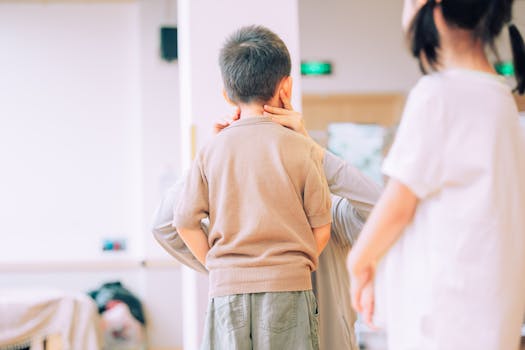
Rooming in hospital settings is an increasingly popular approach, allowing parents to stay with their children during hospital stays. This practice is designed to enhance the bond between families and improve the overall experience for both the patient and their loved ones. By offering a more comfortable and supportive environment, rooming in hospital policies can facilitate better emotional and psychological outcomes for young patients.
The Benefits of Rooming In Hospital
One of the key advantages of rooming in hospital is the strengthened family bond it fosters. When parents can stay with their children, it provides a sense of normalcy and security, reducing the child’s anxiety related to being in an unfamiliar environment. Additionally, the presence of loved ones can contribute positively to the healing process, offering emotional support and comfort.
From a healthcare perspective, having family members present allows for consistent communication and ensures that the patient’s needs are promptly addressed. This approach can potentially lead to enhanced patient satisfaction and, in some cases, quicker recovery times.
How Rooming In Works
Rooming in hospital policies can vary depending on the institution. Generally, hospitals provide a comfortable chair or a convertible bed for family members to sleep on next to the patient’s bed. Many hospitals also offer amenities such as Wi-Fi, meals, and facilities to accommodate extended stays.
In neonatal and pediatric care units, rooming in has become standard practice. Parents are encouraged to participate in their baby’s care, which promotes bonding and empowers caregivers with confidence in managing their child’s health.
Challenges of Rooming In Hospital
While rooming in offers numerous benefits, it’s important to acknowledge the challenges it may bring. For some parents, staying in the hospital can be physically and emotionally taxing. The constant presence, worry, and responsibility can lead to fatigue. Therefore, hospitals often provide resources such as counseling and support groups to help families cope with the stress associated with a hospital stay.
Space limitations and privacy concerns are also considerations. Hospitals must balance the benefits of rooming in with the logistics of accommodating multiple family members in a clinical setting.
To learn more about how hospitals support young patients, you can explore resources on common childhood illnesses treated at urgent care centers.
Implementing Rooming In Effectively
For rooming in hospital practices to be successful, clear communication between healthcare providers and families is essential. Hospitals should provide guidelines and resources to help families take advantage of rooming in while respecting hospital protocols and other patients’ privacy.
Training staff to support families during their stay is also crucial. This training ensures that healthcare professionals are equipped to facilitate a seamless experience for the family, addressing both medical and emotional aspects of care.
Global Perspectives on Rooming In
Across the world, rooming in has been recognized as a pivotal step in improving pediatric care and family dynamics in hospitals. Organizations such as the World Health Organization emphasize the importance of family involvement in patient care, highlighting the connection between family presence and positive health outcomes.
For more information on health practices, you can refer to the comprehensive overview available at the Health page on Wikipedia.
The practice of rooming in hospital settings continues to evolve, integrating family-centered care into broader health strategies to enhance patient and family experiences.
Rooming In Hospital: A New Norm
As healthcare continues to prioritize patient-centered approaches, rooming in hospital has emerged as a beneficial model. This practice not only promotes emotional healing and family bonding but also supports the physical recovery process in young patients. Hospitals are increasingly adopting this approach, recognizing its significant value in comprehensive care. Ultimately, rooming in hospital environments offer a supportive space for families during challenging times, fostering a truly inclusive and compassionate approach to healthcare.
- Rooming in hospital enhances family bonding during hospital stays.
- It provides emotional comfort and potentially speeds up recovery.
- Challenges include privacy concerns and caregiver fatigue.
- Effective rooming requires clear communication and supportive resources.
- Globally, rooming in is recognized as a beneficial practice in pediatric care.
What is rooming in hospital?
Rooming in hospital allows family members, particularly parents, to stay with their child throughout their hospital stay, offering continuous support and comfort to the patient.
Why is rooming in beneficial for children?
It reduces anxiety and stress for the child, provides familial comfort, and improves communication between the healthcare team and the family.
Are there any drawbacks to rooming in hospital?
Challenges include potential caregiver fatigue and privacy concerns. Hospitals work to address these issues through support resources and thoughtful space management.
Is rooming in a standard practice in all hospitals?
While increasingly common, rooming in practices may vary depending on hospital policies, space availability, and the type of care unit.
How can families best prepare for rooming in at a hospital?
Families should communicate with the healthcare team to understand available resources and guidelines to make their stay as comfortable and effective as possible.