Intermittent fasting has gained popularity as a flexible and effective approach to health, but it raises common questions about what is permissible during fasting periods, particularly regarding hydration. One frequently asked question is: can you drink water during intermittent fasting? Understanding the rules surrounding water intake can make intermittent fasting easier and more effective.
Can You Drink Water During Intermittent Fasting?
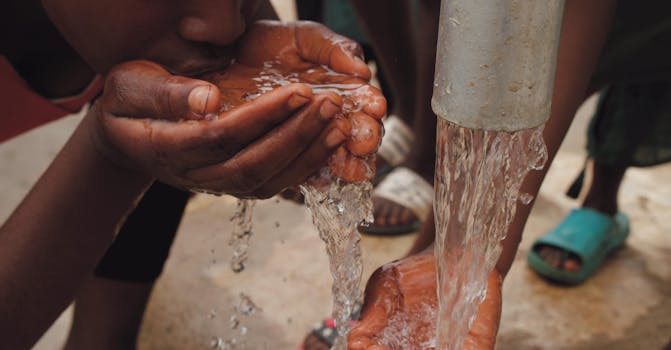
The short answer is yes, you can and should drink water during intermittent fasting. Hydration is key to maintaining your overall health and well-being, especially when fasting. Drinking water during your fasting window can help keep your body hydrated, support metabolism, and even curb hunger to some degree.
Without food, your body continues to need water for essential processes like maintaining body temperature, lubricating joints, and transporting nutrients and oxygen. Proper hydration during fasting also helps to cleanse the body, potentially reducing the sensation of fatigue and improving mental clarity.
How Much Water Should You Drink While Fasting?
The ideal amount of water intake can vary based on individual factors such as age, weight, activity level, and climate. A general recommendation is to aim for at least 8 cups (64 ounces) of water a day. However, during intermittent fasting, you may benefit from drinking even more to counterbalance the absence of water-rich foods in your diet.
Pay attention to your body’s cues, such as feelings of thirst, dry mouth, or dark urine. These can be signs that you need to increase your water intake. It’s essential to balance adequate consumption without overhydrating, which can lead to dilution of electrolytes in the body.
Benefits of Drinking Water During Fasting
Staying hydrated during intermittent fasting offers multiple benefits:
- Enhances Physical Performance: Water is crucial for maintaining energy levels and muscle function, helping you perform better during exercise.
- Improves Mental Function: Adequate hydration supports brain function, assisting in clearer thinking and concentration.
- Supports Weight Loss: Water can promote a sense of fullness, thereby reducing calorie intake when it’s time to eat.
- Detoxifies the Body: Water helps the body naturally flush out toxins through urine and sweat.
Can You Drink Other Beverages?
Besides water, certain other beverages are considered acceptable during fasting. Black coffee, unsweetened tea, and herbal infusions can typically be consumed without breaking your fast, as long as they’re free from sugars, milk, or creamers.
These beverages can provide a welcome variety and, in the case of coffee, may also offer additional metabolic benefits like improved alertness and fat oxidation. However, remember that individual responses to caffeine can vary, so moderation is key.
For more information on dietary adjustments during fasting, you may find our article on strategies to maintain stable blood sugar levels helpful.
Hydration Strategies to Enhance Fasting
Consider these strategies to ensure you remain well-hydrated during fasting periods:
- Start and End Your Day with Water: Drink a glass of water first thing in the morning and one before bed.
- Calculate Your Needs: Understand your daily hydration requirements based on your activity and environment.
- Choose Mineral Water: Opt for mineral or electrolyte-enhanced water to balance any loss of essential minerals.
- Listen to Your Body: Respond to thirst cues promptly to prevent dehydration.
Precautions and Considerations
Although water intake is generally beneficial, be mindful if you have certain health conditions like kidney problems or heart failure, where fluid intake may require closer management. Always consult with healthcare professionals before making significant changes to your diet or fasting routine.
Drinking water during intermittent fasting can not only maintain your hydration levels but may also enhance the benefits associated with fasting. As always, individual results and experiences can vary.
Frequently Asked Questions
Does drinking water during fasting break the fast?
No, drinking water does not break a fast. It is essential for keeping your body hydrated and operating efficiently.
Are there any signs of dehydration I should watch for?
Yes, common dehydration signs include dark urine, fatigue, dizziness, and an unusual feeling of thirst.
Can too much water be harmful during fasting?
Yes, drinking excessive amounts can dilute electrolytes, a condition called hyponatremia. It’s best to drink only when you’re thirsty.
What types of water are ideal during fasting?
Plain water, mineral water, and electrolyte-infused water are suitable choices to meet your hydration needs.
Can drinking water help reduce hunger while fasting?
Yes, water can sometimes help to reduce hunger pangs by creating a sense of fullness in the stomach.
- Hydration is crucial during intermittent fasting; aim for at least 64 ounces of water a day.
- Water intake supports both mental clarity and physical performance.
- Additional beverages like black coffee and tea are generally acceptable.
- Consider your activity level and environment to adjust water intake.
- Consult healthcare providers for personalized advice tailored to your health conditions.
For more general health information, consider visiting trusted sites such as this Wikipedia page on health.
In conclusion, can you drink water during intermittent fasting? Absolutely. Water intake not only keeps you hydrated but can also enhance the fasting experience by supporting bodily functions and potentially aiding weight management. As always, listen to your body and adjust your hydration strategy accordingly.