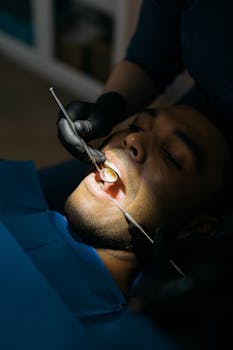
Gap teeth, also known as diastema, are spaces or gaps between two teeth in your mouth. These gaps, often seen between the two upper front teeth, are common and can be due to several factors. Many people with gap teeth embrace them as a unique feature of their smile, celebrating diversity and the beauty of individual differences. Understanding the causes, perceptions, and care of gap teeth can help in appreciating their unique appeal.
The Significance of Gap Teeth
Gap teeth have historically been viewed with mixed opinions across different cultures and times. In some societies, a gap tooth is seen as a sign of beauty and good fortune. In others, it might be perceived as an imperfection. However, in recent years, there has been a growing trend of embracing natural beauty, including gap teeth. This trend is supported by public figures and celebrities who proudly feature their gap-toothed smiles.
Medically, gap teeth may occur due to factors such as genetic predisposition, mismatch in the size of the jaw and teeth, habits like thumb sucking during childhood, or the loss of primary teeth. In most cases, gap teeth are harmless and not indicative of any underlying health issues.
Common Causes of Gap Teeth
- Genetics: Often, gaps are hereditary, following the family traits.
- Size Discrepancy: Disproportion between jaw size and teeth size can lead to gaps.
- Thumb Sucking: In children, this habit can push teeth forward, creating gaps.
- Missing Teeth: Sometimes, a missing tooth can lead to gapping.
Addressing gap teeth is mostly an aesthetic choice rather than a medical necessity. However, if the gaps are causing bite issues, discomfort, or other dental concerns, consulting a dental professional is recommended.
Cultural Views and Acceptance of Gap Teeth
As society embraces diversity, gap teeth have come to be seen as a statement of individuality rather than an anomaly. Across various cultures, gap-tooth smiles are associated with beauty, wisdom, and even wealth. This positive embrace is further highlighted by the confidence of individuals publicly celebrating their unique smiles.
With rising awareness about self-love and body positivity, people are less inclined to alter their natural features, leading to increased acceptance and appreciation of gap teeth as an integral part of one’s identity.
Caring for Gap Teeth
Proper dental hygiene is crucial for maintaining healthy gums and teeth, especially if you have gap teeth. Important steps include brushing twice a day, flossing daily, and regular dental check-ups. For creative ways to engage children in dental health, you might explore fun dental hygiene techniques for kids.
Regular visits to the dentist can help in early detection of any dental issues, and ensure your gap teeth remain healthy and strong. Whitening toothpaste can be used to enhance the brightness of your smile, accentuating the natural allure of gap teeth.
Orthodontic Treatment for Gap Teeth
For those considering altering the appearance of their gap teeth, orthodontic treatments are available. Options include braces, clear aligners, or veneers, which can adjust the spacing between teeth. It’s essential to discuss the benefits and potential risks of such treatments with an orthodontist to determine the best course of action tailored to your needs.
These treatments not only serve to adjust the aesthetics of gap teeth but may also aid in correcting bite alignment and improving oral health.
Conclusion
Gap teeth are one of many delightful variations that make smiles unique. Embracing your gap teeth can boost self-confidence and promote the beauty of diversity. While some may choose to seek cosmetic procedures, many opt to leave them untouched, celebrating the individuality they bring. Whatever your choice, understanding the importance of dental health alongside personal preferences plays a crucial role in embracing your smile.
For more detailed information about oral health, you can visit Wikipedia’s dental health resource.
- Gap teeth, also known as diastema, are natural spaces between the teeth.
- They are often hereditary and may have cultural significance.
- Proper dental hygiene is crucial for maintaining healthy gap teeth.
- Orthodontic options are available for those seeking to alter their appearance.
- Embracing your smile promotes confidence and diversity.
What causes gap teeth?
Gap teeth can be caused by genetic factors, mismatch in jaw and teeth size, habits such as thumb sucking, or missing teeth. It’s important to identify the underlying reasons if there are functional concerns.
Are gap teeth a sign of any dental issues?
Generally, gap teeth are not indicative of dental problems unless accompanied by bite issues or gum disease. Regular dental check-ups are recommended to monitor oral health.
Can gap teeth be closed without braces?
Yes, alternatives like clear aligners, veneers, or bonding options exist. Consultation with a dental professional can provide tailored advice based on individual needs.
Do gap teeth require special dental care?
Gap teeth do not require special care beyond good dental hygiene practices, including brushing, flossing, and regular dental visits.
Are gap teeth seen as attractive?
Attractiveness is subjective, and many see gap teeth as a feature of beauty and personality, appreciated and accentuated in various cultures worldwide.