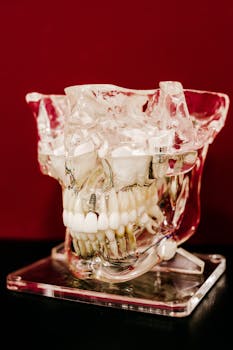
Ensuring proper alignment of the chin and jaw is crucial for both aesthetic appeal and overall health. Misalignment can lead to various problems, including speech difficulties, facial pain, and even challenges with daily activities like chewing. In this article, we’ll explore why maintaining a balanced alignment is essential, how it affects different aspects of your life, and ways to address related concerns.
The Role of Chin and Jaw Alignment in Health
The chin and jaw contribute significantly to your facial structure. Their alignment influences not only the shape of your face but also how you speak, breathe, and chew. Misalignment can lead to temporomandibular joint (TMJ) disorders, resulting in pain and dysfunction. By focusing on alignment, you support both function and appearance.
Causes of Misalignment
Various factors contribute to chin and jaw misalignment. Genetic predisposition plays a role, as does developmental habits like thumb sucking in childhood. Injuries or chronic conditions can also alter the alignment, necessitating professional evaluation to determine the best course of action for correction.
Symptoms to Watch For
Symptoms of a misaligned chin and jaw can vary. Common signs include jaw pain, headaches, and difficulty chewing. Some individuals may experience earaches, dizziness, or even shoulder pain. Recognizing these symptoms early can lead to faster intervention and relief.
Treatment Options
Treatment for chin and jaw misalignment varies based on severity. Orthodontic solutions such as braces or Invisalign are popular for addressing dental causes. For severe cases, surgical options might be considered. Consulting with a healthcare professional can offer insight into the most suitable treatment.
Exercises and Lifestyle Adjustments
Exercises can help improve jaw alignment. Regular practice of targeted movements can strengthen muscles and support realignment. Additionally, avoiding hard foods and practicing good posture can minimize strain and promote better health.
Integrating Chin and Jaw Care into Daily Life
Proper care of your chin and jaw involves attention to daily routines. Simple steps like maintaining good oral hygiene and managing stress can have a positive impact. Also, being mindful of posture while working or sleeping supports alignment and reduces discomfort.
For further insights on cosmetic interventions that might blend aesthetic goals with alignment improvement, explore our expert tips on chin injections.
When to Seek Professional Help
While many alignment issues can be managed with lifestyle changes, persistent symptoms require professional assessment. Experts can offer personalized solutions, including therapeutic or surgical options, to address your specific needs.
Potential Complications and Preventive Measures
If left untreated, jaw misalignment can lead to chronic problems, such as persistent pain and increased wear on the teeth. Preventive measures include regular dental check-ups, employing stress-reduction techniques, and engaging in consistent exercises.
External environments also influence jaw health. Adequate sleep, hydration, and a balanced diet support overall wellness, reducing the risk of developing chin and jaw issues. For more detailed information, visit this resource on general health.
Ensuring proper chin and jaw alignment not only enhances facial aesthetics but also supports critical bodily functions. Taking proactive measures and seeking timely advice can greatly improve quality of life. Regular check-ups and adopting healthy habits play a key role in maintaining optimal health.
- Chin and jaw alignment affects both aesthetics and functional health.
- Misalignment can cause pain, headaches, and other symptoms.
- Treatments range from lifestyle changes to professional interventions.
- Consistent care and monitoring are critical for health maintenance.
- Consulting professionals for persistent issues is essential.
What are the common causes of chin and jaw misalignment?
Common causes include genetic factors, developmental habits, injuries, and chronic conditions affecting alignment.
How can I tell if my jaw is misaligned?
Look for symptoms like jaw pain, headaches, chewing difficulties, or earaches. A professional evaluation can assist in diagnosis.
What exercises can help improve jaw alignment?
Exercises designed to strengthen jaw muscles, such as gentle stretching and posture corrections, can aid in improving alignment.
When should I seek professional help for jaw issues?
Seek help if you experience persistent pain, functional difficulties, or if lifestyle adjustments do not resolve your symptoms.
Can lifestyle changes prevent jaw complications?
Yes, maintaining good posture, reducing stress, and regular oral hygiene can prevent complications associated with misalignment.