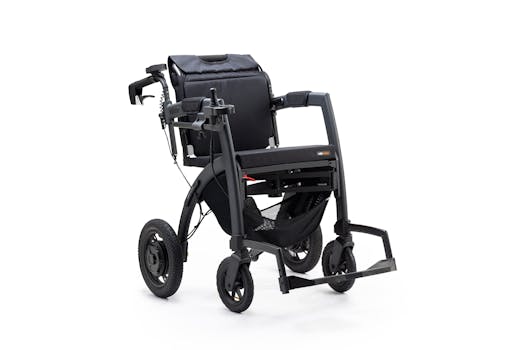
The use of a sit to stand lift can significantly enhance mobility and promote independence for individuals experiencing difficulty with transitioning from sitting to standing positions. This device is especially beneficial for seniors and those with physical limitations, providing a safer and more comfortable way to move around with less assistance. In this article, we will delve into the benefits, functionalities, and considerations to keep in mind when using a sit to stand lift.
The Benefits of Using a Sit to Stand Lift
Sit to stand lifts are designed to provide support and reduce the strain on the body during transitions. They are particularly advantageous for individuals recovering from surgery, those with degenerative diseases, or aging seniors. By using a sit to stand lift, users can maintain a sense of independence while caregivers can ensure safer handling.
These devices can also help prevent falls that might occur during manual transfers, a significant concern given that falls are a leading cause of injury among older adults. The lift supports not only the physical health of users but also their mental well-being by enabling them to perform daily activities more confidently.
Choosing the Right Sit to Stand Lift
When selecting a sit to stand lift, it’s important to consider various factors to ensure suitability and safety. These include the device’s weight capacity, size, and the specific needs of the user. Some models come with additional features such as adjustable knee pads or digital displays that can enhance user comfort and ease of use.
Consulting with a healthcare professional can be crucial in choosing the most appropriate lift. They can provide guidance based on individual health needs and mobility challenges. Additionally, some lifts are designed for home use, while others are more suitable for clinical settings, each with their own operational complexities and maintenance requirements.
How Sit to Stand Lifts Work
Sit to stand lifts typically consist of a sturdy base on wheels, a support frame, and a lifting mechanism powered by either manual or battery-operated means. The user is assisted to a standing position by grasping the handles while resting their feet on a platform. A harness or sling supports the body during the transition, allowing for a smooth and gradual movement to a standing position.
The control systems for these lifts can range from simple, push-button operations to more advanced models with remote controls or programmable settings. These features cater to a wide range of user capabilities, ensuring that each individual can find a device that meets their needs efficiently.
Ensuring Safety and Comfort
While sit to stand lifts offer substantial benefits, safety remains a paramount consideration. Proper training in the operation of these devices is essential for both users and caregivers. This training can prevent accidents and ensure that the lifts are used efficiently and effectively.
The device’s comfort level is also crucial. Features such as padded handles and adjustable components can enhance user experience. Regular maintenance checks are necessary to ensure that all parts are functioning correctly and that there are no potential mechanical failures.
Additionally, having knowledge about the latest innovations in mobility aids can provide insights into the most suitable options. To learn more about recent advancements, read about how newer technologies are empowering senior health with innovations in mobility aids.
Managing the Cost of Mobility Aids
The cost of a sit to stand lift can be an important factor for many families. While these devices can represent a significant investment, exploring financing options or insurance coverages that may include these essential tools can make them more accessible. Some organizations offer rental programs or financial assistance to eligible individuals.
It is advisable to research and compare different models and their prices, considering both initial costs and long-term value. Durable and user-friendly models may incur higher upfront costs but could prove more economical and effective over time.
Maintaining Independence with Sit to Stand Lifts
Sit to stand lifts play a crucial role in maintaining independence for individuals facing mobility challenges. By ensuring a safe and dignified way to perform daily activities, these lifts help reduce dependency on caregivers and improve quality of life. For more comprehensive information on health and wellness topics, you can explore reputable sources such as Wikipedia’s health page.
As the need for mobility aids continues to grow, leveraging these devices represents an important step toward enhanced independence and health management. The sit to stand lift not only supports physical mobility but also fosters psychological confidence in those who use them.
- Sit to stand lifts are vital for enhancing mobility and independence.
- Key considerations include device features, weight capacity, and user needs.
- Safety training and regular maintenance ensure effective use.
- Financial options might be available to manage the costs involved.
- Consult healthcare professionals for personalized recommendations.
FAQ
What is a sit to stand lift?
A sit to stand lift is a mobility aid designed to assist individuals in moving from a seated to a standing position safely and with minimal effort.
Who can benefit from using a sit to stand lift?
These lifts are beneficial for seniors, individuals with disabilities, those recovering from surgery, and anyone with limited physical strength or mobility.
How do I choose the right sit to stand lift?
Consider factors like weight capacity, user needs, additional features, and consult with a healthcare professional to select the most appropriate model.
Are sit to stand lifts covered by insurance?
Coverage varies by provider and plan. It’s best to check with your insurance provider to determine if sit to stand lifts are covered under your policy.
What safety measures should be considered when using a sit to stand lift?
Ensure that users and caregivers are trained in device operation, conduct regular maintenance checks, and select models with safety features appropriate for the user’s needs.