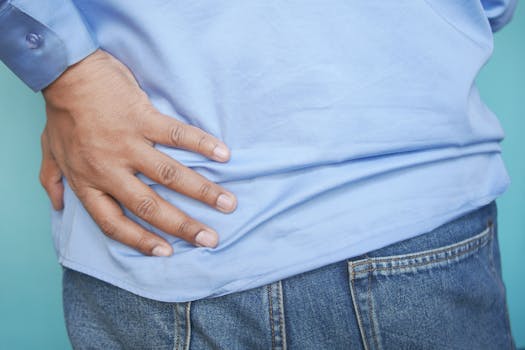
Understanding where is hip flexor pain felt can help in identifying symptoms early and managing discomfort effectively. The hip flexor muscles, a group that includes the iliopsoas, sartorius, and rectus femoris, are essential for activities such as walking, running, and bending. Pain in these muscles is common among athletes and active individuals and can significantly affect mobility.
Where is Hip Flexor Pain Felt?
Hip flexor pain is typically felt in the front of the hip and can extend into the groin area. This discomfort is often described as a sharp or pulling sensation, especially during movements that involve lifting the leg or bending at the hip. Knowing where hip flexor pain is felt can help in distinguishing it from other types of hip pain.
Common Causes of Hip Flexor Pain
Several factors can cause hip flexor pain, ranging from acute injuries to chronic conditions. Understanding the underlying cause is essential for effective treatment and prevention.
Muscle Strains
One of the most common causes of hip flexor pain is muscle strain, which occurs when there is a tear or overstretching of the muscle fibers. This often happens due to activities like sprinting or sudden changes in direction.
Tendinitis
Hip flexor tendinitis is another condition that can lead to pain. This involves inflammation of the tendons that connect the muscles to the hip joint, often due to repetitive stress and overuse.
Hip Impingement
This condition involves a structural abnormality in the hip joint that can lead to pain and decreased range of motion. Hip impingement commonly affects athletes participating in sports that require extensive hip movements, such as hockey or soccer.
Arthritis
Though less common in younger populations, arthritis can cause hip flexor pain. This condition involves inflammation and degeneration of the joint and is most prevalent among older adults. More information can be found at CDC’s arthritis page.
Symptoms Associated with Hip Flexor Pain
Recognizing symptoms early can lead to quicker diagnosis and treatment. Common symptoms associated with hip flexor pain include:
- Pain when lifting the knee towards the chest.
- Tenderness or swelling in the hip area.
- Muscle spasms in the front of the hip or groin.
- Decreased range of motion.
Effective Management and Treatment Options
Management and treatment of hip flexor pain depend on its cause, severity, and duration. Below are some widely recommended approaches:
Rest and Ice
Resting the affected area and applying ice can help reduce inflammation and alleviate pain. It is often the first line of management for acute injuries.
Physical Therapy
A tailored physical therapy program can strengthen the hip flexor muscles and improve flexibility. This approach helps prevent future injuries and is crucial for rehabilitation.
Pain Medication
Over-the-counter pain medications, such as ibuprofen or acetaminophen, may provide temporary relief. Individuals should consult with a healthcare provider before beginning any medication regimen.
Stretching and Strengthening Exercises
Incorporating specific stretching and strengthening exercises can enhance hip stability and function. Exercises should be performed under professional guidance to ensure proper technique.
Prevention Tips
Preventing hip flexor pain involves a combination of strategies suited to individual needs and activity levels.
Warm-Up Routine
Implementing a comprehensive warm-up routine before exercise can prepare the muscles and reduce the risk of strains.
Gradual Progression
When increasing exercise intensity or volume, gradual progression is key to preventing overuse injuries. Sudden changes can strain the hip flexors unnecessarily.
Proper Technique
Ensuring the use of proper technique in physical activities can help minimize the risk of injuries and maintain joint health.
For more insights into maintaining a healthy lifestyle, consider learning about how new immunotherapy techniques are revolutionizing treatment.
Understanding where is hip flexor pain felt is instrumental in identifying symptoms accurately and seeking appropriate interventions. Consult a healthcare professional for a personalized diagnosis and treatment plan to effectively manage hip flexor pain.
- Hip flexor pain is commonly felt at the front of the hip and groin.
- Common causes include muscle strains and tendinitis.
- Symptoms include pain, tenderness, and decreased motion.
- Effective treatment includes rest, ice, and physical therapy.
- Prevention involves warming up and using proper exercise techniques.
What causes hip flexor pain?
Hip flexor pain can be caused by muscle strains, tendinitis, hip impingement, and arthritis. Overuse and sudden movements are common contributors.
Where is hip flexor pain most commonly felt?
Hip flexor pain is most commonly felt at the front of the hip or in the groin area. It often presents as a sharp, pulling sensation during hip movements.
How can I prevent hip flexor pain?
Warm up properly before physical activities, progress exercise intensity gradually, and use correct techniques to prevent hip flexor pain.
What exercises can help with hip flexor pain?
Stretching and strengthening exercises can help manage hip flexor pain. A physical therapist can recommend exercises tailored to your specific needs.
Should I see a doctor for hip flexor pain?
If hip flexor pain persists or worsens, consult a healthcare provider for an accurate diagnosis and personalized treatment recommendations.