Red gingivitis is a common oral health issue that often exhibits red, inflamed gums. This inflammation can lead to discomfort and potential complications if not addressed promptly. Recognizing the symptoms early and understanding the causes are crucial steps in managing this condition effectively.
Understanding Red Gingivitis
Red gingivitis is primarily characterized by red, swollen gums that may bleed when you brush or floss. While it is a mild form of gum disease, it can progress to more severe conditions if left untreated. Contributing factors include poor oral hygiene, plaque buildup, and in some cases, hormonal changes or systemic health issues.
Symptoms to Watch For
The signs of red gingivitis are often identifiable and include:
- Red, swollen gums
- Gums that bleed easily during brushing or flossing
- Persistent bad breath
- Tender gums
Early diagnosis and treatment can prevent the progression to periodontitis, a more severe gum disease.
Causes and Risk Factors
Poor oral hygiene is the leading cause of red gingivitis. When plaque, a sticky film of bacteria, accumulates on your teeth, it can inflame the gums. Other risk factors include smoking, diabetes, aging, and certain medications. Hormonal changes during pregnancy or menstruation can also exacerbate symptoms. For more insights on health impacts, see this comprehensive overview on health.
Treatment and Prevention of Red Gingivitis
Treating red gingivitis involves both professional dental care and effective home practices. Regular visits to your dentist for professional cleanings can remove plaque and tartar buildup. At home, maintaining a routine of brushing twice daily and flossing can significantly improve gum health.
Effective Dental Care Practices
To manage and prevent red gingivitis, consider these strategies:
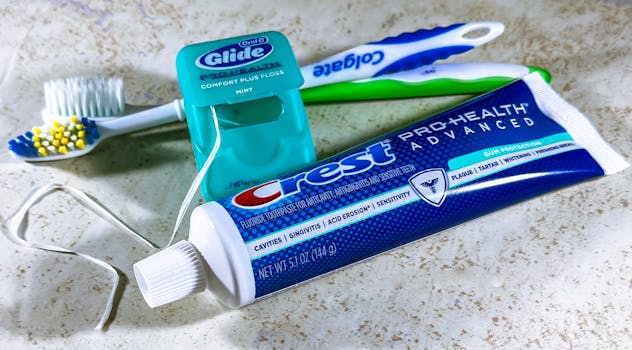
- Use a soft-bristled toothbrush and fluoride toothpaste.
- Floss daily to remove plaque between teeth.
- Rinse with an antiseptic mouthwash to reduce bacterial growth.
Alongside these practices, a diet low in sugary foods can help in reducing plaque buildup.
Professional Dental Treatments
If red gingivitis persists despite good oral hygiene, professional treatments may be necessary. These can include scaling and root planing, which are deep-cleaning procedures that remove tartar below the gumline. Dentists may also recommend antibiotics to combat severe infections.
Dietary Influence on Oral Health
While maintaining oral hygiene is paramount, diet also plays a role in preventing red gingivitis. Foods rich in vitamins C and E are known for their gum-supporting properties. A balanced diet can enhance overall oral health and help ward off inflammation.
To understand how different foods affect your health, read about the impact of red meat on wellness.
Red gingivitis, if managed properly, does not have to impede your oral health significantly. Proactive steps and professional care are keys to maintaining healthy gums. Always consult with your dentist for personalized advice and treatment options.
- Red gingivitis is a mild gum disease often caused by poor oral hygiene.
- Early symptoms include red, swollen gums and bleeding during brushing.
- Good oral hygiene and professional dental cleanings can prevent progression.
- Diet and lifestyle play significant roles in managing gum health.
- Consult a dentist for persistent symptoms or advanced care.
Frequently Asked Questions
What is the main cause of red gingivitis?
The primary cause of red gingivitis is the buildup of plaque on teeth, which leads to gum inflammation. Maintaining proper oral hygiene can prevent it.
Can red gingivitis be reversed?
Yes, with diligent oral hygiene and professional dental cleaning, red gingivitis can often be reversed before it develops into a more severe condition.
Are certain foods beneficial for preventing gingivitis?
Yes, foods rich in antioxidants, such as fruits and vegetables, and those low in sugar are beneficial for maintaining gum health and preventing gingivitis.
What are the risks if red gingivitis is left untreated?
If left untreated, red gingivitis can progress to periodontitis, a more severe gum disease that can lead to tooth loss and other health complications.
How often should I visit the dentist to prevent red gingivitis?
It is recommended to visit your dentist at least twice a year for check-ups and professional cleanings to prevent and manage red gingivitis effectively.