Living with Ehlers-Danlos Syndrome (EDS) comes with various challenges, one of which is managing EDS scars. Due to the nature of this connective tissue disorder, the skin is often more prone to scarring, and these scars can sometimes appear differently than those that occur from typical injuries. Understanding how to care for these scars can be an essential part of managing the condition and enhancing your overall well-being.
Understanding EDS Scars
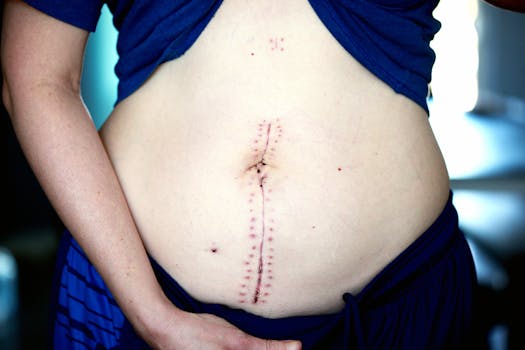
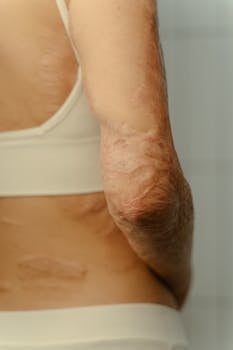
EDS scars often develop as a result of the poor healing ability associated with the condition. Individuals with Ehlers-Danlos Syndrome, particularly those with the hypermobile type (hEDS), can experience more pronounced atrophic scars. Atrophic scars are recessed scars that sit below the normal layer of skin tissue. This occurs when the body produces insufficient collagen during the healing process, a common issue for those with EDS.
The appearance of EDS scars can vary from person to person, but they are often thin, stretchable, and can become hyperpigmented or hypopigmented over time. Proper scar care can assist in improving their appearance and preventing potential complications.
Tips for Caring for EDS Scars
When managing and healing EDS scars, a consistent skin care routine is crucial. Here are some strategies that may support scar care:
- Moisturization: Keeping the skin hydrated is key. Use a gentle, fragrance-free moisturizer to maintain skin elasticity and aid in the healing process.
- Protection from Sun Exposure: UV rays can worsen the appearance of scars, leading to hyperpigmentation. Applying sunscreen with at least SPF 30 can help protect scars from sun damage.
- Gentle Massage: Regularly massaging the scar with soft circular motions may help improve blood flow and promote collagen production, reducing the appearance of the scar over time.
- Silicone Gel Sheets: These can be applied directly to the scar to reduce redness and flatten raised scars. They may be particularly helpful for atrophic scars seen in Ehlers-Danlos Syndrome.
- Considering Professional Treatments: In some cases, professional intervention such as laser therapy, microneedling, or surgical revision might be explored. Consulting with a dermatologist can provide guidance on the most appropriate treatment options for your specific case.
Supportive Treatments and Lifestyle Adjustments
In addition to direct scar care, certain lifestyle modifications and treatments may support skin health:
- Collagen Supplements: While research is ongoing, some studies suggest that collagen supplements may support skin elasticity and healing. Always consult with a healthcare provider before starting any new supplement.
- Balanced Nutrition: A diet rich in vitamins C and E, zinc, and protein can support overall skin health and healing. These nutrients play a role in the body’s natural collagen production.
- Staying Active: Gentle exercises, such as swimming or yoga, can improve circulation and contribute to better skin health. However, it’s important to tailor physical activities to your ability and comfort level.
- Avoiding Smoking: Smoking can impair healing by reducing blood flow and depleting essential nutrients. Quitting smoking may significantly improve scar healing and overall health.
The Role of Professional Guidance
While self-care strategies can be helpful, ongoing management of EDS scars often requires professional medical guidance. Dermatologists and other healthcare providers can offer advice tailored to your needs and may suggest specific therapies that align with the unique requirements of Ehlers-Danlos Syndrome patients.
If you are seeking further resources or studying the broader implications of Ehlers-Danlos Syndrome, the expansive information available in the Health section on Wikipedia can serve as a comprehensive starting point.
Remember, each individual’s experience with EDS is different, and what works for one person may not be effective for another. It is crucial to approach scar care with patience and a willingness to try multiple strategies to find what best supports your skin health.
- EDS scars can vary greatly, appearing as thin or atrophic scars.
- Moisturization, sun protection, and gentle massage may aid in scar care.
- Consider professional treatments for significant scar improvement.
- Consult healthcare providers for personalized scar management guidance.
- Balanced nutrition and lifestyle adjustments support skin health.
Can EDS scars fade over time?
While EDS scars may not completely fade, their appearance can improve with time and proper care. Techniques such as moisturizing, sun protection, and silicone gel sheets may help in reducing scar visibility.
Are there specific creams for hEDS scars?
There are various creams designed for scar care, often containing ingredients such as silicone or vitamin C. It’s advisable to consult with a healthcare provider before choosing a treatment to ensure it is suitable for your skin type and condition.
What role does collagen play in scar care for EDS patients?
Collagen is crucial for skin structure, and its deficiency may contribute to the atypical scars seen in EDS. Some suggest that collagen supplements or treatments that stimulate collagen production can assist scar healing, but consulting with a professional is key.
Can diet affect the healing of EDS scars?
A diet that supports collagen synthesis through nutrients like vitamin C, zinc, and protein may positively impact skin health and healing. It’s important to maintain a balanced diet for overall wellness and skin care.
Is professional scar treatment safe for EDS patients?
Many professional treatments, such as laser therapy or microneedling, can be safe and effective for EDS patients when performed by qualified practitioners. Always consult healthcare professionals to choose the right treatment for your condition.