Ehlers-Danlos Syndrome (EDS) is a group of connective tissue disorders that often present unique challenges, including the tendency to develop scars that require special care. If you’re managing EDS scars, understanding how to care for and potentially minimize these scars is crucial for both physical health and confidence.
Understanding EDS Scars
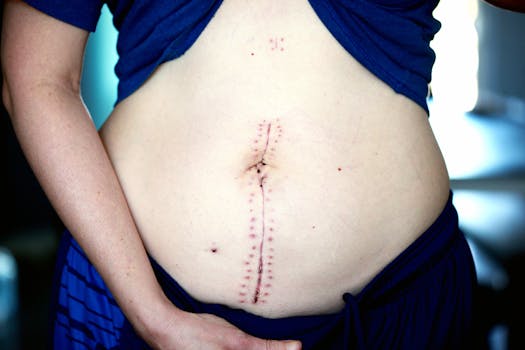
EDS scars, particularly those associated with hypermobile forms or hEDS scars, can develop differently from other types of scars. They may appear as atrophic scars, characterized by a sunken or pitted appearance. These occur because the skin’s collagen, which is crucial for healing, is deficient or structurally different in individuals with EDS.
Proper care tailored to these unique scars can improve comfort and appearance. While there is no cure for EDS, there are ways to manage and support the skin’s health through various strategies.
Skincare Strategies for EDS Scars
- Gentle Cleansing and Moisturizing: Use gentle, hypoallergenic skin care products to cleanse and hydrate. This helps maintain the skin barrier and reduce irritation.
- Sun Protection: Protecting the skin from UV radiation is essential. Use high SPF sunscreens to prevent further damage to sensitive skin.
- Silicone Gel Sheets: These may be used on scars to keep the area hydrated and potentially reduce scar prominence.
Nutritional Support for Skin Health
Although no diet can cure Ehlers-Danlos Syndrome, some nutrients may help support overall skin health. A diet rich in Vitamins C and E, zinc, and healthy fats might be beneficial, as these nutrients are important for collagen production and skin repair.
Professional Treatments
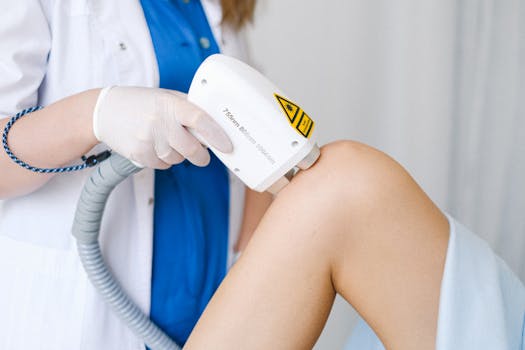
For certain scars that are particularly bothersome, professional treatment options may be available. Procedures such as laser therapy, microneedling, or scar revision surgery could be discussed with a dermatologist or a plastic surgeon. It’s important to consult with healthcare professionals who understand EDS. For more on scar treatment options, visit this expert tips article.
Emotional and Psychological Considerations
Living with EDS and its effects on the skin can take an emotional toll. Support groups and psychological counseling might help individuals cope with the emotional aspects of their scarring. Connecting with others who have Ehlers-Danlos Syndrome can provide a sense of community and understanding.
Adapting to Living with EDS Scars
Managing EDS scars requires a comprehensive approach that involves proper skincare, nutritional support, and professional treatments when necessary. Remember, every person’s skin is unique, and what works for one individual may not work for another. For more information about skin health, you might find this Wikipedia article helpful.
- Gentle skincare and sun protection can help with EDS scars.
- Silicone sheets and specific nutrients may support scar healing.
- Professional treatments are available for challenging scars.
- Emotional support and counseling can be beneficial.
- Consult healthcare professionals who are knowledgeable about EDS.
What is Ehlers-Danlos Syndrome?
Ehlers-Danlos Syndrome (EDS) is a group of genetic disorders affecting connective tissues, which provide support in skin, bones, blood vessels, and other organs.
How does EDS affect skin and scarring?
People with EDS often experience more fragile skin which can lead to unique scarring such as atrophic scars. The skin’s reduced ability to produce normal collagen contributes to these challenges.
Can diet really help with EDS scar management?
While diet cannot change the genetic basis of EDS, foods rich in collagen-boosting nutrients like Vitamin C and zinc can support general skin health.
Is there a cure for EDS scars?
Currently, there is no cure for EDS scars. Management focuses on skincare, lifestyle adjustments, and professional treatments tailored to individual needs.
Where can I find community support for EDS?
Many organizations and online communities offer support for EDS patients and their families. These can provide valuable resources and peer support.