With the rise in interest in personal health and aesthetic appeal, many individuals are exploring the option of the minimally invasive body contouring procedure. These procedures are designed to help reshape and improve body appearance without the need for extensive surgery or recovery time. If you’re curious about the various options available in this field, read on to discover the benefits, risks, and the different methods of minimally invasive body contouring.
Understanding Minimally Invasive Body Contouring Procedures
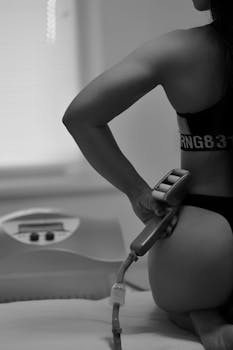
Minimally invasive body contouring procedures are designed to target stubborn fat and skin laxity with the least amount of surgical intrusion possible. Unlike traditional surgery, these procedures often involve small incisions and specialized equipment to achieve the desired outcome. This can include the use of lasers, ultrasound, and radiofrequency technologies to melt fat and tighten skin.
One of the appealing aspects of these procedures is the reduced recovery time compared to traditional surgery. Patients can often return to their normal activities within days rather than weeks. This makes them an attractive option for those seeking effective results without the downtime associated with more invasive surgery.
Popular Minimally Invasive Body Contouring Techniques
There are several minimally invasive body contouring techniques available, each offering unique benefits. These include:
- Liposuction-Assisted Techniques: A popular option that uses suction to remove fat through small incisions. Variants like laser-assisted liposuction use laser energy to liquefy fat before removal, enhancing precision and recovery.
- CoolSculpting: Also known as cryolipolysis, this technique freezes fat cells, which are then naturally eliminated by the body. It’s particularly effective for targeting areas like the abdomen or thighs.
- Radiofrequency Treatments: Using heat to contour and tighten the skin while reducing fat, this technology is non-invasive and can be done quickly without significant downtime.
The Benefits of Minimally Invasive Procedures
Aside from reduced recovery times, minimally invasive body contouring procedures offer various other benefits. Scarring is usually minimal, and the techniques can be performed in an outpatient setting, leading to decreased costs. These procedures often result in natural-looking improvements, making them an ideal choice for those wanting subtle changes.
Potential Risks and Considerations
While these procedures are less invasive than traditional surgery, they are not without their own risks. Potential side effects may include swelling, bruising, and temporary numbness. It’s important to consult with a qualified healthcare professional to discuss your goals and ensure the right treatment plan. For more information on procedure costs and financial considerations, check out our guide on body contouring surgery costs.
Choosing the Right Procedure for You
Selecting the right minimally invasive body contouring procedure depends on several factors, including your specific body goals, budget, and medical history. A thorough consultation with a specialist can help determine which procedure will achieve the best results for your needs. For more detailed insights, you might look into educational sources such as this article on Wikipedia about various cosmetic surgery options.
Ultimately, the choice of a minimally invasive body contouring procedure is a personal one. With the proper information and guidance from a knowledgeable healthcare provider, individuals can make informed decisions that align with their aesthetic desires and lifestyle. Whether you’re looking to address a specific area or pursue comprehensive reshaping, these procedures may support your body transformation journey effectively.
- Minimally invasive body contouring offers effective reshaping with less downtime.
- Procedures vary, including liposuction-assisted techniques and CoolSculpting.
- Benefits include less scarring and a faster recovery.
- Consultation with a specialist is crucial for choosing the best procedure for you.
- Possible risks should be weighed and discussed with a healthcare provider.
FAQ
What is the recovery time for minimally invasive body contouring?
The recovery time varies based on the procedure but is typically much shorter than traditional surgery, often allowing patients to resume activities in a few days.
Are the results of minimally invasive procedures permanent?
Results can be long-lasting if a healthy lifestyle is maintained. However, weight gain or aging may affect the outcome over time.
Is body contouring suitable for everyone?
Not everyone is a candidate for minimally invasive procedures. A thorough assessment by a healthcare provider can determine suitability based on health and goals.
How do I choose the best procedure for my needs?
A consultation with a certified specialist is vital. They can recommend the most appropriate procedure based on your specific goals and body type.
What should I expect during a body contouring consultation?
You can expect a discussion of your aesthetic goals, a physical examination, and a recommendation for appropriate treatment options, including an explanation of risks and benefits.