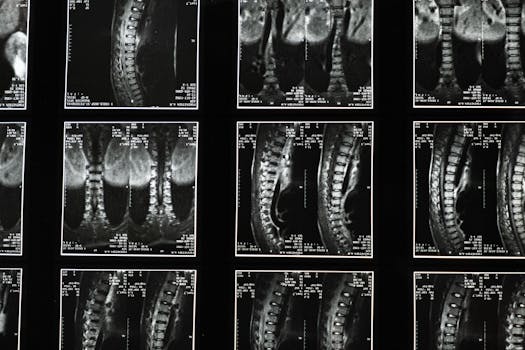
Living with grade 1 retrolisthesis, a condition where a vertebra in the spine moves backward compared to the segment below, can be challenging and uncomfortable. This minor misalignment is often less severe than other spinal issues, but it still requires attention to maintain proper spinal health. Understanding the causes, symptoms, and potential treatments can empower you to manage the condition effectively and improve your quality of life.
Understanding Grade 1 Retrolisthesis
Grade 1 retrolisthesis, being the mildest form of retrolisthesis, involves a delicate shift of the vertebrae, classified by the degree of displacement. Typically measured in millimeters, this grade is less than 25% of the vertebral width. While it might not be as severe as higher grades, it may still contribute to discomfort or potential complications over time, highlighting the importance of regular monitoring and care.
Causes and Risk Factors
Various factors can contribute to the development of grade 1 retrolisthesis. These include degenerative changes in the spine due to aging, injuries, or repetitive stress. Conditions such as arthritis or osteoporosis may also heighten the risk. Workplace environments demanding heavy lifting or improper posture over time might contribute as well.
Understanding these risk factors can assist individuals in making lifestyle adjustments to potentially mitigate the advancement of the condition. For example, ergonomic considerations in the workplace and exercising regularly to strengthen back muscles may support spinal health.
Identifying Symptoms
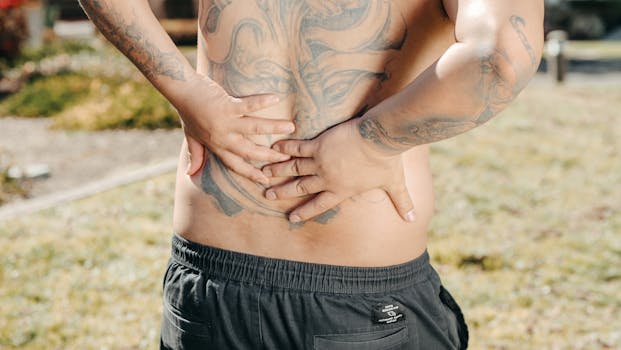
Symptoms of grade 1 retrolisthesis can vary. Some individuals may experience mild back pain, stiffness, or discomfort, especially after physical activity. Others may notice a limited range of motion or occasional muscle spasms. Because symptoms can overlap with other back issues, proper evaluation by a healthcare professional is crucial for an accurate diagnosis.
Diagnosis and Assessment
The diagnosis of grade 1 retrolisthesis typically involves a combination of medical history review, physical examinations, and imaging tests like X-rays, MRI, or CT scans. These tools help in assessing the degree of vertebral slippage and any associated structural changes in the spine. An accurate diagnosis allows for a personalized treatment approach to be developed, tailored to the individual’s specific condition and needs.
Managing Grade 1 Retrolisthesis
Management strategies for grade 1 retrolisthesis focus on alleviating symptoms and preventing progression. Here are some commonly recommended approaches:
Physical Therapy
Engaging in physical therapy can offer significant relief through exercises designed to strengthen the muscles supporting the spine. A physical therapist can develop a targeted exercise program that improves mobility, reduces pain, and enhances overall spinal stability.
Medications
Over-the-counter pain relievers or anti-inflammatory medications may provide temporary relief from pain and inflammation associated with grade 1 retrolisthesis. However, it is important to use these medications judiciously and consult a healthcare provider if symptoms persist or worsen.
Alternative Therapies
Some individuals find relief through alternative therapies such as chiropractic adjustments, acupuncture, or massage therapy. These methods focus on improving alignment and reducing tension in the back muscles. Always consult with a healthcare provider before starting any new therapy to ensure its safety and appropriateness for your condition.
Lifestyle Modifications
Making certain lifestyle changes can also help manage the symptoms of grade 1 retrolisthesis. Maintaining a healthy weight reduces stress on the spine, while practices like yoga or pilates can enhance flexibility and core strength. Paying attention to posture and using supportive furniture can further alleviate strain on the back.
For further reading on managing chronic conditions and maintaining overall wellness, you might explore related topics on chronic conditions.
Seeking Professional Guidance
While home management strategies can be effective, it is crucial to engage with healthcare professionals for personalized advice. Regular follow-ups with your doctor or specialist can ensure that any changes or concerns are addressed promptly. They can also guide you on the most appropriate interventions if symptoms escalate.
For a comprehensive understanding of various health-related topics, you can also visit this extensive resource on health.
Living with grade 1 retrolisthesis involves understanding your condition and making informed decisions to support your spinal health. With the right approach, you can manage symptoms and maintain a fulfilling lifestyle.
- Grade 1 retrolisthesis is a mild form of vertebral slippage.
- Risk factors include aging, repetitive stress, and degenerative diseases.
- Symptoms may include back pain and limited range of motion.
- Treatments include physical therapy, medication, and lifestyle adjustments.
- Regular medical consultations are crucial for effective management.
Frequently Asked Questions
What is grade 1 retrolisthesis?
Grade 1 retrolisthesis is a condition where a vertebra in the spine moves slightly backward compared to the segment below it, often leading to mild discomfort or potential spinal issues.
What causes grade 1 retrolisthesis?
Common causes include degenerative changes due to aging, repetitive stress, injuries, and conditions such as arthritis or osteoporosis.
How is grade 1 retrolisthesis diagnosed?
Diagnosis typically involves a medical history review, physical exam, and imaging tests like X-rays or MRIs to assess the degree of slippage and any structural changes.
What are the treatment options for grade 1 retrolisthesis?
Treatment may involve physical therapy, medications for pain relief, alternative therapies, and lifestyle modifications to alleviate symptoms and prevent condition progression.
Should I consult a doctor for grade 1 retrolisthesis?
Yes, consulting a healthcare professional is important for an accurate diagnosis and to receive personalized advice on how to effectively manage the condition and maintain spinal health.