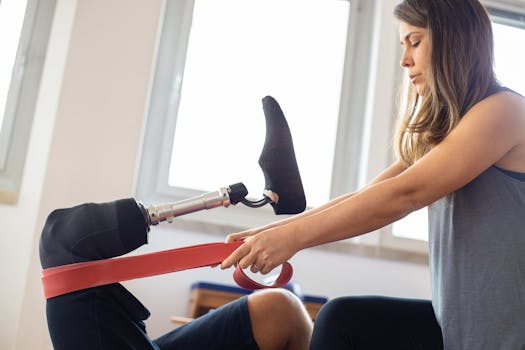
Reflex Sympathetic Dystrophy (RSD), also known as Complex Regional Pain Syndrome, presents challenging symptoms that require effective management strategies. One promising approach is reflex sympathetic dystrophy physical therapy treatment. Physical therapy can provide symptom relief and improve the quality of life for those affected by this condition. This article explores how physical therapy can help manage RSD and enhance daily functioning.
Understanding Reflex Sympathetic Dystrophy Physical Therapy Treatment
RSD involves chronic pain often triggered by injury. The exact cause is unknown, but it’s believed to involve abnormal responses in the nervous system. Given its complexity, a comprehensive treatment approach is necessary, with physical therapy playing a critical role in managing symptoms.
Physical therapy focuses on reducing pain and improving mobility. A professional therapist designs a personalized plan which might include exercises, gentle stretching, and massage, all aimed at enhancing blood flow and reducing stiffness. Exploring alternative therapies for chronic pain management might also add value to traditional approaches.
Pain Reduction Techniques
Pain management is a top priority in RSD treatment. Here are some methods used:
- Manual Therapy: Includes massage and joint mobilization to reduce pain and improve blood circulation.
- Transcutaneous Electrical Nerve Stimulation (TENS): A device delivers electrical impulses that can provide pain relief by disrupting pain signals.
These techniques are typically administered by a skilled physical therapist who tailors them to the individual’s needs.
Improving Mobility and Functionality
Mobility issues are common in RSD. Physical therapists use specific exercises to enhance movement and prevent muscle atrophy. These exercises are often low-impact, focusing on:
- Range of Motion Exercises: Help maintain flexibility in joints and muscles.
- Strengthening Exercises: Target muscle groups to improve overall strength and support structures affected by RSD.
Physical therapy sessions are progressive, adjusting in difficulty to match improvements in the patient’s condition.
The Role of Education and Self-Management
Educating patients about their condition is equally important. Empowerment through knowledge helps patients manage their symptoms more effectively. Therapists often teach self-care techniques such as:
- Home Exercise Programs: Customized routines that patients can perform independently.
- Pain Management Strategies: Include relaxation techniques and the use of hot/cold compresses.
These strategies enable patients to take an active role in their recovery, potentially accelerating improvement.
Additional Supportive Therapies
Besides physical therapy, other supportive therapies can enhance RSD management. These include occupational therapy, which aids in adapting daily activities, and psychological support, addressing emotional aspects associated with chronic pain. Exploring multiple therapeutic options can provide a holistic approach to managing RSD symptoms.
The Importance of a Multidisciplinary Approach
Given the complex nature of RSD, a multidisciplinary approach is often beneficial. Coordination between physical therapists, doctors, and mental health professionals ensures a cohesive treatment plan. Such collaboration enhances the effectiveness of medical interventions and overall patient care.
Looking Forward: Future Directions in Treatment
Research into RSD and its treatment continues to evolve. Emerging therapies such as virtual reality for pain management and innovative physical therapy techniques are under study. Staying informed about new developments can help patients and caregivers make informed decisions about their care.
In conclusion, reflex sympathetic dystrophy physical therapy treatment plays a vital role in managing symptoms and improving the quality of life for individuals with RSD. Through a personalized, multidisciplinary approach, patients can experience significant improvements in pain and mobility.
- Physical therapy is key to managing RSD symptoms.
- Pain reduction and mobility improvement are primary goals.
- Education empowers self-management and symptom control.
- Collaborative care optimizes treatment effectiveness.
- Ongoing research is refining treatment approaches.
What is Reflex Sympathetic Dystrophy?
Reflex Sympathetic Dystrophy, or Complex Regional Pain Syndrome, is a chronic condition characterized by severe pain, swelling, and changes in the skin. It often follows an injury or trauma to the body.
How can physical therapy help RSD patients?
Physical therapy can help manage the symptoms of RSD by reducing pain and improving mobility through exercises, manual therapy, and customized treatment plans designed by a professional therapist.
What type of exercises are beneficial for RSD?
Exercises that improve range of motion and strength are particularly beneficial. They focus on maintaining flexibility and preventing muscle atrophy, often tailored to the patient’s specific needs and abilities.
Is it necessary to use other therapies with physical therapy for RSD?
Yes, a multidisciplinary approach including physical, occupational, and psychological therapies can enhance treatment outcomes for RSD patients, addressing both physical and emotional aspects of the condition.
Where can I find more information about managing chronic pain?
For more comprehensive information on managing chronic pain, you can explore alternative therapies for chronic pain management reviewed by experts on WellnessHQ.net.