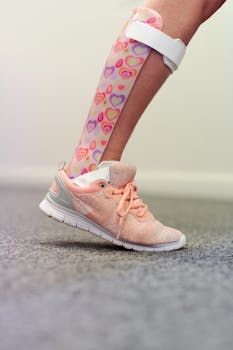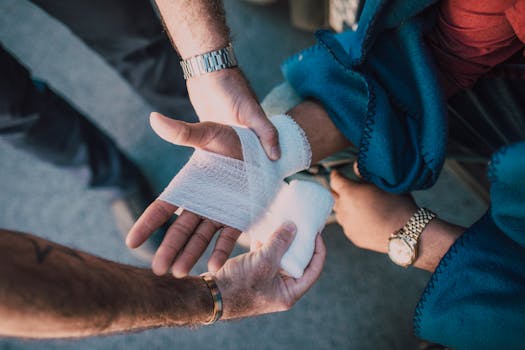
Innovations in the health and wellness industry are continually emerging, and the sweat bandage is capturing attention for its potential benefits in recovery and therapeutic care. Whether you’re an athlete, recovering from an injury, or manage a chronic condition, understanding how this innovative tool works could be pivotal in enhancing your wellness journey.
How Does a Sweat Bandage Work?
The sweat bandage operates by combining advanced materials that respond to body heat and moisture. As your body begins to sweat, the bandage reacts by dispersing beneficial agents, such as cooling or healing compounds, directly onto the skin. This process may aid in reducing inflammation and promoting faster healing. By facilitating localized treatment, the sweat bandage stands out as a practical solution for recovery and comfort.
Benefits of the Sweat Bandage
This innovative product isn’t just about cutting-edge technology; its real strength lies in its potential benefits for the user. Let’s explore the primary advantages.
- Enhanced Recovery: Through its interaction with sweat, the bandage may boost recovery times by delivering therapeutic agents directly to the affected area.
- Reduced Swelling: The targeted release of cooling compounds can assist in minimizing swelling and harness the body’s natural cooling mechanism.
- Pain Relief: By maintaining the body’s optimal healing temperature and environment, it can help manage pain more effectively than traditional bandages.
- Increased Comfort: Lightweight and breathable design ensures a snug fit, allowing wearers to move comfortably throughout the day.
Applications and Considerations
The sweat bandage is versatile and can be used in various scenarios. Athletes utilize it for muscle recovery post-workout, while patients in rehabilitation programs may find it effective in managing joint pain and injuries. As technologies develop, the applications of the sweat bandage continue to expand.
However, users should consider the specific materials used in the bandage to avoid any allergic reactions. While these bandages are generally designed with hypoallergenic materials, those with sensitive skin should consult a healthcare provider if concerns arise.
Comparing Sweat Bandages to Traditional Bandages
Traditional bandages provide a barrier to protect wounds and injuries but often lack the active engagement seen in sweat bandages. The added technology in sweat bandages allows for enhanced moisture management and targeted therapeutic action, making them an attractive option for those looking for more than just protection. For a contrasting perspective on preventive health, consider exploring other innovative measures in wellness management, such as understanding the effects of popular treatments and medications. Find out more about potential heart-related side effects of treatments like Ozempic and their role in comprehensive health care.
Choosing the Right Sweat Bandage
When selecting a sweat bandage, consider your specific needs—whether for sports performance, injury recovery, or managing chronic conditions. Consult with a healthcare professional to ensure that the bandage suits your lifestyle and health objectives. It’s also important to follow manufacturer instructions for optimal effectiveness.
Future of Sweat Bandage Technology
Research in biomaterials and wearable technology continues to advance, paving the way for increasingly sophisticated sweat bandages. As these technologies evolve, they may incorporate sensors that provide real-time health monitoring and feedback. These innovations promise to bring personalized healthcare closer to our everyday lives.
Outside of personal use, the potential for sweat bandages in settings like hospitals and rehabilitation centers is vast. By integrating data collection and analysis, healthcare providers could offer tailored treatments based on individual physiological responses.
Educating Yourself on Health Technologies
Keeping informed about such advancements is crucial for those invested in their health journey. From comparing traditional modalities to exploring cutting-edge options like sweat bandages, understanding your choices can empower better decision-making. For a comprehensive overview of health technologies and innovations, you can always rely on authoritative sources such as the Health Wikipedia page for dependable information.
Innovation like the sweat bandage signifies a significant leap forward in personal wellness management, offering potential beyond simply covering wounds. By potentially enhancing recovery and comfort, it presents a new realm of possibilities for individuals across a spectrum of health needs.
- The sweat bandage uses advanced materials to release therapeutic agents during perspiration.
- Benefits include enhanced recovery, reduced swelling, pain relief, and increased comfort.
- Suitable for athletes and those in rehabilitation programs.
- Always consider individual allergies or skin sensitivities.
- Emerging wearables promise to expand this technology’s capabilities in future healthcare.
What is a sweat bandage?
A sweat bandage is a type of bandage designed with advanced materials that release therapeutic compounds when they come into contact with sweat from the body, potentially aiding in recovery.
How does a sweat bandage differ from a regular bandage?
Unlike regular bandages that primarily protect wounds, sweat bandages actively interact with the body’s sweat to release healing or cooling agents, offering additional recovery benefits.
Who can benefit from using a sweat bandage?
Athletes seeking improved recovery, individuals recovering from injuries, and those managing chronic conditions like arthritis may find sweat bandages beneficial.
Are there any side effects of using a sweat bandage?
In general, sweat bandages are considered safe. However, it is essential to be aware of any potential allergic reactions to the materials used. If in doubt, consult with a healthcare provider.
Where can I learn more about sweat bandage technology?
For a detailed understanding, researching reputable health technology publications and consulting healthcare professionals can provide deeper insight into sweat bandage technology and its benefits.