Many people know fiber supports gut health, but aren’t sure which type to choose—or how much they really need. This guide explains soluble and insoluble fiber, shows where to find them in everyday foods, and helps you match your intake to goals like regularity, cholesterol support, and feeling full between meals.
Soluble vs. Insoluble Fiber: Why Both Matter
Fiber isn’t a single nutrient. Soluble and insoluble fiber work differently in your digestive tract, and each offers unique benefits. Most people do best with a mix of both across the day, adjusted to goals and tolerance.
What Is Soluble Fiber?
Soluble fiber dissolves in water and forms a gel-like texture in the gut. This slows digestion and nutrient absorption, which can steady post-meal blood sugar and help meals feel more satisfying. Soluble fiber also binds bile acids, which can support healthy LDL cholesterol levels over time. In the colon, it’s fermented by beneficial bacteria, producing short-chain fatty acids that help maintain the gut lining.
- Common sources: oats and oat bran, barley, beans and lentils, apples, citrus, berries, pears, carrots, Brussels sprouts, sweet potato, psyllium.
What Is Insoluble Fiber?
Insoluble fiber doesn’t dissolve in water. It adds bulk to stool and helps move material through the digestive tract, which supports regularity and comfortable bowel movements.
- Common sources: whole wheat and wheat bran, brown rice, nuts and seeds, beans (contain both types), cauliflower, green beans, leafy greens, potato skins and other vegetable peels.
Choosing Fiber Based on Your Goals
Goal: Regularity and Comfort
If constipation is the main issue, increase total fiber and fluid first. Insoluble fiber is especially helpful for stool bulk and transit, while moderate soluble fiber can soften stool and reduce straining. Build fiber gradually to reduce gas and bloating, and drink adequate water—fiber needs fluid to do its job. Practical ideas include whole-grain toast with nut butter and sliced pear; mixed greens with chickpeas and colorful vegetables; or brown rice or quinoa with roasted vegetables and olive oil.
Goal: Cholesterol Support
Soluble fiber stands out for LDL cholesterol. Oat beta-glucan, barley, legumes, and psyllium are the best-studied options. Aim for 5–10 grams of soluble fiber per day within a balanced eating plan and active lifestyle. Discuss changes with your clinician if you’re on lipid-lowering medications.
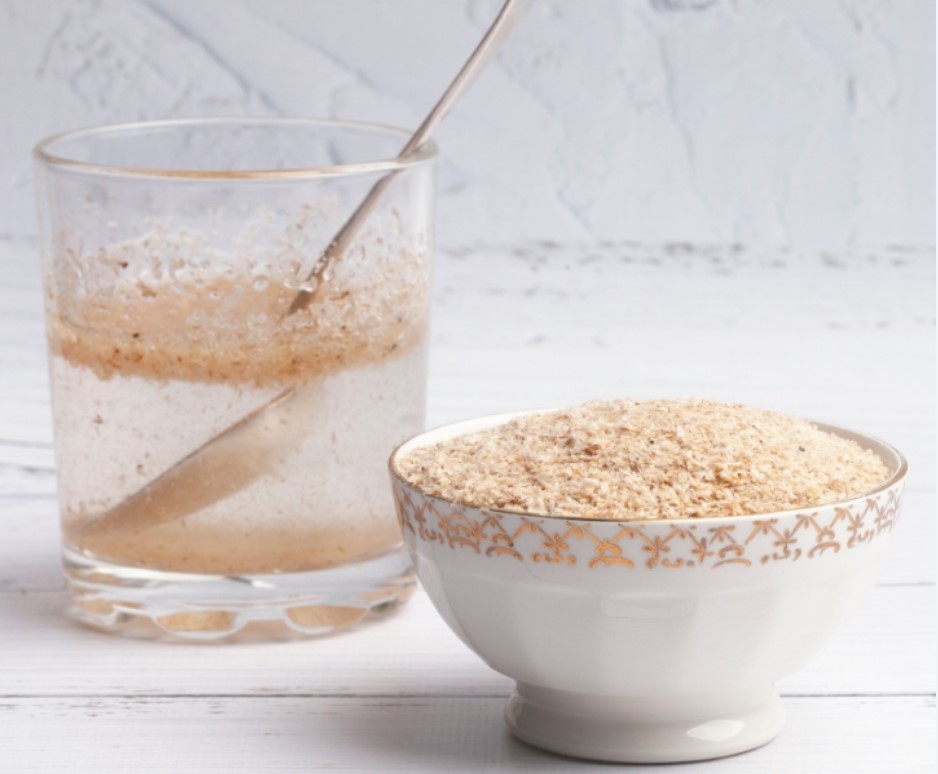
For an easy daily boost of soluble fiber, many people add organic psyllium husk fiber to yogurt, smoothies, or oatmeal.
Goal: Fullness and Steadier Appetite
Soluble fiber’s gel-forming quality helps meals feel more satisfying. Combine it with protein and healthy fats to support a steady appetite across the day. Insoluble fiber still matters for overall volume and chewing time, which can also help. Simple pairings include Greek yogurt with oats and berries; lentil soup with a side salad; or salmon with barley pilaf and roasted carrots.
Food Examples You Can Use Today
Breakfast
Try oatmeal cooked with milk or a fortified dairy alternative, topped with blueberries and chopped walnuts for a mix of soluble and insoluble fiber. Whole-grain toast with avocado and tomato plus a clementine, is another balanced option.
Lunch
Barley and vegetable soup with a side of whole-grain crackers provides soluble and insoluble fiber together. Or build a big salad with mixed greens, chickpeas, quinoa, chopped apples, and a vinaigrette.
Dinner
Black bean tacos on whole-grain tortillas with cabbage slaw and salsa deliver both fiber types. Baked chicken or tofu with brown rice and roasted Brussels sprouts is another reliable choice.
Snacks
Pick an apple with peanut butter, carrot sticks with hummus, or a pear with a handful of almonds to keep fiber intake steady between meals.
How Much Fiber Do You Need?
Most adults benefit from 25–38 grams of total fiber per day, or roughly 14 grams per 1,000 calories. Many people fall short by 10–15 grams. A practical approach is to include a fiber source at each meal and one snack, mixing fruits or legumes (often higher in soluble fiber) with whole grains, vegetables, nuts, and seeds (often higher in insoluble fiber). Increase fiber slowly over 1–2 weeks while drinking enough water to minimize discomfort.
Smart Use of Supplements
Whole foods should lead, but supplements can help when intake falls short. Psyllium is a well-studied soluble fiber that supports regularity and LDL cholesterol within a balanced plan. Start with a small serving, mix thoroughly in liquid or add to foods, and give your gut a few days to adjust. Separate fiber supplements from medications by at least two hours unless your clinician advises otherwise.
People with IBS or sensitive digestion may do better by increasing fiber gradually and choosing gentler sources (ripe bananas, oats, chia, cooked vegetables). If symptoms persist, seek personalized guidance from a registered dietitian.
What the Research Points To
A diet that supplies both soluble and insoluble fiber supports multiple digestive outcomes at once: consistent bowel habits, a healthy gut microbiome, and better appetite control. Soluble fiber from oats, legumes, fruit, and psyllium is particularly helpful for LDL cholesterol and fullness, while insoluble fiber from whole grains, vegetable skins, nuts, and seeds is reliable for stool bulk and transit. The most sustainable plan is the one you can keep—small changes at each meal add up.
Key Takeaways
- Soluble and insoluble fiber work differently; most people benefit from both.
- Match fiber choices to your goal: soluble for cholesterol and fullness, insoluble for regularity.
- Increase fiber gradually and drink enough water to support comfort.
FAQ
Do I need fiber at every meal?
Not strictly, but including fiber at most meals and snacks makes it easier to reach your daily target and keeps digestion and appetite on a more even keel.
Can you get too much fiber?
Yes. Rapidly jumping to very high intakes can cause gas, bloating, and discomfort. Increase slowly, space fiber across the day, and drink water. If symptoms continue, scale back and reintroduce gradually.
What’s the best time to take a fiber supplement?
Consistency matters more than timing. Many people take soluble fiber with breakfast or lunch. If you take medications, separate by at least two hours unless your clinician says otherwise.
Are cooked vegetables as good as raw for fiber?
Both are useful. Cooking can make some vegetables easier to tolerate while still supplying meaningful fiber, especially if you keep peels on when appropriate.
Which fiber helps with constipation vs. diarrhea?
Insoluble fiber is helpful for constipation because it adds bulk and speeds transit. For loose stools, soluble fiber can help by absorbing water and forming a gel that firms stool.