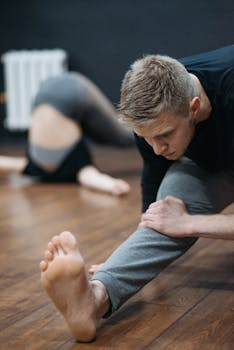
Stretching often feels like a necessary part of our daily routine, whether we’re waking up, cooling down after a workout, or simply shaking off the stiffness after sitting for too long. But have you ever wondered why does stretching feel good? This sensation is linked to a combination of physiological and psychological factors. Understanding these can shed light on how regular stretching can benefit both body and mind.
Why Does Stretching Feel Good?
The pleasant sensation you experience when stretching arises from several interconnected factors:
- Increased Blood Flow: Stretching enhances circulation to the muscles, delivering essential nutrients and oxygen.
- Release of Tension: Stretching helps in releasing tension that gets accumulated in muscles due to stress or inactivity.
- Endorphin Release: The act of stretching stimulates the release of endorphins, the body’s natural painkillers, which can elevate your mood.
Beyond these immediate benefits, stretching can contribute to long-term wellness by improving flexibility, aiding in injury prevention, and enhancing athletic performance. Let’s explore these in more detail.
Physical Benefits of Stretching
Stretching is not just about feeling good in the moment. It plays a crucial role in maintaining the overall health of muscles and joints.
Improved Flexibility and Range of Motion
Regular stretching can improve flexibility, which is essential for maintaining a full range of motion in the joints. Improved flexibility can enhance functional abilities in daily activities and is critical for the performance of athletes and dancers.
Injury Prevention
By promoting flexibility and reducing muscle stiffness, stretching may help lower the risk of injuries. This is particularly beneficial before engaging in physical activities, as it prepares the muscles for greater exertion.
Enhanced Muscle Coordination
Stretching helps improve muscle coordination by allowing muscles to work more effectively. This is beneficial during physical activities that require quick or coordinated movements.
For more information on how regular exercise can complement your stretching routine to improve mental health, visit our article on exercise and mental well-being.
Psychological Benefits of Stretching
It’s not all about the physical—it turns out that stretching can have psychological benefits too.
Stress Reduction and Relaxation
Stretching can serve as a fantastic stress reliever. It promotes the release of tension and facilitates relaxation, inducing a state of calmness. This relaxation response can help in managing stress levels.
Improved Mood
Thanks to the release of endorphins, stretching can improve mood and make you feel more positive. This can be particularly effective when included as part of a regular fitness routine.
Increased Mindfulness
Stretching encourages you to be present in the moment, focusing on how your body feels. This mindful awareness can enhance mental clarity and improve your overall mental state.
How Often Should You Stretch?
Incorporating stretching into your daily routine is a proactive way to reap its rewards. Experts often recommend stretching major muscle groups at least two to three times a week.
There are different types of stretching, including static and dynamic stretching. Static stretching involves holding a stretch for 15-60 seconds, while dynamic stretching involves moving parts of your body gradually in controlled motions. Both have their place in a well-balanced routine.
Final Thoughts on Stretching
So, why does stretching feel good? It’s a blend of physiological processes and psychological responses. The increased blood flow, reduction in muscle tension, and release of endorphins are just a few reasons. Stretching is vital for both your physical and mental health. To start experiencing the benefits of stretching, listen to your body and integrate stretching exercises into your routine mindfully.
Takeaways
- Stretching increases blood flow and releases endorphins, which feel good.
- Regular stretching improves flexibility, range of motion, and injury prevention.
- It can also help reduce stress and improve mood.
- Stretching enhances both physical performance and mental health.
- A balanced routine of stretching should include both static and dynamic exercises.
FAQs
What types of stretching are best for beginners?
For beginners, static stretching is often recommended as it is easier to perform and less likely to cause injury.
How long should each stretch be held?
Each static stretch should ideally be held for 15-60 seconds to gain the maximum benefit, according to experts.
Is there a recommended time to stretch during the day?
Stretching can be beneficial both in the morning to awaken your body, and in the evening to release tension accumulated during the day.
Can stretching alone replace a workout routine?
While stretching is beneficial, it does not provide the cardiovascular, strength, or endurance benefits offered by a complete workout regimen. Pair it with regular physical activity for best results.
Where can I find reliable information about the benefits of stretching?
For comprehensive and trustworthy information on health benefits, consider visiting resources like Wikipedia’s health section.