Experiencing double vision, or diplopia, can be a distressing symptom that leaves many searching for answers. Understanding the vision double causes is crucial to addressing the underlying issues. Often, it can be attributed to a range of factors, from minor refractive errors like needing glasses, to more serious conditions affecting the eye or the brain. In this article, we will delve into the potential reasons why someone might experience double vision and discuss the various implications associated with this condition.
Exploring Vision Double Causes
Double vision can arise due to several underlying issues. The most common causes are related to the eyes themselves. These include misalignment of the eyes, cataracts, and refractive errors. When the eyes are not adequately aligned, as seen in conditions like strabismus, it can lead to diplopia as each eye focuses on a slightly different object.
Cataracts, which cloud the lens of the eye, can distort vision and cause double images. Additionally, refractive errors, such as astigmatism or incorrect prescriptions, can also result in double vision. Each of these factors can be addressed with corrective measures, but a professional evaluation is essential for proper diagnosis and treatment.
Neurological Causes of Double Vision
Beyond ocular conditions, neurological issues can also lead to double vision. These include stroke, brain tumors, and multiple sclerosis. When the nerves that control eye muscles are affected, it can cause misalignment and resulting double vision. Thyroid disease can also affect eye muscles and lead to diplopia, highlighting the complexity of this issue.
In rarer cases, double vision can be linked to head injuries or conditions such as myasthenia gravis, a neuromuscular disorder. If double vision appears suddenly, it is crucial to seek immediate medical assistance as it could be indicative of a serious underlying condition.
Systemic and Metabolic Factors
Systemic illnesses and metabolic disorders can be surprising contributors to double vision. Diabetes, for instance, is a common systemic condition that can affect the eyes, sometimes leading to partial or full double vision due to nerve damage. In some cases, an eye test can identify diabetic retinopathy, a complication of diabetes. Learn more about how an eye test can detect diabetes and potentially prevent complications.
Problems with metabolism can also have a direct impact on eye health and visual clarity. For instance, a deficiency in essential vitamins and minerals could affect nerve function and lead to double vision. Addressing nutritional gaps could be a simple yet effective measure in managing or preventing diplopia.
Diagnosing Double Vision Causes
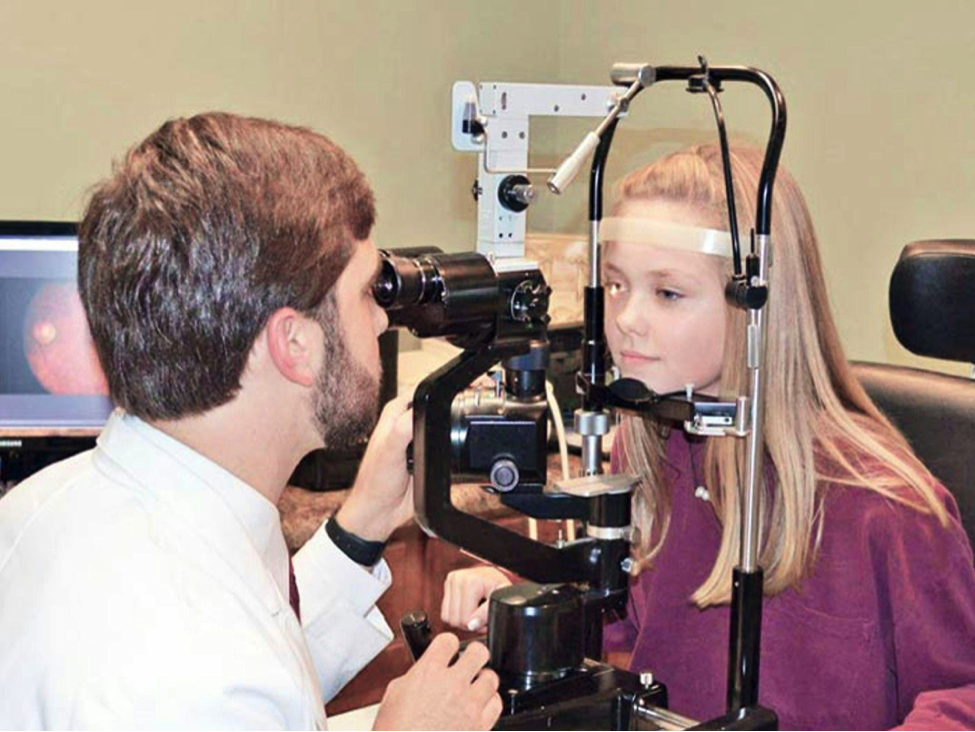
The process of diagnosing double vision begins with a comprehensive eye examination. Eye care professionals may also use imaging tests to assess any neurological or systemic contributions. For those with suspected neurological causes of double vision, an MRI or CT scan might be necessary to get a clearer picture of the brain and associated structures.
Blood tests may also be employed to determine if systemic conditions like thyroid dysfunction or diabetes are contributing factors. Identifying the root cause is vital for tailoring effective treatments and improving patient outcomes.
Treatment and Management Options
Once the vision double causes have been identified, treatment options vary depending on the underlying issue. Corrective lenses or surgery may resolve issues related to refractive errors or cataracts. For neurological causes, medications and therapies can manage symptoms and progression.
For systemic conditions, managing the primary illness, such as controlling blood sugar levels in diabetes, might improve or eliminate double vision. In all cases, it is important to follow a healthcare provider’s recommendations and to have regular eye exams.
Preventing Double Vision
Preventative measures can play a significant role in guarding against double vision. Regular eye check-ups, a balanced diet, and managing chronic health conditions are essential strategies for maintaining overall eye health. For individuals at risk, implementing these lifestyle changes can decrease the likelihood of developing visual disturbances.
Double vision, or diplopia, is a complex symptom with a variety of potential causes. From vision double causes like refractive errors and neurological issues to systemic health problems, understanding the roots is essential for effective treatment. Consult with an eye care professional if you experience any visual disturbances to determine the best course of action.
- Double vision can result from a variety of ocular and systemic causes.
- Neurological issues like stroke or multiple sclerosis can be significant contributors to double vision.
- Regular eye exams are crucial for early detection and management of underlying conditions.
- Addressing systemic conditions such as diabetes can help manage or prevent double vision.
- Comprehensive diagnosis is key to effective treatment and management of double vision.
What are the primary ocular causes of double vision?
Ocular causes include misalignment like strabismus, cataracts, and refractive errors such as astigmatism or incorrect prescriptions.
How can neurological conditions contribute to double vision?
Neurological conditions can affect the nerves that control eye muscles, leading to misalignment and diplopia. Issues like stroke or multiple sclerosis are potential contributors.
Can systemic diseases cause double vision?
Yes, systemic diseases like diabetes and thyroid disorders can impact eye muscles or nerves, resulting in double vision.
Is double vision a serious symptom?
Double vision can be serious and indicative of underlying health issues, especially if it appears suddenly. Medical evaluation is recommended.
Are there lifestyle measures that prevent double vision?
Maintaining overall health through a balanced diet, regular eye exams, and managing chronic health conditions can help prevent double vision.