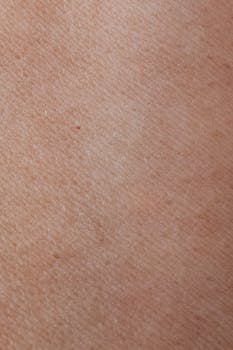
The appearance of yellow spots on skin can be concerning and may signal a range of health issues. While not necessarily serious, these spots can be caused by a variety of factors that may require different approaches to treatment or lifestyle changes. Understanding what these spots might indicate is important for taking proactive steps for your skin health.
Causes of Yellow Spots on Skin
There are several potential causes for yellow spots on skin, ranging from benign conditions to signals of underlying health issues. It’s essential to know what might be causing these discolorations to address them effectively.
Jaundice
Jaundice is a common cause of yellowing skin, particularly around the eyes. It occurs when there is an excess of bilirubin, a byproduct of old red blood cells breaking down in the liver. This condition often indicates underlying issues such as liver disease or bile duct obstruction. Consulting a healthcare provider is crucial if jaundice is suspected.
Hypercarotenemia
Hypercarotenemia is an excess of carotenoids in the body, usually from eating a lot of carrots or other orange, yellow, or green vegetables. While generally harmless, it is sometimes confused with jaundice. Adjusting your diet can often resolve this issue.
Granuloma Annulare
This chronic skin condition is characterized by yellowish or skin-colored bumps. Though its exact cause is unknown, it may be associated with autoimmune factors or minor skin injuries. Treatment may involve topical corticosteroids if the condition is symptomatic.
Other Possible Causes
Yellow spots on skin may also originate from conditions like cholesterol deposits or xanthomas, often linked to lipid disorders. Additionally, certain medications can cause skin discoloration. Always consult a healthcare provider when the cause of skin changes is unclear.
Symptoms to Monitor
While yellow spots may initially seem isolated, keeping an eye on accompanying symptoms can help in diagnosing the underlying cause. Look for signs like itching, pain, fever, or other discolorations, and document any changes.
When to Seek Medical Attention
If yellow spots persist or worsen, it is crucial to seek medical attention. This is especially true if they are accompanied by other symptoms like unexplained weight loss, fatigue, or changes in bowel habits, which may indicate more serious health issues.
Diagnosis and Testing
Determining the cause of yellow spots on skin usually involves a thorough medical history and physical examination. Blood tests, liver function tests, or skin biopsies might be necessary depending on the suspected underlying cause. Doctors might also check for cholesterol levels or check the liver using imaging tests.
Treatment and Management
Treatment will depend on the underlying cause of the yellow spots on skin. For dietary causes, simple changes in nutrition might suffice. In other cases, addressing the primary health issue, like managing liver conditions or cholesterol, is required.
Lifestyle Changes
Sometimes, lifestyle adjustments such as increasing physical activity, adopting a balanced diet, and avoiding excessive alcohol can significantly improve symptoms or prevent further skin changes.
Medical Interventions
Medical intervention is sometimes necessary, particularly if the condition does not respond to lifestyle changes. Medications or topical treatments may be prescribed, particularly for conditions like granuloma annulare or cholesterol deposits. Always discuss treatment options with a healthcare provider.
The Importance of Skin Health Awareness
Recognizing changes in your skin and knowing when to seek professional advice is crucial. Staying informed about potential indicators like yellow spots can prevent more severe complications and promote overall health. For more on related topics, check out our article on skin health and innovation.
Stay Informed with Credible Resources
For further information, visit detailed resources from reliable entities. For instance, the Wikipedia Health page offers a comprehensive overview of health-related concepts and terms.
Final Thoughts
Yellow spots on skin, though potentially alarming, are frequently treatable and manageable when the underlying cause is detected early. Maintaining regular check-ups and staying observant of skin changes are excellent practices for ensuring long-term health.
- Yellow spots can be indicative of benign or serious health issues.
- Common causes include jaundice, hypercarotenemia, and granuloma annulare.
- Seek medical advice if spots persist or are accompanied by other symptoms.
- Treatment may vary from dietary adjustments to medical interventions.
- Maintain awareness and stay informed on skin health.
What are yellow spots on skin?
Yellow spots on the skin can indicate a range of conditions from dietary causes like hypercarotenemia to more serious issues like jaundice.
Can yellow spots go away on their own?
If caused by dietary factors, yellow spots can often improve with changes in diet. Persistent spots should be evaluated by a healthcare provider.
Are yellow spots a sign of liver disease?
In some cases, yellow spots may indicate liver disease, particularly if accompanied by jaundice. Seeking medical attention for appropriate tests is advised.
Is it normal for yellow spots to itch?
While some skin conditions may cause itching, it is not universally characteristic of all causes of yellow spots. Discuss symptoms with a healthcare provider.
What type of doctor should I see for yellow spots?
A dermatologist can help assess skin conditions, but you may be referred to a general practitioner or specialist depending on the underlying issue suspected.