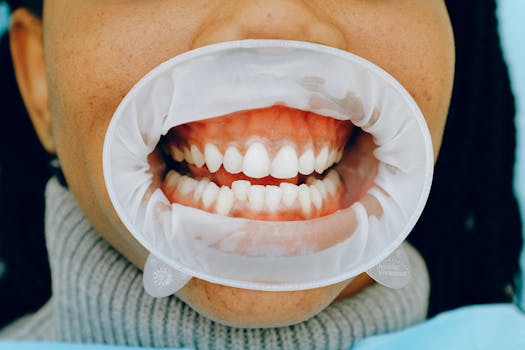
Are you wondering why your gums color black? You’re not alone. The natural color of healthy gums can be pink, but some people notice their gums turning dark or even black. Understanding the different causes of this change can help you identify whether it is a cosmetic concern or something requiring medical attention.
Reasons Your Gums Color Black
There are several reasons why your gums may appear dark or black. From genetic factors to lifestyle choices and medical conditions, let’s explore the potential causes.
Genetic Influences
For many individuals, the appearance of black gums is primarily due to genetics. People with darker skin tones often have more melanin, the pigment responsible for color in the skin, hair, and eyes. This increased melanin can extend to the gums, making them appear darker.
Smoking and Tobacco Use
Smoking or using tobacco products can lead to blackened gums. The tar and nicotine from cigarettes can cause melanin production to increase, creating a condition often referred to as “smoker’s melanosis.” Reducing or quitting smoking can help alleviate the darkening.
Medical Conditions and Medication
Certain medical conditions and medications might also lead to gums turning black. Conditions like Addison’s disease, Peutz-Jeghers syndrome, and Laugier-Hunziker syndrome can cause pigmentation changes. Additionally, medications such as antimalarials or minocycline may have side effects that include darkened gums.
Poor Oral Hygiene
Although it is less common, inadequate oral hygiene could contribute to darker gums due to the build-up of bacteria and plaque, which might lead to gum disease. Keeping a consistent dental hygiene routine is crucial to prevent other health issues.
Hormonal Changes
Hormonal fluctuations, particularly during pregnancy or puberty, can sometimes impact gum pigmentation. These changes are generally temporary and resolve as hormone levels stabilize.
Oral Health Concerns
Sometimes, black gums may indicate an underlying oral health issue, such as the development of gum disease. This is why regular dental check-ups are essential for maintaining oral health and catching potential problems early.
While many cases of dark or black gums are benign and entirely natural, it is essential to be mindful of any sudden changes or accompanying symptoms. Consulting a dentist can provide peace of mind.
Care and Treatment for Dark Gums
If you’re concerned about gums darkening, several approaches can help manage or improve their appearance. Always consult a dental professional for tailored advice.
Professional Dental Whitening
In instances where lifestyle factors such as smoking have contributed to gums darkening, professional dental services, including teeth and gum whitening, might be an option. Dentists can use specific treatments to lighten your gums safely.
Improved Oral Hygiene Practices
For some, simply stepping up one’s oral hygiene game can make a notable difference. This includes regular brushing, flossing, and using mouthwash to help prevent bacteria build-up and maintain healthy gums.
Laser Gum Depigmentation
Laser therapy can be employed to address cases of excessive pigmentation. This procedure involves using laser technology to target and reduce pigmentation safely. For further insight, you may explore the topic of laser treatments and their effects.
It’s important to ensure that any treatment undertaken aligns with professional dental advice and considers any underlying conditions.
Consulting a Professional
If you’re ever in doubt whether your gums color black is of cosmetic or medical concern, consult a dental professional. They can provide diagnostics and suggest appropriate interventions.
Moreover, resources from reputable sites like Wikipedia can offer comprehensive knowledge about maintaining oral health.
- Dark gums can be due to genetics, lifestyle, or medical issues.
- Consult a dentist for persistent or concerning changes in gum color.
- Treatment options can include improved oral hygiene, laser depigmentation, and quitting tobacco.
- Regular dental check-ups are vital for early detection of oral health problems.
Why do gums color black?
Gums may appear black due to genetic factors, smoking, certain medical conditions, and more. Consulting a dentist can help determine the cause in individual cases.
Can poor dental hygiene cause black gums?
While it’s rare, poor dental hygiene could contribute to darker gums due to bacterial build-up. It’s crucial to maintain a consistent oral care routine.
Are there any safe treatments for black gums?
Yes, treatments like laser gum depigmentation, professional dental cleaning, and improved home care can be effective, depending on the cause. Always consult a professional first.
When should I see a dentist about black gums?
It’s advisable to see a dentist if you notice sudden changes in gum color, experience any pain, or if dark gums are accompanied by other symptoms.
Do lifestyle changes help in reducing black gums?
Yes, quitting smoking, maintaining proper oral hygiene, and managing any underlying health conditions can help reduce or prevent black gums.
It’s essential to stay informed and proactive about oral health. If you’re ever unsure about changes in your gums’ appearance, seeking professional advice is always a wise course of action. Understanding the reasons behind gums color black empowers you to make informed decisions about your health.