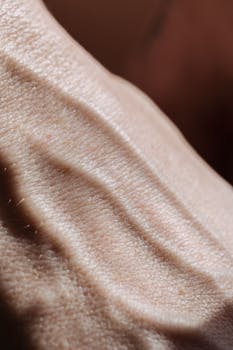
When someone notices their legs appearing more veiny, it often raises concern about what these visible veins might indicate. For some, these veiny legs might merely be a cosmetic issue, while for others, they can be a sign of underlying health conditions.
What Causes Veiny Legs?
Veiny legs can occur due to a variety of reasons ranging from benign to serious. Understanding the causes can help guide appropriate treatment options.
Genetic Factors
If your parents or other family members had visible leg veins, it might be due to hereditary factors. Genetics can influence the valvular health of the veins, making some individuals more susceptible to visible veins.
Age and Lifestyle
As we age, our skin naturally becomes thinner, making veins more apparent. Additionally, certain lifestyle factors, such as prolonged standing or sitting, increase the pressure in leg veins, contributing to their appearance.
Medical Conditions
Some medical conditions like varicose veins or thrombophlebitis can cause prominent leg veins. Varicose veins occur due to valve dysfunction in veins, leading to blood pooling and enlarged veins. Thrombophlebitis is inflammation caused by a blood clot, which can also make veins more visible.
Various hormonal changes, blood circulatory issues, or even pregnancy can increase the pressure on veins, leading to visible veins. It’s essential to consult with a healthcare provider if you experience persistent or worrying symptoms.
Low Body Fat
People with lower body fat percentages tend to have more visible veins because there’s less fatty tissue to conceal them. Professional athletes or fitness enthusiasts might notice more prominent veins due to their lower body fat ratio.
Solutions for Veiny Legs
Addressing veiny legs involves both lifestyle modifications and medical treatments, depending on severity and underlying issues.
Lifestyle Modifications
Improving blood circulation through regular exercise, maintaining a healthy weight, and elevating legs can reduce the appearance of veins. Compression stockings can also support veins in their return journey of blood to the heart.
Medical Treatments
For some, medical interventions might be necessary. Sclerotherapy is a common treatment that involves injecting a solution into the vein, causing it to collapse and fade over time. Laser treatments and endovenous thermal ablation are other options that use heat or light to close the affected veins.
If you’re considering treatments, consult a healthcare professional for evaluations and recommendations. Detailed information about how dermatological treatments like Botox work might also shed light on other cosmetic procedures.
Dietary Considerations
Adopting a diet rich in flavonoids and low in salt might improve vascular health. Foods like blueberries, grapes, and citrus fruits may support vein integrity. However, consult a doctor before making dietary changes intended to treat health conditions.
When to See a Doctor
If your veiny legs are accompanied by pain, swelling, or changes in skin color, it’s crucial to seek medical attention. A healthcare professional can perform tests to determine the underlying cause and recommend an appropriate treatment plan.
While veiny legs can appear for various reasons, ranging from genetic to lifestyle factors, understanding these causes can aid in finding suitable solutions. Remember, a healthcare provider can offer personalized advice based on your specific condition.
- Veiny legs can be cosmetic or indicate an underlying condition.
- Genetics, lifestyle, and age are common factors.
- Treatments include lifestyle changes and medical procedures.
- Consult a healthcare professional for persistent symptoms.
- Learn about health-related topics to make informed decisions.
What are the primary causes of veiny legs?
Veiny legs can result from genetic predisposition, age, lifestyle factors, and medical conditions like varicose veins or low body fat.
Are veiny legs a cause for concern?
Veiny legs are often harmless and cosmetic, but persistent symptoms such as pain or swelling should be evaluated by a healthcare professional.
How can lifestyle impact the appearance of leg veins?
Lack of movement and prolonged standing or sitting can increase vein pressure, potentially leading to more visible veins. Regular exercise can help mitigate this.
What medical treatments are available for veiny legs?
Medical options include sclerotherapy, laser treatments, and endovenous thermal ablation, which aim to close or fade affected veins.
Where can I find more information about health-related issues?
A reliable source for general health information is Wikipedia’s health page, offering a broad overview of related topics.