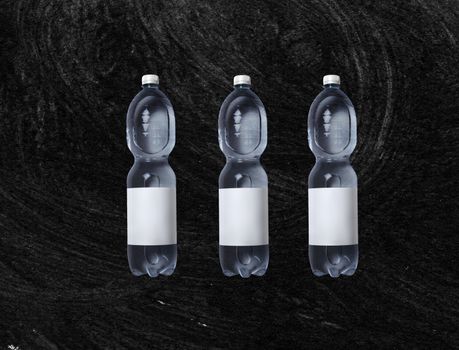
In recent years, more people have become interested in the potential health benefits of mineral water and sparkling water. These fizzy beverages are often seen as refreshing alternatives to regular tap or still water, gaining popularity among those looking to stay hydrated and healthy. But what sets these waters apart, and how might they contribute to your well-being?
Understanding Mineral Water and Sparkling Water
Both mineral water and sparkling water offer distinct properties. Mineral water originates from natural springs and is enriched with minerals like calcium, magnesium, and potassium. These minerals are naturally occurring and can vary depending on the water’s source. This gives mineral water its unique taste and potential nutritional benefits.
Sparkling water, on the other hand, includes carbonated beverages with added carbon dioxide, making them fizzy. This category includes both naturally carbonated and artificially carbonated waters. While they may not contain the same level of minerals as mineral water, they can still provide a refreshing alternative to sugary soft drinks.
Health Benefits of Mineral Water and Sparkling Water
The potential health benefits of these waters are diverse. For instance, mineral water is often praised for its ability to support bone health due to its calcium content. The presence of magnesium may also aid in muscle function and reduce the risk of cramps.
Sparkling water can serve as a flavorful alternative that encourages increased water intake, preventing dehydration. Dehydration can lead to various health issues; hence, proper hydration is essential. For more detailed insights on hydration, visit how proper hydration impacts your overall health and wellness.
Digestive Health Support
Mineral water, rich in magnesium sulfate, is known to support digestive health. This mineral can help alleviate symptoms of constipation by promoting bowel movements. Additionally, some sparkling waters may aid digestion by reducing indigestion and discomfort after meals, thanks to the carbonic acid they contain.
Cardiovascular Health
Consuming mineral water may have positive effects on cardiovascular health. The presence of calcium and magnesium can support heart function and help manage blood pressure levels. However, it is important to remember that these benefits can vary based on individual dietary needs and overall intake of these minerals.
Nutritional Value and Daily Consumption
While both mineral water and sparkling water can be part of a balanced diet, understanding their nutritional value is key. Mineral water offers a natural source of essential minerals, which can complement other dietary sources. Sparkling water, although less abundant in minerals, can help satisfy thirst and reduce soda cravings, ultimately supporting weight management goals.
Moderation is important, particularly with sparkling waters that contain added sugars or artificial flavorings. Checking the label before consumption is an excellent practice to ensure you’re making a healthy choice.
Environmental Impact and Choosing Sustainable Options
For environmentally-conscious consumers, both mineral and sparkling waters present sustainability challenges, often related to plastic packaging. Opt for brands using recyclable materials or invest in a water carbonator machine to create sparkling water at home, reducing plastic waste.
Additionally, supporting local or regional brands can help reduce your carbon footprint by minimizing transportation-associated emissions.
Potential Risks and Considerations
Although generally safe for consumption, mineral water and sparkling water may pose potential risks. High sodium content in certain sparkling waters can contribute to hypertension in sensitive individuals. It’s essential to read labels carefully, particularly for people on sodium-restricted diets.
For people with gastrointestinal conditions, carbonated waters might lead to increased discomfort, so consulting a healthcare provider is advised to tailor intake accordingly.
Overall, mineral water and sparkling water can be healthy additions to your diet. However, like any product, they should be consumed in moderation and as part of a balanced diet. More information on the role of mineral water in overall health can be found on Wikipedia’s health page.
- Mineral water provides essential nutrients like calcium and magnesium.
- Sparkling water is a hydrating alternative to sugary sodas.
- Consider environmental impacts and choose sustainable options.
- Moderation is key when incorporating flavored sparkling waters.
- Consult a healthcare provider if you have specific health concerns.
FAQs About Mineral Water and Sparkling Water
Can drinking mineral water improve my health?
Mineral water may support health due to its mineral content, but it should be part of a balanced diet.
Is sparkling water bad for my teeth?
Sparkling water is slightly acidic and can affect teeth enamel over time; moderation and proper dental care are recommended.
Does sparkling water hydrate as well as still water?
Yes, sparkling water hydrates the body similarly to still water if consumed without added sugars.
Can I drink mineral water daily?
Consumption of mineral water can be part of a healthy diet, but balance with other sources of hydration is advised.
What are the best times to drink mineral water?
Mineral water can be enjoyed at any time, but some prefer it with meals to aid digestion.