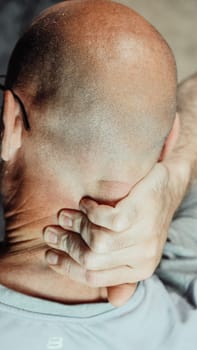
When it comes to managing pain, whether from a minor injury or a medical procedure, many people seek effective yet gentle solutions. One such popular method is using a topical anesthetic numbing cream. These creams are designed to numb specific areas of the skin to reduce discomfort. With various applications ranging from tattoo procedures to minor surgeries, these creams provide a temporary solution for pain relief.
Understanding Topical Anesthetic Numbing Cream
Topical anesthetic numbing creams work by blocking nerve signals in the skin, reducing sensation and thus providing pain relief. These creams contain active ingredients such as lidocaine or benzocaine, which are known for their anesthetic properties. When applied to the skin, they penetrate the surface to target the nerve endings directly.
Common Uses and Benefits
These numbing creams can be used for various reasons. Some of the most common uses include:
- Tattooing and Piercing: Often used to minimize pain during these procedures.
- Minor Surgical Procedures: Applied before procedures like laser treatments and biopsies.
- Chronic Pain Management: For conditions such as arthritis or neuropathy.
Besides providing comfort during medical and cosmetic procedures, topical anesthetic creams can also help reduce anxiety related to anticipated pain. For more innovative approaches to pain management, explore how stem cell therapy is changing the healing process.
How to Use Topical Anesthetic Numbing Creams Safely
While these creams are generally safe, proper application is crucial to prevent side effects and ensure effectiveness. Follow these steps for safe use:
- Clean the Area: Always start by cleansing the skin to remove dirt and oils.
- Apply a Thin Layer: Use only the recommended amount and gently massage it into the skin.
- Cover if Necessary: Some procedures might require covering the area with plastic wrap for enhanced absorption.
- Follow Time Guidelines: Excessive use can lead to side effects like irritation or increased sensitivity.
Consulting with a healthcare provider prior to use is advisable, particularly for large areas or prolonged applications.
Considerations and Precautions
Despite the benefits, users should be aware of potential side effects. These can include skin irritation, allergic reactions, and, in rare cases, systemic absorption leading to more severe reactions. Here are a few precautions:
- Allergic Sensitivity: Conduct a patch test to check for adverse reactions.
- Avoid Open Wounds: Do not apply to broken skin unless prescribed by a healthcare provider.
- Avoid Excessive Use: Over-application can increase the risk of systemic side effects.
- Medical Consultation: Individuals with certain conditions should seek medical advice before use.
For more information on topical anesthetics and their broader health applications, visit this informative page.
Alternatives and Complementary Approaches
While topical anesthetic numbing creams are effective, there are alternative and complementary methods for pain relief. These might include:
- Natural Remedies: Arnica and menthol creams may support pain management.
- Physical Therapies: Techniques such as massage or acupuncture can be beneficial.
- Mind-Body Practices: Meditation and yoga can help in managing chronic pain.
Combining these methods with numbing creams could enhance comfort and lead to more comprehensive pain management strategies.
In conclusion, topical anesthetic numbing creams offer a practical solution for those seeking to alleviate localized pain easily and effectively. When used responsibly, these creams can significantly enhance the quality of life for individuals undergoing medical procedures or coping with chronic pain conditions.
- Topical anesthetic numbing creams block nerve signals to reduce pain.
- They are commonly used for tattoos, piercings, and minor surgeries.
- Proper application and adherence to safety guidelines are critical.
- Consulting a healthcare professional is recommended before use.
- Complementary therapies can augment numbing creams’ effectiveness.
FAQ
Are topical anesthetic numbing creams safe for everyone?
Most people can use these creams safely, but it is always recommended to consult with a healthcare provider, especially for those with allergies or underlying health conditions.
How long does the numbing effect last?
The numbing effect typically lasts from 30 minutes to a couple of hours, depending on the concentration and area of application.
Can I use numbing cream for a tattoo session?
Yes, many people use numbing creams to reduce pain during tattoo sessions. It’s important, however, to discuss this with your tattoo artist beforehand.
What should I do if I experience side effects?
If side effects occur, such as irritation or an allergic reaction, discontinue use immediately and contact a healthcare professional.
Can topical anesthetic creams be used for chronic pain management?
Yes, they can be used as part of a broader pain management plan, but always talk with a healthcare provider to ensure it’s appropriate for your specific condition.