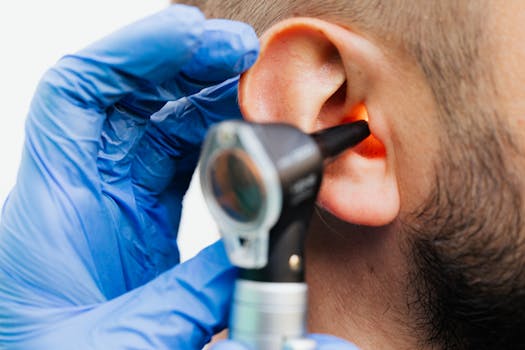
An audiometer is a key tool for evaluating hearing ability. If you’re in the process of selecting an audiometer for personal or professional use, it’s essential to understand the various types available, their features, and how they can best meet your needs.
Types of Audiometers
Audiometers come in different varieties, each designed for specific settings and purposes. Understanding these can help you make an informed decision.
Clinical Audiometers
These are primarily used in audiological clinics and hospitals. They are comprehensive and offer a wide range of assessment options, such as pure-tone audiometry, speech testing, and more. Their advanced features make them suitable for diagnosing different hearing conditions.
Screening Audiometers
Screening audiometers are usually employed in environments like schools or occupational health settings. Their primary function is to quickly identify individuals who may need further audiological evaluation. They are portable, easy to use, and often require minimal training.
Portable Audiometers
As the name suggests, portable audiometers are lightweight and easy to transport. They are ideal for home visits or when traveling to different sites. While they may not have all the features of clinical models, they offer sufficient capabilities for basic hearing assessments.
Key Features to Consider When Choosing an Audiometer
When selecting an audiometer, several features can impact your choice. Here’s what to keep an eye on:
Frequency and Intensity Range
The frequency range determines the range of sounds the audiometer can test. Comprehensive models cover a wider range, essential for detailed assessments. Similarly, the intensity range affects the loudness levels that can be tested, crucial for detecting sensitivity issues.
Display and Controls
Ease of use is paramount, especially in busy clinical environments. Look for audiometers with clear displays and intuitive controls, which can streamline the testing process and reduce the risk of operator error.
Connectivity and Data Management
Modern audiometers often feature digital connectivity, allowing seamless data transfer and integration with electronic health records (EHR). This capability is particularly beneficial for maintaining comprehensive patient histories and facilitating telehealth services.
Understanding Calibration and Maintenance
Regular calibration is necessary to ensure the accuracy of an audiometer. Many audiometers come with calibration certificates and instructions for periodic checks. It’s vital for maintaining reliable test results and meeting regulatory standards.
Maintenance extends beyond calibration. Keeping the device clean and visually inspecting it for wear and tear can prevent malfunctions and prolong its lifespan.
How to Choose the Right Audiometer for Your Needs
Consider your environment and the context in which you will use the audiometer. For example, a clinical setting may require a more advanced model, whereas a school may only need a basic screening device.
Evaluate your budget and weigh it against the features you deem necessary. Remember that investing in a reliable audiometer can enhance diagnostic capabilities and improve patient outcomes.
Consult with peers and read reviews or guidelines from credible sources. Talking to experienced audiologists can provide insights into which models have proven effective in similar settings.
Additional Resources on Hearing Health
For more detailed insights into auditory assessments, visit credible resources. One useful reference is the health overview on Wikipedia, which can guide you to additional topics relevant to your interests.
Furthermore, consider exploring our article on how melatonin can play a role in mental well-being, as it may complement your understanding of overall health management.
In conclusion, selecting the right audiometer requires an understanding of your specific needs and the capabilities of different models. By evaluating the features, considering the environment, and understanding the importance of calibration and maintenance, you can choose an audiometer that supports your hearing assessment goals.
- Audiometers are essential for evaluating hearing.
- Choose based on setting: clinical, screening, or portable.
- Key features: range, controls, connectivity.
- Regular calibration and maintenance ensure accuracy.
- Consult trusted sources to make informed decisions.
FAQs
What is an audiometer used for?
An audiometer is used to measure hearing acuity and assess the ability to hear different frequencies and intensities of sound.
How often should an audiometer be calibrated?
It is recommended that audiometers undergo calibration annually to ensure accuracy and compliance with industry standards.
Can portable audiometers be used for detailed testing?
Portable audiometers are primarily designed for basic screening and may lack some of the advanced features needed for comprehensive tests.
What is the difference between a screening audiometer and a clinical audiometer?
Screening audiometers are generally simpler and used for initial assessments, while clinical audiometers offer a broader range of diagnostic tests and are used in professional settings.
Is it necessary to have connectivity in an audiometer?
While not essential, connectivity can enhance data management and patient record-keeping, especially in larger or digitally-integrated practices.