Whether considering hair restoration or curious about its implications, you might wonder: are hair plugs bad for your health? Hair plugs, although they had a controversial start in cosmetic procedures decades ago, have evolved substantially in terms of technology and technique. Initially, the method involved large plugs of hair that many deemed unnatural in appearance. However, today’s hair restoration methods have been refined and improved. Let’s delve deeper into the potential health impacts and nuances surrounding hair plugs.
Are Hair Plugs Bad for Your Health?
Nowadays, the primary concern with hair plugs is not so much about being inherently “bad” for health as it is about the procedure’s potential side effects and outcomes. Hair restoration surgery, like any surgical intervention, carries risks such as infection, scarring, and bleeding. It’s crucial to understand these risks and the procedural aspects to make an informed decision about undergoing hair plugs.
Understanding Hair Plug Procedure Evolution
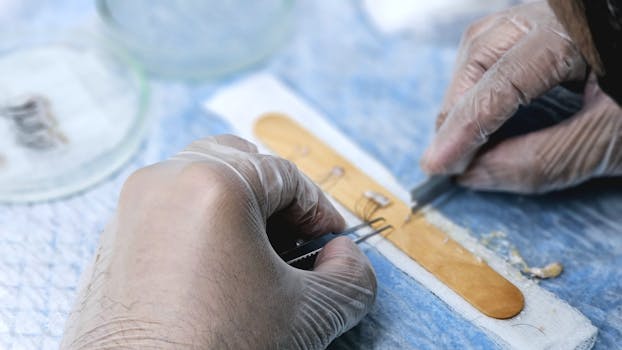
Hair plugs were first introduced in the 1950s and initially involved transplanting larger sections of scalp tissue containing many hair follicles. This method often resulted in an unnatural, “doll-like” appearance, leading to skepticism about the procedure’s effectiveness and natural look. Today, modern techniques such as follicular unit transplantation (FUT) and follicular unit extraction (FUE) have largely replaced the older plug method, offering more natural-looking results. If you’re curious whether these modern alternatives look natural, you can explore more in this detailed guide on natural-looking hair plugs.
Potential Side Effects and Complications
Like any surgery, hair plugs come with potential risks. Understanding these risks can help manage expectations and ensure you’re equipped to handle any complications that might arise. Some common side effects include:
- Infection: As with any surgical procedure, there is a risk of infection. Following post-operative care instructions reduces this risk significantly.
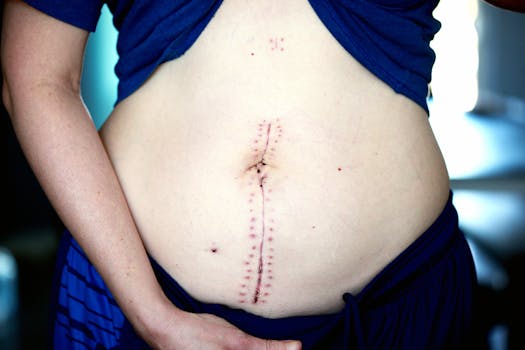
- Scarring: Particularly with FUT methods, visible scarring can occur. Newer techniques like FUE are often sought for their minimal scarring.
- Bleeding: Some bleeding is typical after surgery, but excessive bleeding might indicate a problem.
- Shock Loss: This refers to a temporary loss of hair at the transplant site, which usually resolves without intervention.
Psychological Impact and Patient Expectations
Beyond physical risks, the psychological impact of hair restoration surgery is significant. Many individuals seek hair plugs due to personal or aesthetic reasons, and it’s important to have realistic expectations. Detailed consultations with qualified professionals can help set achievable goals that align with the patient’s desires.
Choosing a Qualified Practitioner
Choosing a skilled and experienced surgeon is crucial to mitigating the risks associated with hair plugs and ensuring satisfactory outcomes. Research thoroughly and verify credentials before proceeding. A quality practitioner offers detailed pre- and post-operative guidance and helps align surgical outcomes with patient goals.
Public Perception and Current Trends
Public perception of hair plugs has shifted positively as new technologies emerge and outcomes improve. Hair restoration is increasingly destigmatized, with growing acceptance and demand in both men and women. Understanding current trends and techniques helps in making an informed decision about whether the procedure suits your needs and lifestyle.
For further comprehensive insights into the biology and potential health implications of hair restoration procedures, consider reviewing additional scientific literature and trusted resources. One reliable source for broader medical information is this detailed entry on health.
In conclusion, the question “are hair plugs bad for your health” is best answered by recognizing that while the procedure is generally safe when performed correctly, it does involve certain risks typical of surgical interventions. Advances in techniques and technology continue to reduce these risks, offering more natural and appealing results.
- Hair plugs today are part of a broader category of hair restoration options.
- Techniques like FUE and FUT have largely replaced early hair plug methods.
- Potential risks include infection and scarring, but these are minimized with proper care.
- Psychological effects and practitioner choice impact overall satisfaction with the procedure.
FAQs
What are hair plugs?
Hair plugs are an older method of hair transplantation that involved moving large sections of hair follicles from one part of the scalp to another, typically resulting in a less natural look compared to modern techniques.
Are modern hair transplants safer?
Yes, modern hair transplant techniques, such as FUE and FUT, are considered safer and more effective than traditional hair plug methods, providing more natural results with less scarring and downtime.
How do hair plugs compare to modern transplants?
Hair plugs use larger grafts, which can lead to unnatural appearances, while modern transplants use smaller, refined grafts for a more natural look.
Can hair plugs cause health issues?
While hair plugs generally do not cause severe health issues, as with any surgery, there are risks such as infection, scarring, and temporary hair loss post-procedure, which should be monitored by a medical professional.
What should I consider before getting hair plugs?
Before opting for hair plugs, consider factors like the surgeon’s experience, potential risks, recovery time, and your personal aesthetic goals. A consultation with a qualified healthcare provider is crucial.