Dealing with sweaty feet can be both uncomfortable and embarrassing. One solution that many find effective is using antibacterial soap for sweaty feet. This approach can help manage excess moisture and prevent odor-causing bacteria. Let’s explore how antibacterial soap can be a part of your foot care routine and address this common issue.
Understanding Antibacterial Soap for Sweaty Feet
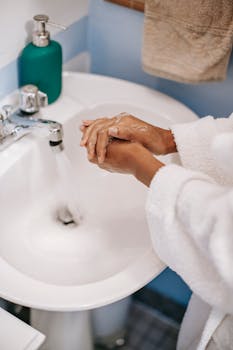
Antibacterial soap is designed to eliminate bacteria and reduce foot odor, a typical concern for those with sweaty feet. By targeting bacteria, this soap not only helps control odor but may also prevent infections that sweaty feet are prone to. Utilizing antibacterial soap can be a valuable addition to your daily hygiene routine to keep your feet fresh and healthy.
How Does Antibacterial Soap Work?
Antibacterial soaps contain active ingredients such as triclosan or triclocarban, which are formulated to kill bacteria. When applied to the skin, these compounds interact with bacterial cell membranes, breaking them down and preventing the cells from reproducing. This makes antibacterial soap effective at managing the bacteria that thrive in the warm, moist environment of sweaty feet.
Benefits of Using Antibacterial Soap
Using antibacterial soap for sweaty feet offers numerous advantages:
- Reduces odor: By eliminating bacteria, the soap helps to reduce foot odor.
- Prevents infections: A cleaner foot environment is less prone to fungal and bacterial infections.
- Improves comfort: Drier, cleaner feet feel more comfortable throughout the day.
How to Use Antibacterial Soap Effectively
For optimal results, focus on these steps when using antibacterial soap:
- Wash regularly: Use the soap daily, especially after activities that cause your feet to sweat.
- Focus on thorough cleansing: Ensure that you scrub between toes and around toenails, where bacteria often accumulate.
- Rinse and dry well: After washing, rinse thoroughly and dry your feet completely to prevent moisture buildup.
Complementary Practices for Managing Sweaty Feet
While antibacterial soap is effective, incorporating additional measures can enhance results:
- Wear breathable footwear: Opt for shoes made from materials that allow air circulation.
- Use moisture-wicking socks: Choose socks that draw moisture away from the skin.
- Consider foot powders: Applying an antifungal powder can further reduce moisture and odor.
When to Seek Professional Advice
If you notice persistent issues with sweaty feet despite using antibacterial soap, consider consulting a healthcare provider. They can determine if an underlying condition, such as hyperhidrosis, is contributing to the problem. Additionally, persistent foot odor or discomfort can indicate an infection that requires medical treatment.
For more healthcare insights, you might want to read our article on research linking anxiety and heart rate.
For a broader understanding of personal health, visit Health Information on Wikipedia.
Final Thoughts
Incorporating antibacterial soap for sweaty feet into your daily routine can significantly improve foot hygiene and comfort. By controlling bacteria and odor, it offers a simple yet effective solution for those struggling with this common issue. Remember, maintaining good foot hygiene is vital for overall health and wellness.
- Antibacterial soap may help manage bacteria and reduce foot odor.
- It should be combined with breathable footwear and moisture-wicking socks for best results.
- If problems persist, consulting a healthcare provider is recommended.
FAQs
Can antibacterial soap completely eliminate foot odor?
While antibacterial soap can significantly reduce foot odor by targeting bacteria, complete elimination may require additional measures like using foot powders and wearing breathable shoes.
How often should I use antibacterial soap on my feet?
It’s best to use antibacterial soap daily, especially after activities that result in sweaty feet, to maintain optimal hygiene.
Are there any side effects of using antibacterial soap?
Some individuals may experience skin irritation or dryness. It’s important to rinse thoroughly and consider using a moisturizer if dryness occurs.
Can children use antibacterial soap for sweaty feet?
Yes, but it’s advisable to choose a mild formula and monitor for any signs of irritation. Consulting with a healthcare provider can offer personalized advice.
What other strategies can help with sweaty feet?
Besides antibacterial soap, wearing appropriate footwear, using talcum powder, and keeping feet dry can be effective strategies for managing foot sweat and odor.