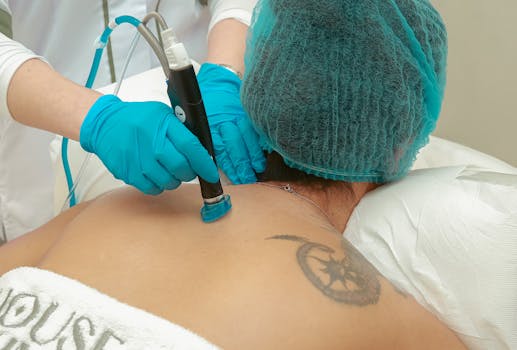
In the ever-evolving world of cosmetic treatments, ultherapy ultrasound has emerged as a popular non-invasive procedure for achieving youthful skin. Unlike surgical face-lifts, ultherapy offers a unique method that utilizes ultrasound technology to tighten and lift the skin without incisions or downtime. This treatment has gained traction among those seeking subtle, natural-looking results.
Understanding Ultherapy Ultrasound
Ultherapy ultrasound technology uses focused ultrasound energy to target the deeper layers of the skin. This energy stimulates the body’s natural collagen production process, resulting in a firmer and more lifted appearance. Unlike other treatments, ultherapy can precisely target these deeper layers without affecting the surface of the skin, which means there is no recovery time needed.
How Does Ultherapy Work?
The ultherapy procedure typically begins with a skilled clinician who uses an ultrasound device to visualize the layers of tissue being treated. The practitioner can then deliver focused ultrasound energy at the optimal depth and temperature. This precision ensures that the treatment stimulates the production of new collagen fibers, which gradually improve skin firmness and lift over time.
Who Can Benefit from Ultherapy?
Ultherapy is ideal for individuals who are experiencing mild to moderate skin laxity. This includes people noticing a sagging brow, loose neck skin, or lines and wrinkles on the chest. It’s a suitable treatment for those who prefer a non-surgical option to refresh and rejuvenate their appearance.
While ultherapy results can vary, most clients notice an initial improvement soon after treatment, with more dramatic results appearing over the following months as the new collagen forms. It is worth noting that while ultherapy can provide significant improvements, it is not a replacement for traditional surgery in cases of severe skin sagging.
Safety and Side Effects
Ultherapy is generally considered safe with minimal side effects. Most patients experience slight redness or swelling immediately after the procedure, which typically resolves within a few hours. Some people may experience temporary tingling or tenderness, but these effects are usually mild and disappear shortly.
As with any medical procedure, it’s crucial to have a comprehensive consultation with a qualified practitioner to discuss potential risks and to ensure that ultherapy is the right choice for your skin concerns.
The Science Behind Ultrasound Energy in Ultherapy
Ultrasound technology has been used in various medical applications for decades. In the context of ultherapy, the focused ultrasound is able to reach deeper skin layers than non-invasive treatments typically can. This depth is necessary to stimulate collagen production effectively.
Researchers continue to study the broader applications of ultrasound in medicine. Those interested in the science behind this technology can explore detailed articles on its development through credible resources such as this article on ultrasound in health.
Benefits of Choosing Ultherapy
- Non-Invasive: No needles, no surgery, and no recovery time needed.
- Natural Results: Gradual looking results that improve over time as new collagen forms.
- Convenient: Fast treatment sessions that can easily fit into a busy schedule.
For those seeking an overview of how non-invasive treatments like ultherapy contribute to overall wellness and mental health, consider learning about the science behind activities that boost your brain.
Cost and Considerations
The cost of ultherapy can vary depending on the treatment area and the practitioner’s fees. It’s generally on par with other cosmetic procedures but often lower than surgical alternatives. It’s advisable to consult with a reputed clinic to get a personalized quote and payment options. Always seek treatments from trained professionals to maximize both safety and efficacy.
Final Thoughts
Ultherapy ultrasound provides a promising option for those seeking to improve the look of their skin without the need for invasive surgery. As our understanding of ultrasound technology continues to grow, so do the potential benefits of ultherapy in promoting healthy, youthful skin.
- Ultherapy uses ultrasound technology to stimulate collagen.
- This non-invasive treatment requires no downtime.
- Most people will experience mild side effects that resolve quickly.
- The procedure is mainly for those with mild to moderate skin laxity.
- Consult a professional to determine if ultherapy is right for you.
FAQ
What is ultherapy?
Ultherapy is a non-invasive treatment that uses ultrasound technology to lift and tighten the skin by stimulating collagen production.
How long do results from ultherapy last?
Results can last up to a year or more, depending on individual skin conditions and aging processes.
Is ultherapy painful?
Some patients report mild discomfort during the procedure, but it is typically well-tolerated with minimal pain.
How soon can I see results from ultherapy?
While some effects can be seen immediately, the full results develop over 2-3 months as collagen rebuilds.
Can ultherapy replace a surgical facelift?
Ultherapy is not a replacement for a facelift in cases of severe sagging, but it is an effective option for subtle lifting and tightening.