Liposuction, often referred to as “lipo,” is a popular cosmetic procedure aimed at removing excess fat from specific areas of the body. A common concern for those considering this procedure is understanding lipo swelling before and after. This swelling is a normal part of the healing process, and knowing what to expect can help alleviate worries and ensure a smoother recovery.
Understanding Lipo Swelling Before and After
Swelling after liposuction is an expected part of the body’s natural healing process. While it may seem concerning, understanding the timeline and stages of swelling can help you prepare both physically and mentally. Generally, swelling is most pronounced in the initial weeks following the procedure. Over time, the body begins to adjust, and swelling decreases, revealing the final results.
Causes of Swelling After Liposuction
Swelling occurs due to the body’s inflammatory response to surgery. When fat is removed, the space left behind can fill with fluid, causing swelling. The body naturally sends extra blood and cells to the area to promote healing, contributing to this temporary puffiness.
The Timeline of Recovery: Liposuction Swelling Before and After
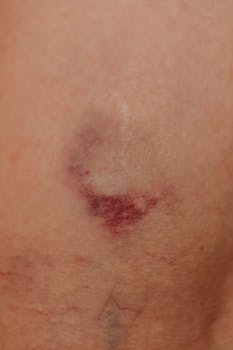
The initial phase of swelling typically peaks within the first 48 to 72 hours post-surgery. Patients may also experience bruising and discomfort during this time. By the end of the first week, swelling should gradually begin to subside.
One month after the procedure, most of the swelling may have diminished, although some residual swelling can persist for several months. By the six-month mark, patients usually notice a considerable reduction in swelling, allowing the full results of the liposuction to become evident.
Managing Swelling: Tips and Techniques
There are several ways to manage and reduce swelling after liposuction:
- Compression Garments: Wearing compression garments is a crucial part of post-operative care. These garments help reduce swelling by preventing fluid build-up, providing support, and aiding skin adjustment.
- Hydration: Drinking plenty of water supports the body’s natural recovery mechanisms and helps reduce bloating.
- Diet: Maintaining a balanced diet rich in vitamins and minerals can support healing. Reducing salt intake is recommended to prevent additional fluid retention.
- Movement: Light activities, such as short walks, can promote circulation and help decrease swelling. However, intense exercise should be avoided until approved by a healthcare provider.
When to Consult Your Surgeon
While some degree of swelling is normal, certain symptoms require medical attention. If you experience excessive pain, unusual swelling beyond the typical time frame, or any signs of infection, it’s important to contact your surgeon promptly.
For more tips on liposuction and recovery, you can explore our detailed guide on expert tips and FAQs for liposuction and BBL.
The Emotional Journey: Lipo Swelling Before and After
Undergoing liposuction isn’t just a physical journey but an emotional one as well. It’s important to have realistic expectations about the healing process and the changes to your body. Understanding liposuction swelling before and after helps manage expectations and contributes to a more positive outlook on the overall results.
Takeaways
- Swelling is a natural and temporary response to liposuction surgery.
- Recovery includes several stages, with most swelling subsiding within six months.
- Managing swelling is key to a smoother recovery and achieving the desired results.
- Consult your surgeon if you experience unusual symptoms during recovery.
- Stay informed and prepared through reliable resources and expert guidance.
Frequently Asked Questions
Is swelling after liposuction permanent?
No, swelling is not permanent. It is a temporary effect of the healing process and generally resolves within a few months.
How long does it take for the swelling to subside after liposuction?
Swelling typically begins to decrease within the first week after surgery and can take up to six months to fully resolve.
Are there risks associated with liposuction swelling?
Swelling is a normal part of recovery, but excessive or prolonged swelling should be evaluated by a surgeon to rule out complications.
What can I do to minimize swelling post-liposuction?
Wearing compression garments, staying hydrated, eating a low-sodium diet, and engaging in light activity can help reduce swelling.
Is it normal to experience emotional changes during recovery?
Yes, it’s normal to experience a range of emotions after surgery. Being prepared and informed can help manage these feelings effectively.
For more extensive information on health-related topics, visit the Health page on Wikipedia.