Mosquito bites are a common annoyance that can lead to itching and irritation. Many people don’t realize that soap for mosquito bites can provide both relief and aid in the healing process. By understanding the benefits of using soap, you can help soothe your skin and reduce the discomfort associated with these pesky bites.
The Role of Soap for Mosquito Bites
When it comes to treating mosquito bites, soap can serve an important function. The cleansing properties of soap can help remove irritants and bacteria from the skin, which may reduce the risk of infection. Additionally, the mild antibacterial effects of many soaps can contribute to faster healing.
Why Soap Works on Mosquito Bites
Soap simply works because it cleanses the bite area. When you apply soap, it helps to break down oils and dirt on the skin, ensuring that the area remains clean. This is particularly important because mosquito bites can become itchy, leading to scratching that might introduce bacteria into the broken skin.
The application of soap can also have a soothing effect. Certain types of soap are formulated with ingredients that may provide relief by hydrating the skin or reducing inflammation. However, it’s important to select a mild soap, as harsh chemicals might further irritate the skin.
Choosing the Right Soap
When selecting soap for mosquito bites, opt for one that is gentle and preferably fragrance-free. Fragrances and dyes can sometimes exacerbate irritation, especially for individuals with sensitive skin. Natural soaps containing ingredients like aloe vera or oatmeal can be particularly soothing for inflamed skin.
For those interested in innovative solutions, you might want to read about the benefits of using specially formulated soaps that have earned recognition for their healing properties.
How to Use Soap Effectively on Mosquito Bites
To maximize the benefits of soap for mosquito bites, it’s essential to apply it correctly. Here are the steps you can follow:
- Gently wash the affected area with water.
- Apply a small amount of soap to the mosquito bite and create a lather.
- Rinse thoroughly with water and pat dry with a clean towel.
- Consider applying a moisturizer or an anti-itch cream to further soothe the skin.
Complementary Remedies for Mosquito Bites
While soap is a practical and easily accessible solution, there are other remedies that can complement its effects and provide additional relief:
- Cold Compress: Applying a cold compress can reduce swelling and numb the area, decreasing the urge to scratch.
- Aloe Vera: Known for its soothing properties, aloe vera can be applied to the affected area to hydrate and heal the skin.
- Calamine Lotion: This topical treatment can help relieve itching and dries out any excessive moisture on the skin.
Understanding Mosquito Bites
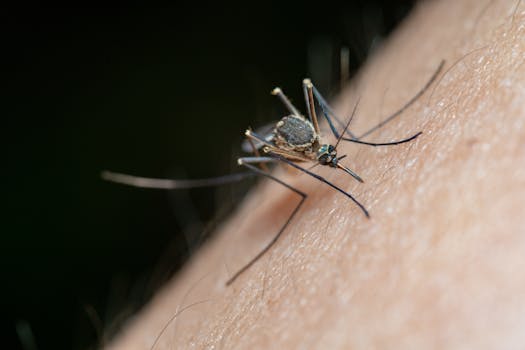
Mosquito bites occur when a mosquito pierces the skin to feed on blood. The body’s immune response to the mosquito’s saliva is what causes the familiar itchy bump. While most bites are harmless, for some individuals, the reaction can be more severe. In rare cases, bites can transmit diseases.
It is essential to monitor bites for signs of infection, such as increased redness, swelling, or pus. If symptoms become severe or persistent, consulting a healthcare provider is advisable.
When to Seek Medical Attention
While most mosquito bites resolve on their own without intervention, there are situations where medical attention may be necessary. Seek professional advice if:
- You experience flu-like symptoms following a bite, which could indicate an insect-borne illness.
- The bite site becomes increasingly painful or swollen.
- A rash develops that spreads beyond the area of the bite.
For a broader understanding of skin health and treatments associated with various skin conditions, consider exploring resources available on Wikipedia.
Prevention is Key
Although effective treatments like soap exist for mosquito bites, prevention remains the best approach. To reduce the risk of being bitten by mosquitoes:
- Wear long-sleeved clothing and pants when outdoors.
- Use insect repellent on exposed skin and clothing.
- Eliminate standing water near your home to reduce mosquito breeding sites.
By taking these precautionary measures, you can enjoy the outdoors without the discomfort of mosquito bites. Remember, the right products, including soap for mosquito bites, are important allies in both treating and preventing these unwelcome nuisances.
Final Thoughts on Soap for Mosquito Bites
Using soap for mosquito bites can be an effective method to help manage the irritation and potential infection associated with these common skin issues. Keeping the affected area clean and choosing the appropriate soap can significantly aid in the healing process. Alongside other remedies, soap is a vital component of an effective mosquito bite treatment plan.
- Soap can help clean and soothe mosquito bites.
- Choose mild, fragrance-free soaps for optimal results.
- Consider cold compresses and aloe vera as complementary treatments.
- Monitor bites for any signs of infection.
- Take proactive steps to prevent mosquito bites.
FAQs
What is the best type of soap for mosquito bites?
Opt for a mild, fragrance-free soap, as it minimizes additional irritation. Natural ingredients like aloe vera can also be beneficial.
How often should I use soap on a mosquito bite?
Wash the area as needed to keep it clean, typically once or twice a day, and follow up with soothing treatments if necessary.
Can soap completely heal a mosquito bite?
While soap can aid in cleansing and soothing a bite, it’s not a cure. It complements other remedies to support the healing process.
Are there any risks associated with using soap on mosquito bites?
If the soap is too harsh, it may cause further irritation. Always choose products designed for sensitive skin.
Should I consult a doctor for persistent mosquito bite symptoms?
Yes, if you experience severe reactions, increased swelling, or signs of infection, seek advice from a healthcare professional.