Plasma skin resurfacing is an innovative and non-invasive cosmetic procedure designed to improve skin texture, tone, and overall appearance. By utilizing plasma energy, this technique targets various skin concerns such as fine lines, wrinkles, sun damage, and acne scars. The process involves the use of a device that delivers plasma to the skin’s surface, stimulating collagen production and encouraging natural healing processes. As a result, many individuals seek plasma skin resurfacing for its ability to rejuvenate and revitalize the skin without the need for extensive downtime or surgical intervention.
The Benefits of Plasma Skin Resurfacing
Plasma skin resurfacing offers numerous benefits for those looking to enhance their skin’s health and appearance. This procedure is renowned for its ability to:
- Reduce the appearance of fine lines and wrinkles
- Improve skin texture and tone
- Minimize sunspots and hyperpigmentation
- Encourage collagen production
- Smooth out acne scars and other blemishes
By promoting the skin’s natural healing abilities, plasma skin resurfacing can result in a more youthful and refreshed appearance, making it a popular choice for individuals seeking non-surgical skin rejuvenation solutions.
How Plasma Skin Resurfacing Works
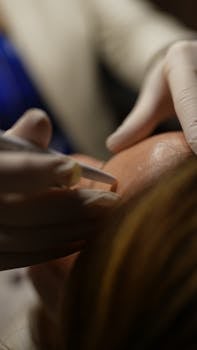
The plasma skin resurfacing procedure involves several steps designed to ensure optimal results and patient comfort. During the treatment, a specialized device is used to deliver controlled plasma energy to the targeted areas of the skin.
This process triggers the removal of the outermost layer of skin, known as the epidermis, while simultaneously heating the underlying dermal layer. This dual action stimulates the skin’s ability to regenerate and produce collagen, creating a firm and smooth texture.
Patients typically experience only mild discomfort during the procedure, akin to a warm, tingling sensation. The epidermis heals quickly, leading to significant improvements in skin quality over time.
Comparing Plasma Skin Resurfacing with Other Techniques
While plasma skin resurfacing is popular, it’s important to understand how it compares to other skin treatment methods such as laser resurfacing or chemical peels.
Laser resurfacing uses concentrated light beams to remove the skin’s outer layers and promote collagen production. Although effective, laser methods can require more downtime due to the intensity of the treatment.
Chemical peels involve applying a chemical solution to exfoliate and peel away the damaged top skin layers. They can vary in strength and recovery time, but may lack the precision of plasma technology.
Plasma skin resurfacing, in comparison, offers a unique balance by delivering energy in a controlled manner, typically resulting in less downtime and a more predictable healing process.
Ideal Candidates for Plasma Skin Resurfacing
While plasma skin resurfacing can benefit a wide range of individuals, it’s particularly advantageous for those with specific skin concerns. Ideal candidates include individuals who:
- Have fine lines and wrinkles
- Experience changes in skin texture due to sun damage
- Seek to minimize the appearance of acne scars
- Want to improve skin tone irregularities
It is crucial for potential candidates to have a consultation with a qualified dermatologist or cosmetic professional to discuss goals and determine the most appropriate treatment plan. For more insights into non-surgical cosmetic procedures, explore our Botox treatment guide.
Understanding the Plasma Skin Resurfacing Procedure
The procedure typically begins with the application of a topical anesthetic to minimize any discomfort. Once the skin is prepared, the practitioner uses the plasma device to treat the specific areas, carefully controlling the energy levels and treatment depth to suit the skin’s needs.
Post-treatment, patients often experience a mild redness and swelling, which usually subsides within a few days. As the skin heals and regenerates, you’ll notice a gradual improvement in the treated area’s appearance.
To optimize results and ensure a smooth recovery, it’s important to follow the aftercare instructions provided by your skincare professional, which often include keeping the skin moisturized and protected from sun exposure.
Potential Risks and Considerations
Although plasma skin resurfacing is generally safe, like any cosmetic procedure, it carries certain risks and considerations. Some potential side effects may include:
- Redness and swelling
- Mild pain or discomfort
- Temporary skin discoloration
- Risk of infection if not properly cared for
It’s vital to discuss any concerns with your healthcare provider before undergoing treatment. If you have a history of skin sensitivities or are prone to scarring, mention it during your consultation to ensure plasma skin resurfacing is suitable for you. For further information about the procedure and potential risks, visit Health on Wikipedia.
Plasma Skin Resurfacing: Conclusion
Plasma skin resurfacing is a promising option for those looking to rejuvenate and improve their skin without resorting to surgery. By promoting collagen production and accelerating the body’s natural healing processes, it may effectively address various skin concerns, from fine lines to acne scars. For anyone considering this treatment, consulting with a skincare professional is a critical step to ensure safety and optimal results.
- Plasma skin resurfacing can minimize fine lines and improve skin texture.
- The procedure uses controlled plasma energy to stimulate collagen production.
- Ideal candidates are those with sun-damaged skin and fine lines.
- Discuss any skincare concerns with a professional before undergoing treatment.
- Post-treatment care is essential for a smooth recovery.
FAQs
What is plasma skin resurfacing?
Plasma skin resurfacing is a non-invasive cosmetic treatment using plasma energy to rejuvenate the skin by removing damaged layers and stimulating collagen production.
How long does it take to see results from plasma skin resurfacing?
Most patients notice improvements within several days, with optimal results becoming visible as the skin continues to heal and produce collagen over the subsequent weeks.
Is plasma skin resurfacing painful?
While some discomfort can be experienced, akin to a warm, tingling sensation, the application of a topical anesthetic often minimizes discomfort during the procedure.
How does plasma skin resurfacing compare to other treatments?
Compared to laser resurfacing or chemical peels, plasma skin resurfacing typically offers less downtime and more predictable results by delivering energy in a controlled manner.
Can all skin types undergo plasma skin resurfacing?
Though generally safe for various skin types, a consultation with a skincare professional is crucial to tailor the treatment to individual needs and ensure no adverse reactions occur.