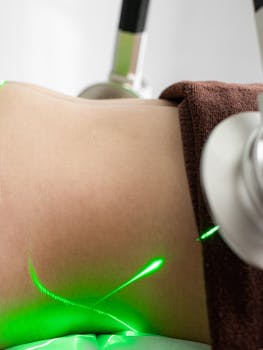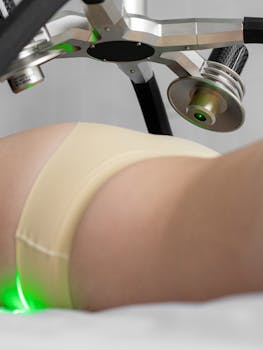
Understanding the various types of treatment laser options available today is essential for so many people looking to address skin concerns, remove unwanted hair, or tackle serious medical conditions. With advancements in technology, laser treatments have become a common and effective choice in dermatology, offering a variety of solutions from aesthetic improvements to medical treatments.
Types of Treatment Laser Procedures
Lasers are utilized in a wide array of forms across different medical and cosmetic fields. When it comes to dermatology, lasers are commonly used for procedures like hair removal, skin resurfacing, and treatment of vascular lesions. Other types of lasers can address acne scars and pigmentation issues.
Dermatological Laser Options
Several laser options exist within dermatological laser treatments. For instance, CO2 lasers are often used for skin resurfacing to smooth out lines and wrinkles. Fractional lasers can help repair sun-damaged skin, while Q-switched lasers are typically used for tattoo removal. Each laser serves a unique purpose depending on the individual’s needs.
What is Lasering in Medical Treatments?
Lasering involves the use of concentrated light energy to target and treat specific tissues. In medical settings, it plays a crucial role in eye surgeries, dental treatments, and even some cancer treatments. The precision of lasers allows for effective interventions with minimal damage to surrounding tissues.
Benefits and Risks of Laser Therapy
Like any laser treatment surgery, there are both benefits and risks. The precision of lasers often results in less recovery time and reduced pain compared to traditional surgical options. However, it is essential to be aware of potential side effects like skin irritation, pigmentation changes, or scarring.
Advantages of a Laser Procedure
Lasers provide high precision, targeting specific tissues without affecting adjacent areas. This minimizes downtime and maximizes effectiveness. They’re less invasive, leading to shorter recovery periods. For those interested in skin care, lasers can significantly improve texture, reduce scars, and treat wrinkles or pigmentation.
Potential Side Effects of Laser Treatments
While laser technique is generally safe, it does carry some risks. Some patients may experience redness, swelling, or changes in skin color. These effects are usually temporary, but understanding the risks and discussing them with a healthcare provider is crucial before proceeding.
Preparing for Treatment Laser
Before undergoing laser treatment, a thorough consultation with a healthcare provider or a dermatologist is vital. They will assess your skin type, medical history, and treatment goals. It’s significant to follow pre-procedure instructions to minimize risks.
What to Expect
The first step in any laser therapy is understanding the specific goals and expectations of the procedure. Preparation may involve avoiding sun exposure and ceasing the use of certain medications. A precise laser target and application will be outlined during consultation.
The recovery process varies based on the type of laser treatment surgery and the individual’s skin. Common aftercare includes avoiding sunlight and using gentle skin care products. Always adhere to the specific instructions given by your healthcare provider.
Recovery and Results
The recovery process following a laser procedure involves several stages. Swelling and redness are common initially, followed by skin flaking or crusting as the skin heals. Full results can take weeks to months to appear, but they often lead to significant aesthetic improvements.
The longevity of results depends on the type of dermatology laser treatment conducted and individual skin characteristics. For some, follow-up treatments may be necessary to maintain the best results.
Long-Term Care and Maintenance
Post-treatment care is crucial to maintaining results. This might include regular moisturizing, protection from UV rays, and possibly using specific skincare products. Routine check-ups with your dermatologist ensure that your skin remains healthy and clear.
For more detailed advice on skin treatment timelines, consider reading our guide on recovery timelines for various procedures.
Conclusion
With the variety of options available, treatment laser solutions offer tailored approaches for many skin and health issues. Exploring these options with a qualified professional ensures the best and safest outcomes. As always, understanding the procedure, recovery, and maintaining realistic expectations can help you achieve the desired results.
- Lasers are widely used in dermatology for cosmetic and medical procedures.
- Different laser types serve specific functions, such as skin resurfacing and hair removal.
- Discussing potential risks and benefits with a healthcare provider is essential.
- Recovery and results vary, requiring personalized aftercare strategies.
- Long-term skin care practices help maintain treatment outcomes.
What are the types of treatment lasers available?
Treatment lasers range from CO2 and fractional lasers to Q-switched lasers, each serving specific purposes like resurfacing, scar removal, and tattoo removal.
How should one prepare for a laser procedure?
Preparation includes consulting with a specialist, adhering to pre-treatment instructions, avoiding sun exposure, and possibly adjusting current skincare routines.
What are the typical recovery symptoms after a laser procedure?
Common symptoms include redness, swelling, and mild discomfort. These usually subside in a few days, with complete healing varying depending on the treatment and individual.
Are there long-term benefits to dermatology laser treatment?
Yes, these treatments often lead to long-lasting improvements in skin appearance, texture, and overall quality, provided that appropriate aftercare is followed.
Where can I find more information on laser treatments?
For further reading, consider visiting reputable sources such as this Wikipedia article on health to explore more about the science and applications of laser treatments.