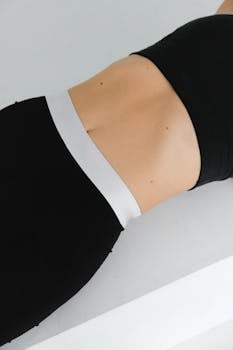
Abdominal compression garments have become an integral part of many people’s wellness routines, providing support and comfort after surgery, during workouts, or even in daily wear. These garments are designed to fit snugly around the belly area, offering various benefits from promoting healing to enhancing the contours of your body. In this article, we will delve into how these garments can transform your wellness journey, understanding their features, benefits, and how to incorporate them effectively into your lifestyle.
Understanding Abdominal Compression Garments
Abdominal compression garments are specifically engineered to apply gentle pressure to the midsection. These garments can vary in style and material, but they all serve a common purpose: to support the abdomen area comfortably. Whether you’re recovering from surgery or looking for added support during exercise, an abdominal compression garment can be an excellent choice for optimizing wellness.
The Benefits of Abdominal Compression Garments
The primary appeal of stomach compression garments lies in their ability to aid recovery and improve daily comfort. Below are some of the key benefits:
- Support Post-Surgery Recovery: After procedures like a tummy tuck or cesarean section, an abdomen compression garment can help reduce swelling and support healing.
- Enhance Posture and Confidence: Wearing a well-fitting belly compression garment can modestly improve posture by supporting the abdominal muscles, enhancing your overall stance and confidence.
- Pain Reduction and Support: By compressing the abdominal area, these garments may help in reducing minor aches and providing core support.
- Improve Workout Effectiveness: Some individuals find these garments help them focus on their core muscles, enhancing the effectiveness of abdominal workouts.
Choosing the Right Compression Garment
With various options available, selecting the right compression abdominal garment can feel overwhelming. Here are some tips to guide your choice:
- Consider the material: Look for breathable, hypoallergenic materials to ensure comfort throughout the day.
- Ensure proper sizing: A well-fitting garment maximizes benefits, so accurate measurements are crucial.
- Define the purpose: Whether for recovery, workout support, or daily wear, identify your primary usage to select the best type.
Once you’ve found the right garment, incorporating it into your routine is straightforward. Many people wear them under clothing for discrete support throughout the day.
How to Wear and Care for Abdominal Compression Garments
Integrating your newly chosen garment into your life involves proper wearing techniques and care:
Steps to Wearing Your Garment
Achieving the best results with a belly compression garment involves correct wearing methods:
- Begin with clean, dry skin to avoid irritation.
- Step into the garment or wrap it around your abdomen, adjusting straps or fastenings as necessary.
- Avoid overly tight fits, which may hinder circulation or cause discomfort.
Caring for Your Garment
Maintaining your compression garment ensures its longevity and effectiveness:
- Hand wash in lukewarm water with mild detergent to preserve elasticity and fabric quality.
- Air dry flat away from direct sunlight to prevent degradation of the material.
- Regularly check for wear and tear, replacing the garment as necessary.
Expert Insights: When to Avoid Compression Garments
Though generally safe for most users, there are circumstances where caution is advised. For instance, those with specific medical conditions such as severe cardiovascular issues should consult a healthcare professional before use. If you’re interested in learning more about expert guidance on compression garments, particularly post-surgery, consider reading this detailed article on expert tips and FAQs post-surgery.
Transforming Your Routine with Compression Garments
The incorporation of an abdominal compression garment into your lifestyle can significantly support various aspects of wellness. Whether for medical recovery or everyday support, these garments offer multifaceted benefits tailored to meet diverse needs. By understanding your personal goals and body, you can make the most of this wellness tool.
For more comprehensive insights into compression wear, you can explore resources like this Wikipedia article on compression garments that discusses their applications and developments.
- Abdominal compression garments provide support during recovery, workouts, and daily life.
- Proper fit and material choice enhance the garment’s effectiveness.
- Regular washing and care maintain the quality of the garment.
- Consult healthcare professionals if you have medical concerns before use.
- Compression garments can enhance posture, confidence, and core support.
FAQs about Abdominal Compression Garments
How tight should an abdominal compression garment be?
The garment should be snug but not overly tight, allowing for comfortable movement without restricting circulation.
Can anyone wear a belly compression garment?
Most people can wear these garments, but those with pre-existing medical conditions should consult a healthcare provider first.
How long can I wear a stomach compression garment each day?
Usage duration varies per individual goals and needs. Start with a few hours daily and adjust based on comfort and doctor’s advice.
Do abdominal compression garments help with weight loss?
While they can enhance appearance and support workouts, they are not a substitute for a healthy diet and exercise routine for weight loss.
Are there any side effects of wearing compression garments for too long?
Overuse may lead to discomfort or skin irritation. It’s crucial to follow wear time guidelines and consult with healthcare professionals as needed.
Abdominal compression garments can be a valuable addition to your wellness toolkit, offering support and benefits across different scenarios. Remember, as with any wellness product, it’s essential to consider personal health circumstances and consult professionals when needed.