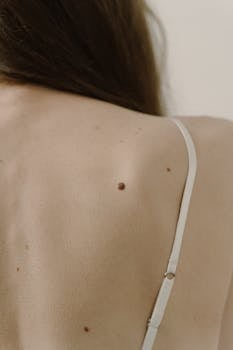
If you’ve undergone a cryotherapy procedure to remove a mole and the freezing mole didn’t work as expected, you’re not alone. This method, often hailed for its quick and relatively painless approach, doesn’t always deliver the anticipated results. Understanding why this happens and what steps to take next is crucial for your skin health.
Why Freezing Mole Didn’t Work
Several factors can contribute to the inefficacy of freezing a mole. One key reason is the depth and size of the mole. Cryotherapy might not penetrate deeply enough to reach the full extent of larger moles. Similarly, the nature and type of the mole can affect the outcome. Some moles, especially those that are not purely superficial, require more aggressive or alternative treatments.
Depth and Size of the Mole
For larger or deeper moles, cryotherapy may not be sufficient. This is because the cold may not penetrate all the layers needed to entirely eliminate the mole. In some cases, a dermatologist will suggest a second round of treatment or consider excising the mole surgically for complete removal.
Nature of the Mole
Moles that have atypical characteristics or are particularly fibrous might not respond well to freezing. The internal structure of such moles may withstand the cold, making it necessary to explore other treatment options. Your healthcare provider can assess the mole’s nature and suggest the best course of action.
Technical Factors
The technique used during the procedure might also impact its success. The precision of the application and the duration the cold is applied can vary, influencing the efficacy. A skilled dermatologist should be consulted for optimal results.
What to Do If Freezing Mole Didn’t Work
If the freezing mole didn’t work, the first step should be a follow-up appointment with your dermatologist. Professional assessment is necessary to decide whether to attempt another cryotherapy session, or if alternative treatments are appropriate. Here are some next steps to consider:
- Observation: In cases where moles appear benign, monitoring over time may be advised, especially if no immediate risk is identified.
- Surgical Removal: For permanent removal, surgical excision promises a more definitive solution. It is especially recommended for suspicious moles.
- Laser Therapy: For those adverse to surgical options, laser therapy offers an alternative. It utilizes intense light to target mole pigments precisely.
Potential Risks and Considerations
While cryotherapy is generally safe, it’s essential to consider potential side effects such as skin pigmentation changes, scarring, or incomplete mole removal. Speaking with your healthcare provider about these risks can help guide informed decisions.
Alternative Treatments
Exploring options beyond cryotherapy may yield better results. Laser treatments or traditional excision are viable alternatives. Additionally, understanding the limitations of freezing moles can help set realistic expectations for treatment outcomes.
Working with Your Dermatologist
Successful mole treatment often hinges on collaboration with a qualified dermatologist. They can provide insights into why the initial treatment failed and suggest personalized solutions. It’s crucial to communicate openly about your concerns and expectations to identify the best path forward.
Moreover, exploring complementary wellness strategies for skin health might be beneficial. To learn more about maintaining holistic health, you might find our article on overcoming barriers to maintaining a healthy weight insightful.
For further reading about mole treatment and skin health, consult a comprehensive source like the Health Wikipedia page for general knowledge.
Ultimately, if the freezing mole didn’t work, collaborating with your dermatologist to explore alternative solutions is crucial. Whether through surgery, lasers, or observing and monitoring benign moles, a tailored approach will best support your skin’s health and appearance.
- Cryotherapy is effective for many, but not all moles, depending on depth and size.
- Follow-up with a dermatologist is essential if cryotherapy fails.
- Alternative treatments may include surgical removal or laser therapy.
- Clear communication with healthcare providers enhances treatment outcomes.
- Understanding all options and potential risks is key to effective care.
FAQ
What is cryotherapy?
Cryotherapy is a treatment that uses extreme cold to freeze and remove abnormal tissues, such as moles, from the skin.
Why might cryotherapy not work for moles?
Factors such as the depth, size, or type of mole can influence the effectiveness of cryotherapy. Additionally, technique and application play roles in whether a mole is successfully removed.
What should I do if my mole does not disappear after freezing?
If your mole does not respond to cryotherapy, scheduling an appointment with your dermatologist is crucial. They can assess the situation and recommend subsequent treatments.
Are there alternatives to freezing for mole removal?
Yes, surgical excision and laser treatments are common alternatives to cryotherapy. The best option depends on the mole’s characteristics and should be discussed with your doctor.
Can all moles be treated with cryotherapy?
No, not all moles are suitable for cryotherapy. A dermatologist can help determine if cryotherapy is a viable option based on the mole’s size and nature.