Oral health often challenges us more than we realize. For instance, have you ever considered the threat of a cavity between molar teeth? These hidden cavities can be easily overlooked during regular check-ups but can lead to significant oral health issues if not addressed promptly. This article will shed light on these elusive dental concerns and help you understand how to prevent and manage them effectively.
Cavity Between Molar Teeth: Understanding the Hidden Threat
A cavity between molar teeth occurs when food particles and bacteria accumulate in those hard-to-reach spaces. Over time, they can erode the enamel, leading to decay. Unlike cavities on easily visible surfaces, these cavities can go unnoticed until they cause significant discomfort or damage.
Causes of Cavities Between Teeth
The primary cause of cavities between back teeth is plaque buildup. When plaque isn’t removed through regular brushing and flossing, it hardens into tartar, providing a breeding ground for bacteria. These bacteria produce acids that attack tooth enamel, leading to cavities. Factors such as poor oral hygiene, a sugar-rich diet, and using tobacco can exacerbate this issue.
Identifying Cavities Between Your Teeth
These cavities sometimes show no symptoms until advanced stages. However, some signs may include sensitivity to hot or cold foods, bad breath, or noticing dietary changes due to discomfort. Regular dental check-ups remain crucial for early detection.
Prevention is Key
Preventing cavities between teeth involves rigorous oral hygiene practices. Brushing twice a day with fluoride toothpaste and flossing daily can significantly reduce the risk. Incorporating interdental cleaning tools, such as water flossers or interdental brushes, can help as well. Explore our guide on the best interdental brushes for optimal dental health to find more idea.
Treatment Options
If you suspect a cavity between your teeth, it’s essential to consult your dentist for proper diagnosis. Treatments may include fillings or, in severe cases, root canals. Your dentist might also suggest custom oral hygiene regimens to prevent future occurrences.
The Importance of Professional Dental Cleaning
Regular dental cleanings can remove plaque and tartar that you might miss during daily routines. These cleanings play a pivotal role in preventing cavities, especially between molars, where your brush and floss may not reach effectively.
Dietary Considerations
Diet plays a crucial role in oral health. Reducing sugar and acidic food intake can help minimize the risk of cavities. Opt for foods rich in fiber and calcium to promote strong teeth and healthy gums.
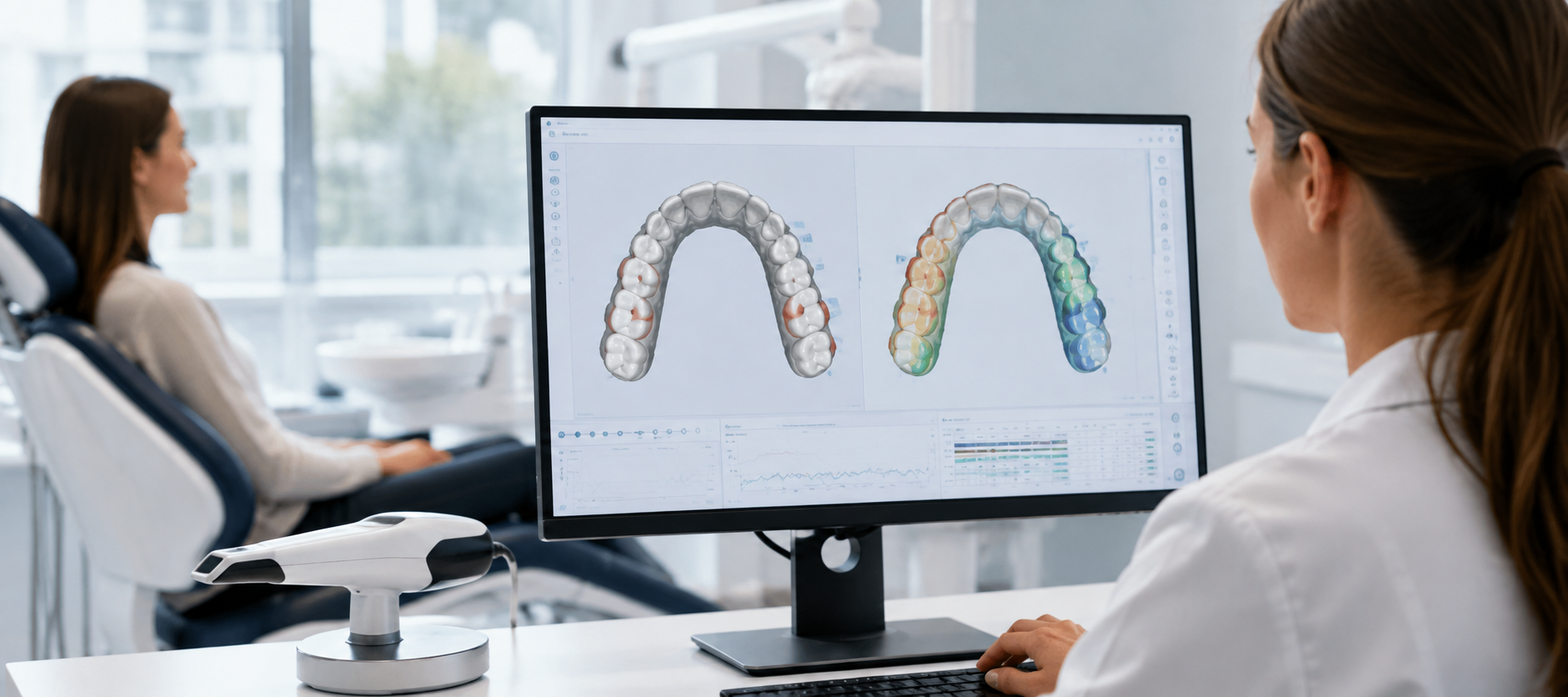
Embrace Technology for Better Dental Health
Technology offers innovative tools to simplify oral hygiene. Consider using electric toothbrushes and smart dental devices that provide feedback on your brushing habits. These technologies can assist in ensuring comprehensive cleaning.
Conclusion
The discovery of a cavity between molar teeth doesn’t mean the end of the world. With the right knowledge, preventive measures, and regular dental check-ups, you can tackle these dental challenges head-on. Prioritize your oral health for a brighter, healthier smile.
- Regular dental check-ups are essential for detecting cavities early.
- Consistent oral hygiene practices can prevent the formation of cavities.
- Dietary choices profoundly impact your oral health.
- Modern dental technology can simplify maintaining oral hygiene.
- Always consult a dentist for tailored dental care advice.
What are the symptoms of a cavity between teeth?
Common symptoms include sensitivity to hot or cold foods, pain while chewing, and possibly bad breath. However, cavities between teeth can sometimes show no symptoms until they become more severe.
How can I prevent cavities between my molars?
Maintain a strict oral hygiene regimen, including brushing twice daily, flossing, and using interdental cleaners. Regular dental visits for professional cleanings are also essential.
Are cavities between teeth common?
Yes, cavities between back teeth are fairly common as these areas are harder to clean effectively and often overlooked during routine brushing.
Can diet affect cavity formation?
Absolutely. Diets high in sugar and acidic foods can contribute to plaque buildup and the development of cavities. Opting for a balanced diet supports better oral health.
Where can I find more information about dental health?
For more comprehensive information on dental health, visit reputable sources like this external link for further reading.