Porcelain veneers have long been one of the most popular cosmetic dentistry treatments for improving the appearance of stained, chipped, uneven, worn, or slightly misaligned teeth. But veneer treatment today looks very different than it did even a decade ago.
Advances in digital dentistry, ceramic materials, artificial intelligence, and minimally invasive techniques are making veneers more precise, predictable, and conservative than ever before. Here’s what’s changed — and what it means if you’re considering veneers for yourself.
More Focus on Minimal-Prep Veneers
One of the most important developments in cosmetic dentistry is a growing emphasis on preserving natural tooth structure.
Traditional veneers often require removing a small amount of enamel before placing the ceramic restoration. Modern techniques increasingly favor minimal-prep or, in carefully selected cases, no-prep veneers instead.
Digital planning and preparation guides help dentists control exactly how much enamel is removed, so the restoration fits properly while preserving as much healthy tooth as possible. This matters clinically: veneers generally bond most predictably and durably to natural enamel rather than to exposed dentin.
No-Prep and Ultra-Thin Veneers
Ultra-thin porcelain veneers appeal to patients who want cosmetic improvement without significant alteration to their natural teeth.
No-prep veneers tend to work best for patients with:
- Small or naturally narrow teeth
- Minor gaps between teeth
- Mild discoloration
- Slightly worn teeth
- Teeth that could benefit from added volume
They’re not right for everyone, though. Patients with severely discolored teeth, significant crowding, prominent teeth, or major bite problems may still need some tooth preparation, or a different treatment altogether. A skilled cosmetic dentist should recommend no-prep treatment based on your specific case — not because it sounds like the more conservative option on paper.
Digital Smile Design Is Getting More Advanced
Digital smile design has changed how dentists plan cosmetic cases.
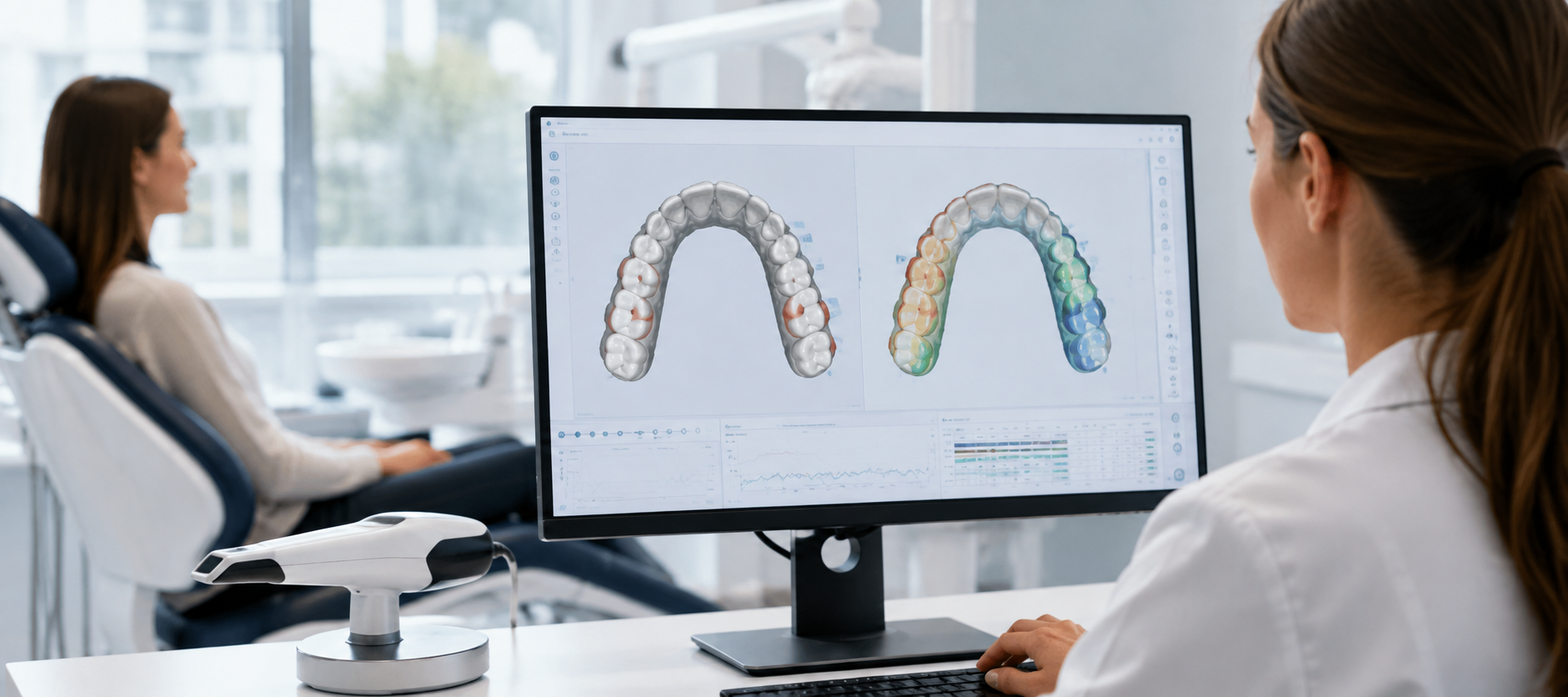
Using photographs, facial scans, intraoral scanners, and specialized software, dentists can build a digital preview of how your teeth might look before any treatment begins. This process evaluates factors like:
- Tooth length and width
- Smile symmetry
- Gum position
- Facial proportions
- Lip movement
- Tooth shape and alignment
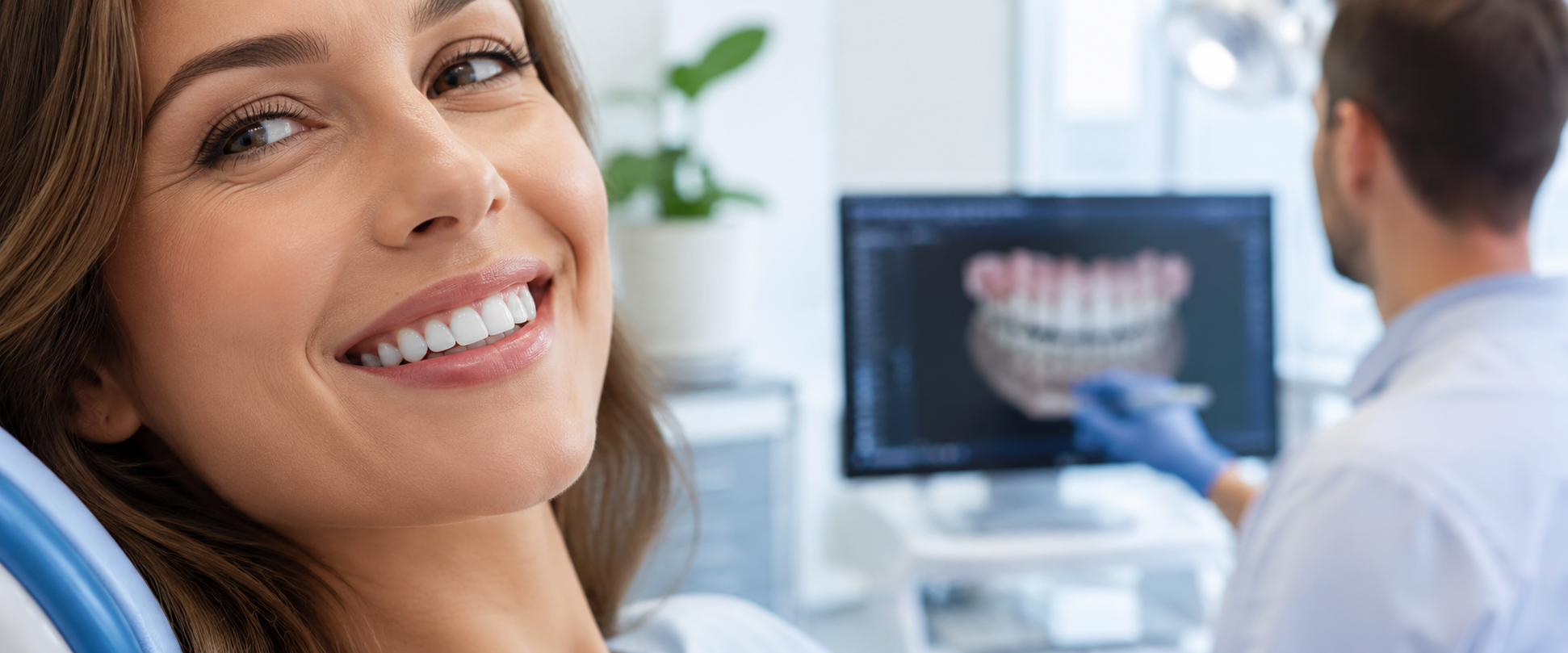
Many patients can also preview proposed changes through digital simulations or a temporary mock-up before committing to the final veneers — a meaningful shift from the old “hope it looks right” approach.
Artificial Intelligence in Smile Planning
AI is beginning to play a role in cosmetic dentistry as well. AI-assisted software can analyze facial features, tooth proportions, and smile characteristics to help generate potential treatment designs, speeding up planning and giving dentists more design options to consider.
That said, technology doesn’t replace the artistic judgment of an experienced cosmetic dentist. The most natural-looking veneers still depend on a trained eye for facial features, tooth anatomy, color, translucency, and individual patient preferences.
Lithium Disilicate Remains a Popular Ceramic Choice
Modern dental ceramics are stronger and more natural-looking than earlier generations of materials.
Lithium disilicate is widely used for veneers because it combines strength with excellent esthetics — it can mimic the translucency and light-reflecting qualities of natural enamel while holding up to everyday function.
Feldspathic porcelain is another highly esthetic option, particularly for extremely thin veneers or highly customized layering work.
The right material depends on tooth position, bite forces, remaining enamel, desired appearance, and how much tooth preparation the case requires.
Newer Zirconia Veneers
Highly translucent zirconia is also being explored for cosmetic restorations. Zirconia has traditionally been the go-to material for crowns and bridges because of its strength, and improvements in translucency have made newer formulations more visually appealing for veneers, too.
Still, porcelain and lithium-disilicate veneers have a longer clinical track record for highly esthetic front-tooth veneer treatment. Material choice should come down to the individual clinical situation — not simply picking whatever is newest on the market.
3D Printing Is Changing the Veneer Workflow
3D printing has become an increasingly important part of the cosmetic dentistry workflow. Dentists and labs now use it to create:
- Diagnostic models
- Smile mock-ups
- Tooth-preparation guides
- Temporary restorations
- Placement guides
- Treatment prototypes
Permanent 3D-printed veneer materials are in development, too. The technology is promising, but traditional ceramic veneers currently have a stronger long-term track record for patients who want maximum durability and natural esthetics.
Guided Veneer Preparation
Digitally guided tooth preparation is another meaningful innovation. After the final smile design is finalized digitally, dentists can create guides that show exactly where tooth reduction is needed and where enamel should stay untouched.
This helps reduce unnecessary removal of healthy tooth structure and makes the preparation process more consistent from tooth to tooth. Some digital workflows even guide the final positioning of the veneers, improving symmetry and accuracy during placement.
Same-Day CAD/CAM Veneers
CAD/CAM technology lets some practices design and manufacture ceramic restorations in-house. For the right patients, this can mean completing veneer treatment faster, without relying entirely on an outside dental lab.
But faster isn’t automatically better. Complex cosmetic cases — especially those involving several front teeth or highly natural translucency and surface texture — often benefit more from the artistry of a skilled ceramic technician working outside the same-day workflow.
Natural-Looking Results Are the New Priority
Cosmetic dentistry is moving away from the overly white, bulky, “identical veneer” look. Many patients now prefer subtle variation in:
- Tooth shape
- Surface texture
- Translucency
- Edge characteristics
- Shade
- Tooth length
The goal has shifted from a standardized “perfect” smile to one that genuinely complements the patient’s face.
What to Look for Before Getting Veneers
Choose a dentist who does comprehensive planning before touching your teeth. A modern veneer consultation should typically include digital scans, photographs, a bite evaluation, gum assessment, digital smile design, and a temporary mock-up.
Before moving forward, it’s worth asking:
- How much natural enamel will be removed?
- Which ceramic material will be used, and why?
- Can I preview the proposed smile before treatment?
- Are minimal-prep or no-prep veneers a fit for my case?
- How will my bite be evaluated?
- What happens if a veneer chips or needs replacement?
- How long are the veneers expected to last?
Final Thoughts
The biggest improvements in modern veneer dentistry aren’t just about thinner porcelain — they’re about making treatment more conservative, personalized, and predictable. Digital smile design, AI-assisted planning, advanced ceramics, 3D printing, and guided preparation are all helping dentists preserve more natural tooth structure while delivering highly customized results.
The best veneer isn’t necessarily the newest or thinnest option available. It’s the one that strikes the right balance of appearance, strength, tooth preservation, and long-term oral health for your specific smile.