Over denture implants have become increasingly popular among individuals looking to improve their dental health and aesthetic appeal. These dental solutions offer an effective way to enhance both function and appearance, providing a renewed sense of confidence for those struggling with traditional dentures or missing teeth. In this article, we’ll explore the benefits, process, and considerations associated with over denture implants.
Understanding Over Denture Implants
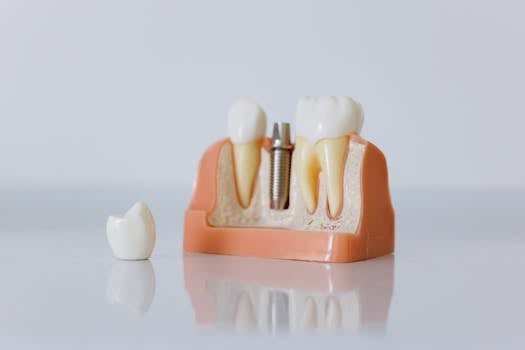
Over denture implants are a type of dental prosthetic supported by implants embedded in the jawbone. These implants provide a stable foundation for the dentures, preventing common issues associated with traditional dentures, such as slipping and discomfort. By attaching dentures to implants, patients experience greater stability and improved oral function.
The process of obtaining over denture implants typically involves the surgical placement of titanium implants into the jaw. After the implants are allowed time to integrate with the bone, dentures are custom-fitted to connect to the implants. This method results in functionality and comfort that closely mimic natural teeth.
The Benefits of Over Denture Implants
There are numerous advantages to choosing over denture implants as a solution for missing teeth:
- Enhanced Stability: Unlike traditional dentures, which can shift and move, over denture implants are securely anchored, allowing for easier eating and speaking.
- Preservation of Bone Structure: Dental implants help in maintaining the jawbone structure by providing the stimulation required to prevent bone loss.
- Improved Comfort and Fit: Custom-fitted to your mouth, these implants offer a comfortable solution that reduces irritation and soreness often caused by poorly fitting dentures.
- Increased Confidence: With the look and feel of natural teeth, patients report enhanced self-esteem and confidence in social situations.
To learn more about different dental implant options and how to choose the best for your needs, visit our article on Types of Dental Implants.
The Process of Getting Over Denture Implants
Before receiving over denture implants, your dentist will perform a thorough examination to assess your oral health and jawbone density. This assessment determines if you are a suitable candidate for implants or if preliminary procedures are needed, such as bone grafting.
Once deemed ready, the next step involves placing the implants. Under local anesthetic, titanium screws are surgically inserted into the jawbone. The healing period, known as osseointegration, allows the bone to fuse with the implants for a strong foundation. This phase can take several weeks to a few months, depending on individual healing.
Considerations and Risks
As with any medical procedure, there are considerations and potential risks when opting for over denture implants. Possible complications include infection at the implant site, nerve damage, or issues with sinus placement for upper jaw implants. However, these occurrences are rare, and the success rate for implant procedures is high.
It is crucial to maintain excellent oral hygiene and attend regular dental check-ups to ensure the longevity of over denture implants. Dental professionals will provide personalized advice and a maintenance plan to keep your implants in optimal condition.
For comprehensive research on dental implant surgery, you can refer to resources available through the Dental Implant Wikipedia page.
Are Over Denture Implants Right for You?
Over denture implants may be an ideal solution if you experience discomfort with traditional dentures or seek a more permanent, stable option for missing teeth. They offer a natural look and feel, enhancing your smile and improving your quality of life. Discussing your options with a dental professional can help you decide if over denture implants align with your needs and lifestyle.
Takeaways
- Over denture implants provide a stable and comfortable alternative to traditional dentures.
- They help preserve jawbone structure and maintain oral health.
- The process involves a surgical procedure and a healing period for optimal results.
- Regular dental check-ups are essential to the longevity of the implants.
- Consult with a dental professional to explore if they are suitable for you.
FAQ
How do over denture implants differ from traditional dentures?
Over denture implants are anchored to implants in the jawbone, providing superior stability and comfort compared to traditional dentures, which rest on the gums without secure attachment.
What is the success rate of over denture implants?
The success rate of over denture implants is generally high, with most patients experiencing successful integration and long-term function if cared for properly.
Are over denture implants permanent?
While over denture implants are a long-term solution, they may require periodic adjustments or replacements as wear occurs. Proper care can extend their lifespan significantly.
Can anyone get over denture implants?
Individuals with sufficient jawbone density and good oral health are typically ideal candidates. A dental examination can confirm suitability and any preparatory steps necessary.
What is the recovery time after implant surgery?
Recovery time can vary, with osseointegration taking several weeks to months. It is important to follow your dentist’s instructions during this period for optimal healing.