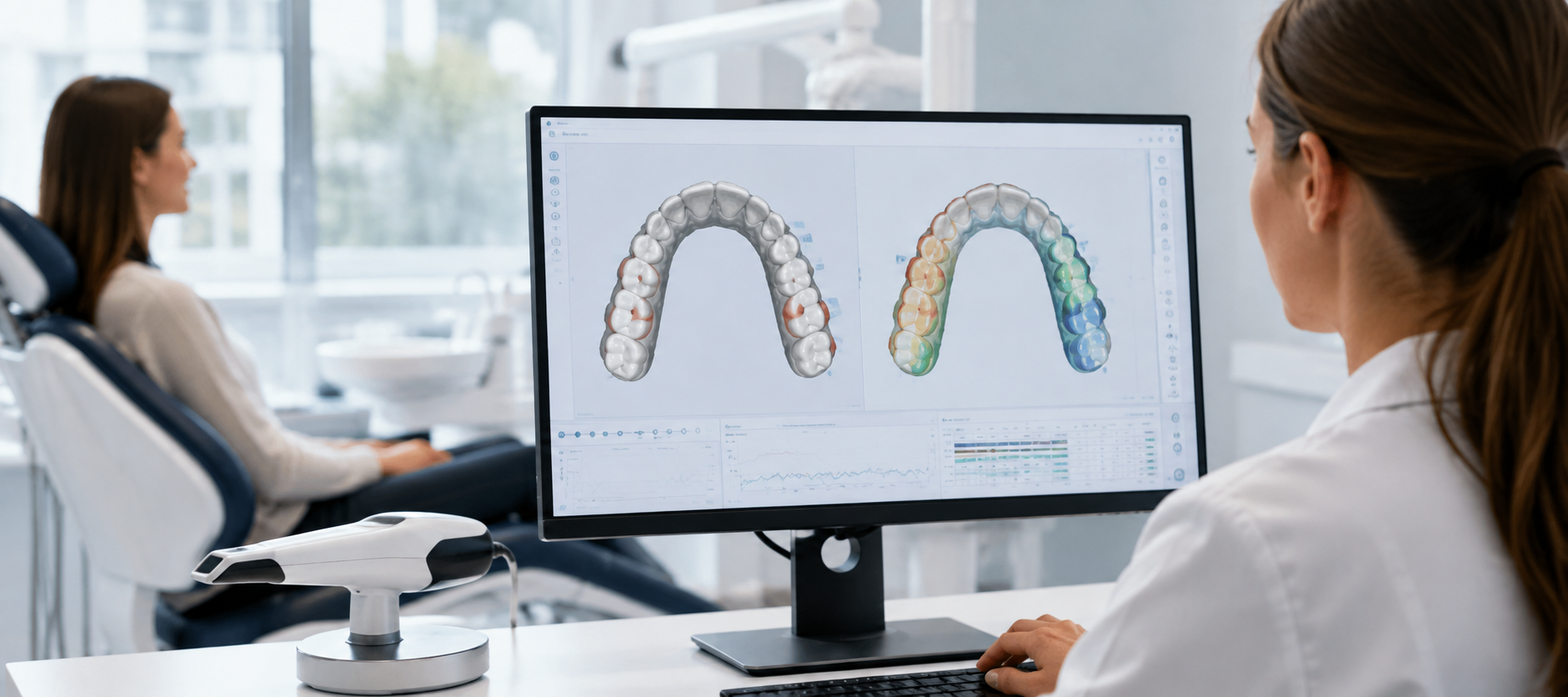
When considering orthodontic treatment, the focus often turns to Invisalign vs braces cost. Understanding the financial implications of each option can be a critical factor in deciding between the two. In this article, we’ll explore the costs, benefits, and potential disadvantages of both Invisalign and traditional braces, so you can make an informed decision that suits your budget and dental needs.
Understanding Invisalign vs Braces Cost
When it comes to comparing Invisalign vs braces cost, it’s essential to consider what you’re paying for. Both options aim to straighten teeth and improve your smile, but they do so in different ways. Understanding the expenses involved can help you decide which treatment is more financially feasible for you.
What Influences the Cost of Invisalign?
Invisalign aligners are custom-made to fit your teeth and gradually straighten them. This technology comes with costs related to manufacturing these personalized aligners. Additionally, the complexity of your dental issue, the number of aligner sets required, and your location can all influence the overall price. Typically, Invisalign treatment costs anywhere from $3,000 to $7,000.
Explore more about dental solutions to boost your confidence.
What Determines the Cost of Braces?
Traditional braces come in various forms, including metal, ceramic, and lingual. The cost can vary depending on the type you choose. Metal braces are often the least expensive, usually costing between $2,000 and $6,000. Ceramic or lingual braces tend to be more costly due to their aesthetic and customization properties, potentially bringing the total up to $8,000 or more.
Insurance Coverage and Payment Plans
Orthodontic treatment can be a significant investment, but insurance plans often cover part of the costs. Most dental insurance policies include coverage for braces, and some may even contribute to Invisalign treatment. Additionally, many orthodontists offer flexible payment plans to ease financial burdens, allowing you to spread out payments over the course of treatment.
Weighing the Benefits
Choosing between Invisalign and braces isn’t solely about cost; it’s also about the benefits each type offers. Invisalign aligners are nearly invisible, removable, and generally considered more comfortable. However, they require diligent compliance to be effective.
Braces, while more visible, can handle complex dental corrections that might not be possible with aligners. They don’t require as much discipline because they’re fixed to your teeth, ensuring treatment stays on track without user intervention.
Potential Drawbacks of Each Option
While both options have their pros, they also come with potential downsides. Invisalign requires you to remove the aligners when eating or drinking anything aside from water, which necessitates thorough cleaning afterwards to maintain oral health.
With braces, you might experience discomfort, especially after adjustments, and there are certain dietary restrictions to prevent damaging the brackets and wires. However, these issues can often be managed through diligent care and regular orthodontic appointments.
Factors That May Affect Invisalign vs Braces Cost
When deciding on orthodontic treatment, consider other financial factors beyond the basic treatment costs. Here are a few elements that might influence your final expense:
- The severity of your dental issues, which can affect the duration and complexity of treatment.
- Your geographic location, as prices vary by region due to differences in living costs and demand.
- The expertise and pricing structure of the orthodontist you choose.
Is One Option More Affordable in the Long Run?
The answer to this question often depends on personal circumstances, including dental needs, lifestyle, and financial capability. While upfront costs are crucial, consider the long-term benefits of each option. Both treatments aim at providing lasting dental alignment, which can contribute to your overall dental health and potentially reduce future dental expenses.
For additional insights on maintaining dental health, you might want to review this external resource.
Final Thoughts on Invisalign vs Braces Cost
Ultimately, the choice between Invisalign and braces should factor in not just the financial aspect, but also personal preferences, lifestyle, and oral health goals. Although the initial prices might differ, both treatments aim to offer significant improvements to your smile and dental health. By understanding the invisalign vs braces cost, you can make a decision that aligns best with your financial situation and health aspirations.
- Invisalign typically costs between $3,000 and $7,000.
- Traditional braces range from $2,000 to $8,000, depending on type.
- Insurance and payment plans can help manage costs.
- Consider all benefits and potential drawbacks of each treatment.
- Your choice should also take into account long-term dental health benefits.
Frequently Asked Questions
How does Invisalign work?
Invisalign uses a series of clear, removable aligners to gradually move your teeth into the desired position. They are custom-made using 3D imaging technology.
Are braces more effective than Invisalign?
Both braces and Invisalign are effective, but the best option depends on individual dental needs. Braces might be preferred for complex cases, while Invisalign offers a discreet alternative for less severe issues.
How long does Invisalign treatment take?
Invisalign treatment typically takes between 12 to 18 months, although this can vary based on individual circumstances and compliance with wearing the aligners as prescribed.
Can adults get braces?
Yes, adults can use braces to correct dental alignment. There are options available that cater to adults who may prefer less visible treatments, like ceramic or lingual braces.
Is it possible to switch from braces to Invisalign?
Switching from braces to Invisalign is possible, but it requires a consultation with an orthodontist to determine if it’s a feasible and beneficial option for your specific situation.