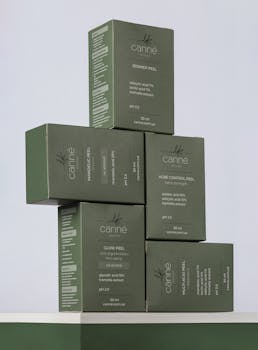
For many, achieving clear, even-toned skin is a top priority. This brings us to a common skincare query: do chemical peels get rid of dark spots? Chemical peels are increasingly popular treatments aiming to improve the skin’s appearance, and they hold particular interest for individuals seeking to diminish hyperpigmentation, such as dark spots.
Do Chemical Peels Get Rid of Dark Spots?
Chemical peels involve applying a chemical solution to the skin, causing it to exfoliate and eventually peel off. The new skin is usually smoother and less pigmented than before. But are these treatments effective for eliminating dark spots?
While chemical peels can significantly lighten dark spots and enhance overall skin tone, results can vary based on several factors. These include the individual’s skin type, the severity of the hyperpigmentation, and the type of peel used.
Types of Chemical Peels
Chemical peels can be broadly categorized into three types:
- Superficial Peels: These mild peels use alpha-hydroxy acids like glycolic acid. They are ideal for treating mild skin discoloration and achieving a refreshed look.
- Medium Peels: Utilizing trichloroacetic acid, these peels penetrate deeper into the skin, targeting age spots, freckles, and moderate pigmentation.
- Deep Peels: These powerful treatments remove damaged skin cells using phenol or strong trichloroacetic acid, often for severe pigmentation.
Effectiveness of Chemical Peels on Dark Spots
The effectiveness of chemical peels in lightening dark spots can be attributed to their capacity to remove layers of skin, revealing a fresh layer underneath. Superficial and medium peels are often recommended for dark spots as they promote cell turnover and can diminish pigmentation. However, deeper peels may be needed for more stubborn spots.
The type of dark spot also plays a role. For example, sunspots, melasma, and post-inflammatory hyperpigmentation may respond differently to treatment. It’s crucial to consult with a dermatologist to select the most suitable peel and strength.
Potential Side Effects and Considerations
While chemical peels can be highly effective, they are not without risks. Possible side effects can include redness, swelling, and, in some cases, scarring. It’s particularly essential for individuals with darker skin tones to proceed with caution, as incorrect use may lead to further pigmentation issues.
Furthermore, results are gradual and may require multiple sessions. Following the treatment protocol and aftercare advice provided by a skincare professional is essential to achieve the best results and minimize risks.
Maintaining Results Post-Peel
After undergoing a chemical peel, protecting your skin from the sun is pivotal. Use broad-spectrum sunscreen daily to prevent the reoccurrence of dark spots and maintain results. Regular hydration and the application of moisturizer can help soothe the skin and enhance recovery.
For an in-depth exploration of the stages involved in this procedure, see our guide on chemical peel stages and what to expect.
Alternative Treatments
While chemical peels can be effective, they are not the only option for treating dark spots. Other potential treatments include topical creams containing hydroquinone, retinoids, or vitamin C. Laser treatments and microneedling are alternatives, albeit usually at a higher cost.
Each treatment has its benefits and limitations, making it crucial to discuss with a healthcare provider which option is most appropriate for your skin type and condition.
Final Thoughts: Do Chemical Peels Get Rid of Dark Spots?
In summary, chemical peels may support the reduction of dark spots, improving overall skin clarity and texture. However, the effectiveness depends on multiple factors including the peel type, the individual’s skin characteristics, and aftercare. Consulting with a dermatologist is crucial to determine if this treatment is right for you and to explore the best course of action for treating hyperpigmentation. For further information on the history and science of chemical peels, consider visiting this comprehensive resource.
- Chemical peels can lighten dark spots by removing outer skin layers.
- Superficial and medium peels are commonly used for pigmentation.
- Risks include redness and, rarely, increased pigmentation.
- Sun protection post-peel is crucial for maintaining results.
- Consult a dermatologist to find the best approach for your skin.
FAQs
What are chemical peels?
Chemical peels are skin-resurfacing treatments that use a chemical solution to remove layers of skin, improving texture and tone.
Can everyone use chemical peels for dark spots?
While many people can benefit, individuals with certain skin types or conditions should consult with a dermatologist to avoid adverse reactions.
How long do results from chemical peels last?
The results vary depending on the type of peel and the individual’s skin, with effects lasting from a few months to a year.
Are there any alternatives to chemical peels for dark spots?
Yes, alternatives include topical treatments, laser therapy, and microneedling, which should be discussed with a healthcare provider.
Is there a recovery period after a chemical peel?
The recovery time can vary. Superficial peels generally have minimal downtime, while deeper peels may require several weeks for full recovery.