When it comes to managing scoliosis, one of the most frequently discussed treatment options is the scoliosis brace. This supportive device is designed to prevent further curvature of the spine in patients diagnosed with scoliosis, particularly during their growth spurts. If you or a loved one has been advised to use a scoliosis brace, understanding its role, effectiveness, and what to expect can provide reassurance and clarity.
The Role of a Scoliosis Brace
A scoliosis brace serves as a non-surgical method to manage the progression of spinal curvature typically found in adolescents. Bracing is most effective when the spine is still growing and aims to halt or slow down the progression of the curve. For many young patients, wearing a brace can prevent the need for surgical intervention later.
There are different types of scoliosis braces, including full-time braces that are worn for the majority of the day and others that are used only at night. The decision on which type of brace to use depends on the severity of the curvature and the specific needs of the patient.
Types of Scoliosis Braces
- Thoracolumbosacral Orthosis (TLSO): This is a common type of brace that fits under the arms and around the rib cage, lower back, and hips. It’s a full-time brace designed for everyday wear.
- Charleston Bending Brace: A night-time brace that holds the body in a curve-bending position. It’s worn while sleeping and can be more comfortable for some patients.
- Milwaukee Brace: An older style of brace that extends from the neck to the pelvis, used less often today due to advancements in brace design.
The Effectiveness of a Scoliosis Brace
The efficacy of a scoliosis brace varies from patient to patient, largely depending on factors such as the degree of the curve at the time of diagnosis, the patient’s stage of growth, and adherence to wearing the brace as prescribed. Studies have shown that braces can significantly slow or stop the progression of spinal curvature when worn as directed. It’s crucial for patients and their families to work closely with their orthopedic specialist to monitor progress.
Adapting to Life with a Brace
Adjusting to life with a scoliosis brace can take time. Physical comfort, social situations, and self-image may be challenges for teenagers wearing the brace. It’s important for patients to receive emotional support, and counseling can be beneficial. Regular follow-ups with healthcare providers ensure the brace fits correctly and adjustments are made as the body changes.
Complementary Therapies
While the primary function of a scoliosis brace is to halt curvature progression, some patients may benefit from additional therapies. Physical therapy can reinforce the strengthening of back muscles, yoga may support flexibility and emotional well-being, and chiropractic care could be employed as a supplementary treatment. Always consult with a healthcare professional before adding any therapies.
For more information about managing health conditions in children, you can view this article on children’s health issues.
What to Expect During Brace Treatment
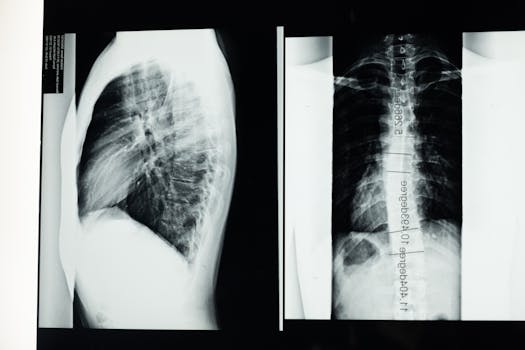
The duration of brace treatment can vary significantly. Typically, it coincides with growth periods, and the treatment might last several years. Regular check-ups and radiographs will be necessary to assess the spine’s response to treatment. Parents and caregivers should encourage compliance with wearing the brace as directed to ensure the best possible outcomes.
Support Systems and Resources
It is crucial for patients to have a support system. Family, friends, and support groups can offer encouragement and understanding. Medical teams can provide guidance and adjustments tailored to individual progress. Online communities and forums also offer a space for sharing experiences and advice.
For a comprehensive overview of health and wellness topics, you may refer to external sources such as this educational article.
Conclusion: The Scoliosis Brace and Your Health
While a scoliosis brace may not “cure” scoliosis, it is an invaluable tool in managing the condition. With adherence to treatment plans and regular monitoring, patients often find that the brace plays a pivotal role in maintaining spine health. Should you have any concerns or questions about scoliosis management, consulting with a healthcare provider is always recommended.
- Scoliosis braces help manage spinal curvature by slowing its progression.
- Effective primarily in adolescents, especially during growth spurts.
- Various types of braces are available, each designed for specific uses and comfort levels.
- Strong support systems enhance treatment success and provide essential emotional backing.
FAQs
How often should a scoliosis brace be worn?
The specifics of wearing a brace depend on the type prescribed. Generally, full-time braces are recommended for 16-23 hours per day, while night-time braces are worn only during sleep.
Can adults wear a scoliosis brace?
While bracing is primarily used for adolescents, some adults might wear braces for pain management or post-surgery support. However, the primary goal of bracing in adults is different from that in children.
Will wearing a brace restrict physical activity?
A brace might impose some physical restrictions but it’s important for wearers to remain active. Specific activities may be adapted or limited based on a physician’s guidance.
How is the success of brace treatment measured?
Success is typically measured by regular x-rays and assessments from healthcare providers, observing whether the curve has been maintained or its progression slowed.
What are common challenges with wearing a scoliosis brace?
Common challenges include discomfort, inconvenience during daily activities, and self-consciousness. Proper fit adjustments and social support can help alleviate these concerns.