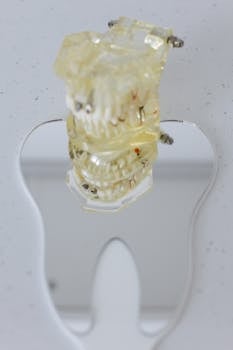
When you discover a cavity, it’s natural to wonder, “Can cavities go away on their own?” While it would be convenient if they did, the reality is that once a cavity forms, it requires attention. Cavities are small holes in teeth resulting from tooth decay, often due to plaque bacteria producing acid that erodes tooth enamel. Let’s explore what options are available for managing cavities and maintaining oral health.
Can Cavities Go Away Without Treatment?
The short answer is no—cavities cannot go away on their own. Once tooth decay progresses to the point of forming a cavity, professional intervention is typically needed. Early stages of tooth decay that have not yet become cavities can sometimes be halted or reversed by improving oral hygiene and fluoride treatments. This is why regular dental check-ups are crucial.
Preventive measures, such as fluoride toothpaste and maintaining a diet low in sugary foods and beverages, can help protect tooth enamel and potentially reverse the very early stages of decay. However, if a cavity has already formed, a dentist will need to fill or treat it to prevent further damage.
Treatment Options for Cavities
There are several effective treatment strategies for addressing cavities, depending on the severity of the decay. Here are the most common options:
- Fluoride Treatments: For early cavities, fluoride treatments can sometimes restore enamel. This is a quick and non-invasive option if caught early.
- Fillings: When decay has advanced beyond the earliest stage, fillings are used to fill and repair the cavity. Materials like composite resins or amalgam are used.
- Crowns: For extensive decay that weakens a tooth, a crown might be necessary to restore function and appearance.
- Root Canals: If the cavity reaches the tooth pulp, a root canal may be required, involving the removal of the infected tissue and sealing the tooth.
- Tooth Extractions: In severe cases where a tooth cannot be saved, extraction might be the only option.
Prevention: The Best Approach
While treatment is vital once a cavity develops, prevention remains the best strategy. By following a robust dental hygiene routine, you can significantly reduce the risk of cavities. Here are some expert-recommended practices to incorporate into your daily routine:
- Brush teeth twice daily with fluoride toothpaste.
- Floss daily to remove plaque between teeth.
- Limit intake of sugary and acidic foods and drinks.
- Visit your dentist regularly for professional cleanings and checkups.
- Consider dental sealants for added protection, especially for children.
By following these guidelines, you can maintain healthy teeth and reduce the likelihood of cavities developing.
Encouraging Oral Health in Children
Good oral health habits should start early in life. Encouraging children to brush and floss regularly can help prevent cavities as they grow. For creative ways to get your child excited about brushing their teeth, visit our article on children’s oral health.
The Role of Diet in Cavity Prevention
Diet plays a significant role in oral health. Foods high in sugar and acid can contribute to tooth decay, while foods rich in calcium and phosphorus can aid in strengthening tooth enamel. Consuming a balanced diet with plenty of water supports overall health and oral hygiene.
Cheese, nuts, leafy greens, and fibrous fruits are all excellent food choices for oral health. Chewing sugar-free gum after meals can also help stimulate saliva production and wash away food particles.
Conclusion: Can Cavities Go Away?
Ultimately, while the early stages of tooth decay might be managed with good dental care and dietary choices, established cavities require professional treatment. Consistent preventive care and regular dental consultations remain critical for maintaining a healthy smile. For more general health information, you can check out this detailed resource.
- Established cavities do not heal on their own and require professional attention.
- Fluoride can help reverse early-stage tooth decay.
- Consistent oral hygiene is vital for preventing cavities.
- Regular dental visits are essential for maintaining oral health.
Can cavities go away naturally?
No, once a cavity forms, it cannot go away naturally. Early decay may be reversed, but cavities require professional treatment.
How can you prevent cavities?
Prevent cavities by brushing and flossing daily, limiting sugary foods, and visiting the dentist regularly.
What are the best foods for dental health?
Foods like cheese, nuts, leafy greens, and fibrous fruits support dental health by providing essential nutrients and stimulating saliva production.
How does fluoride help teeth?
Fluoride helps to restore minerals to tooth enamel, reducing decay and potentially reversing early signs of tooth decay.
What options exist for treating cavities?
Treatments include fluoride applications, fillings, crowns, root canals, and, in severe cases, extractions.