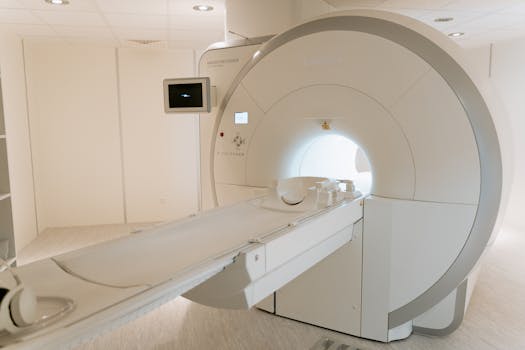
Understanding the essence of pathology is crucial for anyone interested in health and medical sciences. But the question remains: wat is pathologie? Pathology is the study of diseases and their effects on the body. It plays a crucial role in diagnosing health conditions, planning treatment methods, and researching diseases. Whether discussing cancer, autoimmune diseases, or infections, pathology provides essential insights into how diseases develop and affect individuals.
Wat Is Pathologie?
The term “pathology” stems from the Greek word “pathos,” meaning suffering or disease. By studying pathology, medical professionals aim to understand the causes and effects of various diseases. This scientific field bridges the gap between clinical practice and laboratory research, helping us make informed decisions about patient care.
Branches of Pathology
Pathology is not a singular discipline but a collection of various branches. The two primary types include anatomical pathology and clinical pathology.
- Anatomical Pathology: This branch focuses on examining physical changes in tissues and organs. It includes histopathology, cytopathology, and forensic pathology.
- Clinical Pathology: Here, the focus is on analyzing bodily fluids like blood and urine. It combines laboratory sciences, such as microbiology and hematology, with medical diagnostics.
Role of a Pathologist
Pathologists are medical doctors specializing in diagnosing diseases by studying bodily specimens. Their work often informs the treatment plan for various conditions. From identifying cancerous cells to detecting infections, pathologists are key players in the healthcare team.
Pathology and Disease Diagnosis
Pathology provides an essential foundation for diagnosing diseases. By examining tissues, fluids, and organs, pathologists can identify abnormalities and pinpoint specific diseases. This process ensures that patients receive accurate diagnoses, enabling effective treatment.
In recent years, innovations in immunotherapy and other techniques have further highlighted the importance of pathology in modern medicine.
Technologies Enhancing Pathological Studies
Technological advances have revolutionized how pathologists conduct research and clinical practices. Digital pathology uses computer-based technology to improve accuracy and efficiency. With high-resolution imaging and data analysis tools, pathologists can provide more precise diagnoses, leading to better patient outcomes.
Impact on Public Health
Understanding the significance of pathology in public health is vital. Pathologists often contribute to epidemiology by analyzing disease patterns within populations, thus helping public health experts develop preventive measures and health policies.
Common Misconceptions About Pathology
One misunderstanding about pathology is that it is solely an autopsy practice. While forensic pathology is crucial for investigations, most pathologists work in labs, diagnosing living patients. Their work in analyzing biopsies and other medical tests is crucial for ongoing patient care.
Another common misconception is the belief that pathology provides immediate cures. Though pathology supports diagnosis and treatment planning, it does not automatically result in a cure but offers a deeper understanding of various health issues.
Education and Training for Pathologists
Becoming a pathologist involves extensive education and training. After completing medical school, aspiring pathologists undergo residency and often pursue fellowships in specialized fields like dermatopathology or neuropathology. Their rigorous training ensures a deep understanding of diseases and diagnostic techniques.
Global Impact of Pathological Studies
Pathology has a broad global impact. It helps healthcare systems worldwide improve patient outcomes through disease prevention, diagnosis, and treatment. Sharing international research and findings is instrumental in tackling global health challenges like pandemics and non-communicable diseases.
The Future of Pathology
As medical research advances, pathology will undoubtedly continue to evolve. Emerging technologies such as artificial intelligence and precision medicine promise to enhance diagnostic accuracy and individualized treatment plans. Continuous learning and adaptation are essential for pathologists to stay at the forefront of medical science.
For more comprehensive information, an excellent resource is this Health article on Wikipedia which provides a broad perspective on how health and pathology interconnect.
In summary, wat is pathologie impacts virtually every facet of healthcare, allowing for precision in diagnosis and a deeper understanding of disease mechanisms.
- Pathology is essential in diagnosing and understanding diseases.
- Anatomical and clinical pathology are two primary branches.
- Technological advancements enhance diagnostic accuracy.
- Pathologists contribute significantly to public health.
- Misconceptions about pathology are common but easy to address with knowledge.
FAQs
What are the main branches of pathology?
The main branches of pathology are anatomical pathology, which studies structural changes in tissues and organs, and clinical pathology, which focuses on laboratory analysis of bodily fluids.
How does technology impact pathology?
Technology enhances pathology through digital imaging and advanced analysis tools, leading to more accurate and efficient diagnostic processes.
What role do pathologists play in healthcare?
Pathologists are essential in diagnosing diseases and contributing to treatment planning, directly affecting patient care outcomes.
Do pathologists only perform autopsies?
No, while forensic pathologists may conduct autopsies, most pathologists work with living patients, analyzing biopsies and clinical tests.
Why is pathology crucial for public health?
Pathology helps identify disease patterns and supports the development of preventive measures and health policies, contributing significantly to public health initiatives.