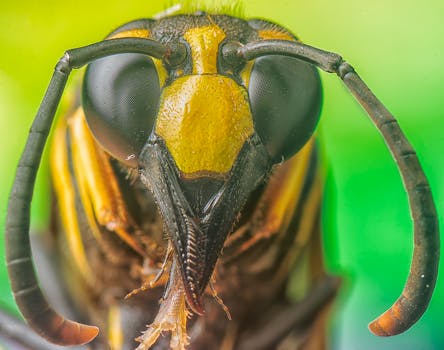
Curiosity about the behaviors of wasps often leads to the question, “Do wasps die after stinging?” Unlike honeybees, which die after delivering a sting due to their barbed stingers, wasps can sting multiple times without being similarly doomed. Understanding the differences in behavior and biology between these insects can shed light on why wasps deploy their stinging defense mechanism and how it affects their lifecycle.
Do Wasps Die After Stinging?
To answer the question upfront: wasps do not die after stinging. Unlike honeybees, whose stingers become lodged in their victim’s skin, leading to their demise, wasps possess smooth stingers. This anatomical difference allows wasps to withdraw and reuse their stingers, defending themselves or their colony as needed.
Wasps are not inherently aggressive but will sting when they feel threatened. Their ability to sting more than once without fatal consequences makes them particularly effective defenders of their nests. This attribute is a point of interest for both entomologists and those concerned about encounters with these insects.
Understanding the Wasp’s Stinger
The stinger of a wasp is a fascinating piece of biological engineering. Unlike the barbed stinger of a bee, the wasp’s is smooth, facilitating easy retraction from the target. This design allows wasps to sting multiple times in rapid succession, a useful trait when deterring threats.
When a wasp stings, it injects venom into its target. This venom can cause pain, swelling, and redness at the site of the sting. For some people, however, an allergic reaction can trigger more severe symptoms, requiring medical attention. It’s important to note that prevention and awareness are key when dealing with wasps.
Why Wasps Sting
Wasps resort to stinging as a defense mechanism, mainly to protect their nest and themselves from perceived threats. Wasps are social creatures, often found in colonies where protecting the queen and larvae is paramount. Disturbance near their nests can provoke aggressive stinging behavior.
Interestingly, not all wasp species are aggressive. Some are relatively docile and will only sting when directly provoked. Recognizing the difference between aggressive and non-aggressive behavior can help in avoiding unnecessary confrontation.
Differences Between Wasps and Bees
Understanding the differences between wasps and bees can aid in identifying these insects and their behaviors. While bees are typically more docile and die after a defensive sting, wasps are more aggressive and can sting multiple times without dying.
Moreover, wasps can be easily distinguished by their slender, elongated bodies and vibrant patterns. Bees, in contrast, have robust, fuzzy bodies that help them collect pollen. The ecological roles of these insects are important, and both contribute significantly to natural pest control and pollination.
Preventing Wasp Stings
There are several precautions you can take to minimize the risk of getting stung by a wasp. Keeping food and sugary drinks covered when outdoors can prevent attracting wasps. Maintaining distance from wasp nests and wearing neutral-colored clothing can also help reduce encounters, as bright colors and strong scents can attract them.
If you find a wasp nest near your home, it’s advisable to contact a pest control professional to safely remove it. Avoid trying to handle wasps or their nests on your own, as this can provoke aggressive behavior.
In conclusion, understanding wasp behavior and biology helps us appreciate these insects and take steps to safely coexist with them. While they do not die after stinging, their role in ecosystems should not be overlooked. If you’re interested in reducing your environmental impact further, you might find it beneficial to explore how vegetarian diets contribute to lower mortality rates.
More detailed information about insect behavior and venom can be found in this Wikipedia article.
- Wasps do not die after stinging, unlike honeybees.
- They have smooth stingers allowing repeated use.
- Wasps sting as a defense mechanism.
- Precautions can minimize the likelihood of being stung.
- Understanding wasp behavior is key to coexisting peacefully.
How do wasps differ from bees in terms of stinging?
Wasps have smooth stingers that allow them to sting multiple times, while bees have barbed stingers and die after stinging once.
Why don’t wasps die after they sting you?
Wasps don’t die after stinging because their smooth stingers can be easily withdrawn, unlike the barbed stingers of bees.
Is it possible to prevent wasp stings?
Yes, by avoiding wearing bright colors, keeping food covered outdoors, and staying away from nests, you can reduce the risk of being stung.
What should someone do if they are stung by a wasp?
Clean the affected area with soap and water, apply a cold pack to reduce swelling, and consult a healthcare provider if severe symptoms occur.
Can wasp venom cause allergies?
Yes, some individuals may experience allergic reactions to wasp venom, which can lead to symptoms requiring immediate medical attention.